Words: Nathan Chadwick
Photos: Manufacturers
Fancy big fun in a small package? Three cylinder engines have had a renaissance in sporty cars, with both Ford and Toyota working to the power of three over the last few years. However, here are some classic three-cylinder options that are available for less than £25,000.
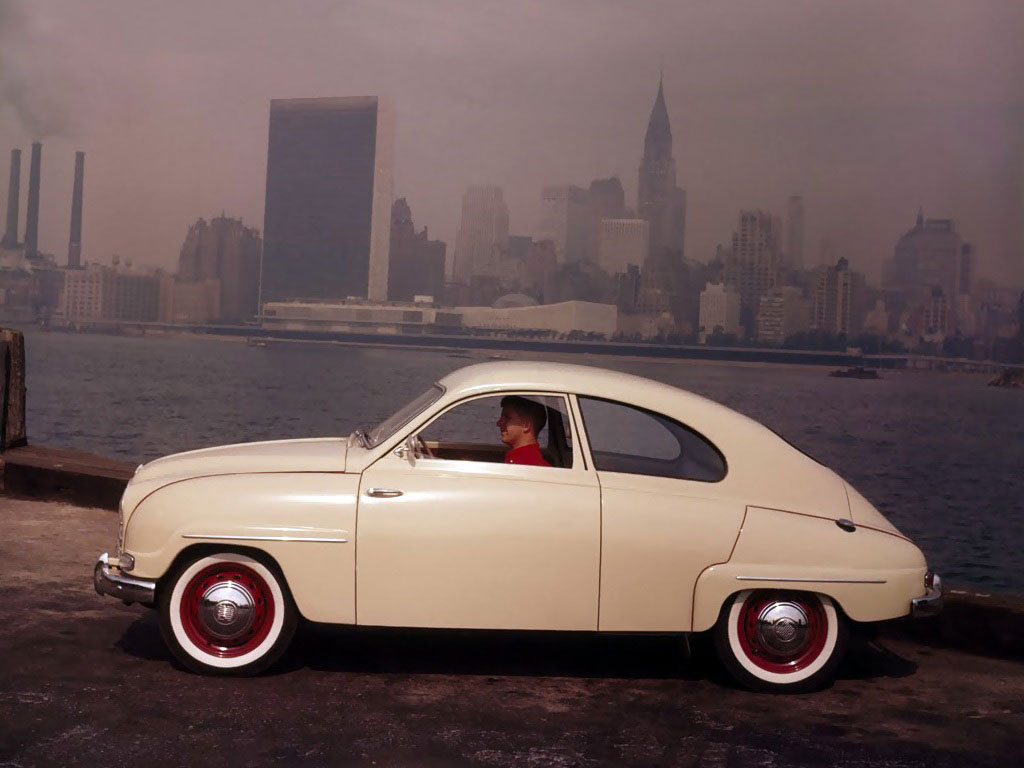
1. Saab 93 (1955–60)
Saab’s first three-cylinder road car packs a 748cc two-stroke with a freewheel and column-shift four-speed. About 33–38bhp sounds modest, yet the 93’s aircraft-bred aerodynamics and light shell make it eager. Front-wheel drive traction, a stiff monocoque and rally pedigree give real pace on tight roads. Drum brakes and skinny tyres keep you honest. It feels hand-built, seats four and hums with that distinctive three-pot warble. Charming, unusual and still usable.
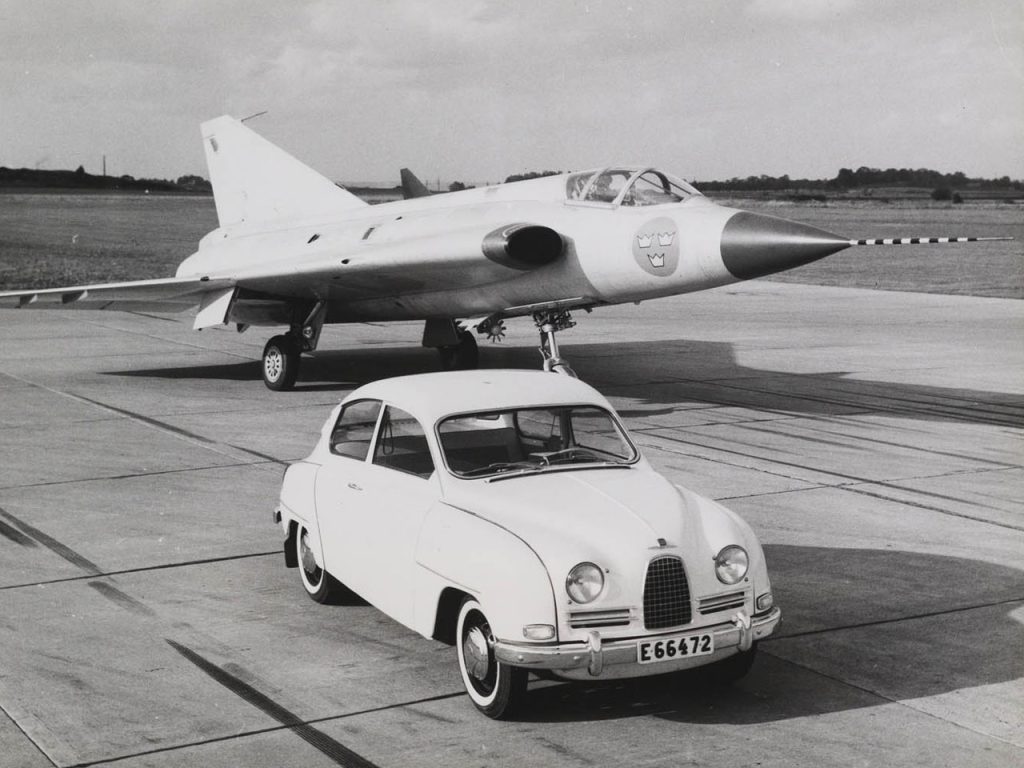
2. Saab 96 two-stroke (1960-1968)
The 96 carried Saab to rally glory before the V4 era. Its 841cc three-cylinder two-stroke makes between 38bhp and 46bhp, breathing through triple carbs on sportier trims. Front-drive grip, long-travel suspension and tidy steering deliver surprising cross-country speed. A freewheel aids lubrication and smooth coasting. Stout bodyshells resist rot better than most period rivals if maintained. Spares support is decent, tuning parts exist and the noise is addictive. A cult classic that still works as a weekend car.
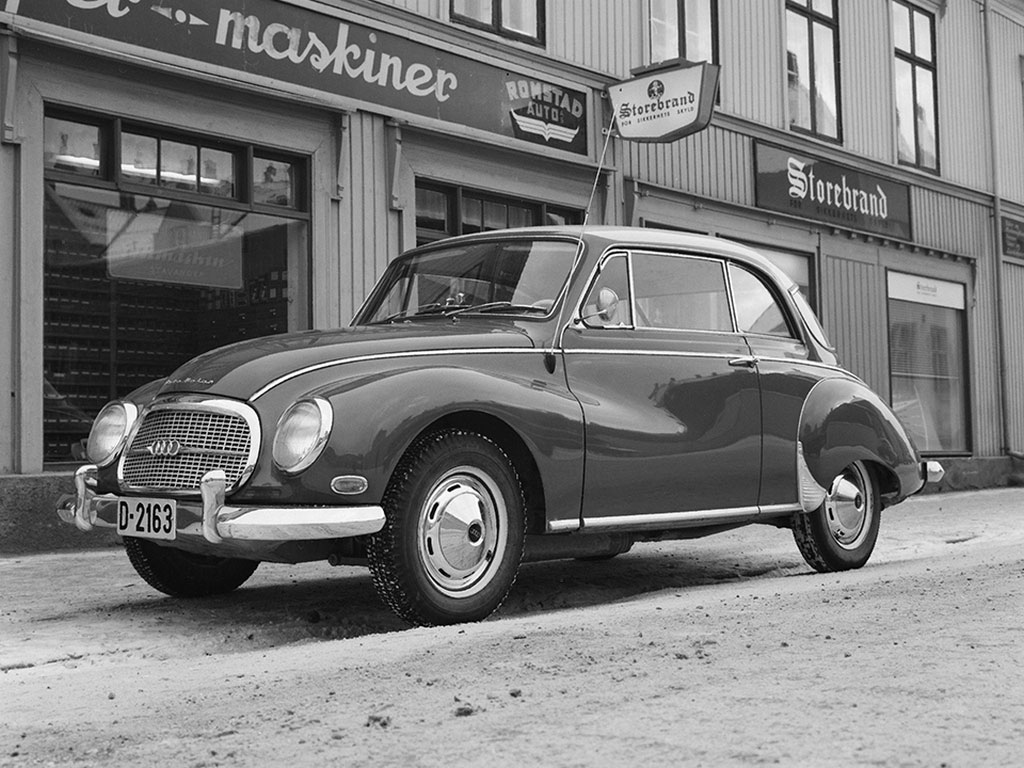
3. Auto Union 1000S Coupé (1958-1963)
Under the pretty two-door sits a 981cc three-cylinder two-stroke with between 44bhp and 55bhp. It is simple, light and torquey off idle, and it. Sounds good. Front-engine, front-drive layout means its easy to slip into classic mode from more modern cars, and the column shift is slick once mastered. The best bit has to be the cabin, which is pure late-1950s elegance. Quirky lubrication needs aside, these are robust and easy to keep. A left-field alternative to small British and Italian coupes of the era.
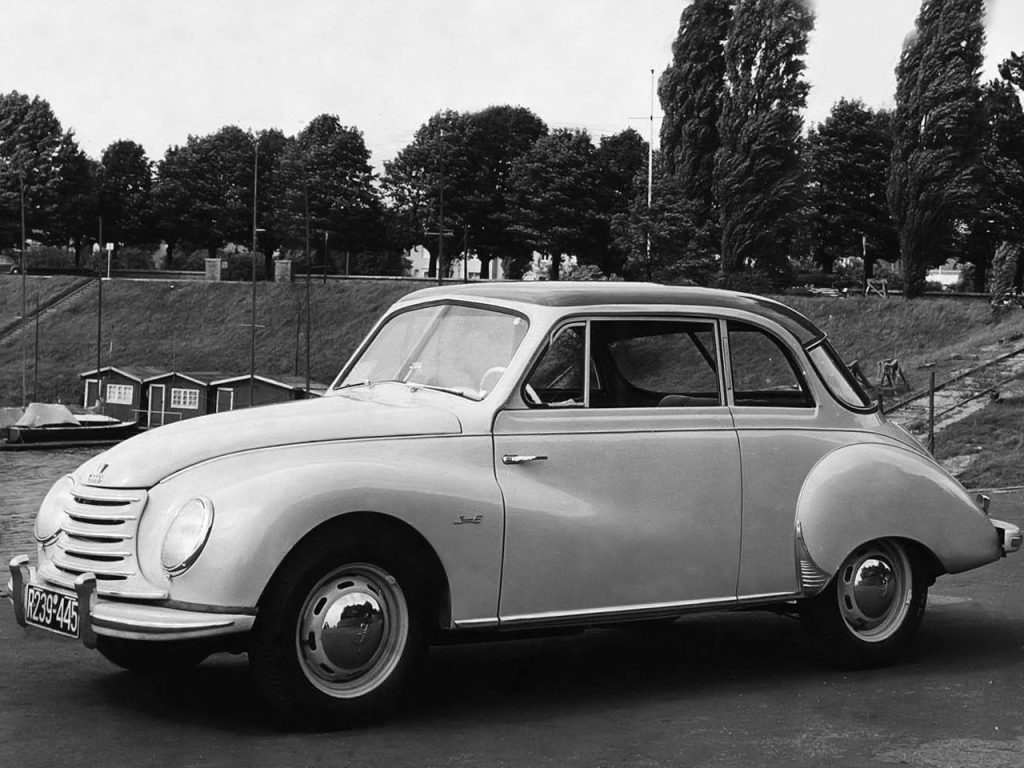
4. DKW 3=6 (F93/F94) (1955-1961)
DKW’s slogan said three equals six because the 896–980cc three-cylinder two-stroke felt like a small six at low revs. Output sits near 38bhp to 50bhp, enough for breezy B-road pace thanks to light as a feather construction. Saloon, coupe and cabrio shells exist, all with simple mechanicals and good parts interchange across DKW and Auto Union lines. Distinctive sound, instant throttle response and honest engineering make it very easy to like. Finding one in the UK might be your biggest issue.
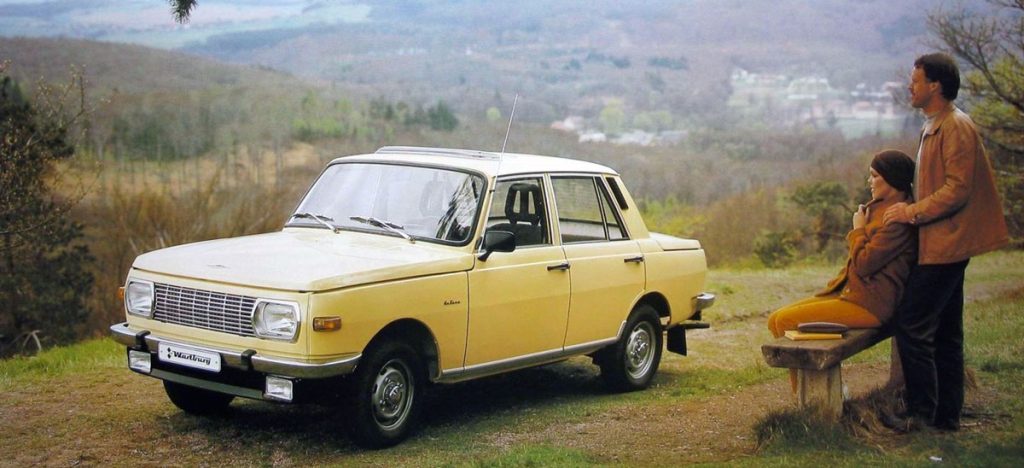
5. Wartburg 353 (1966-1988)
A 992cc three-cylinder two-stroke gives about 50bhp to 8bhp and bags of tractable torque. It is no grand tourer, yet the 353’s low weight, soft springing and direct steering make rough roads fun. Column-shift four-speed, disc fronts on later cars and roomy cabins add real-world usefulness. The oily two-stroke charm and simple maintenance appeal to tinkerers. Spares are inexpensive through Eastern-bloc specialists. A characterful and rugged classic that stands out at any meet – and with the supple suspension it’s probably going to be quicker across the average pothole infested B-road than a 911 GT3 these days.
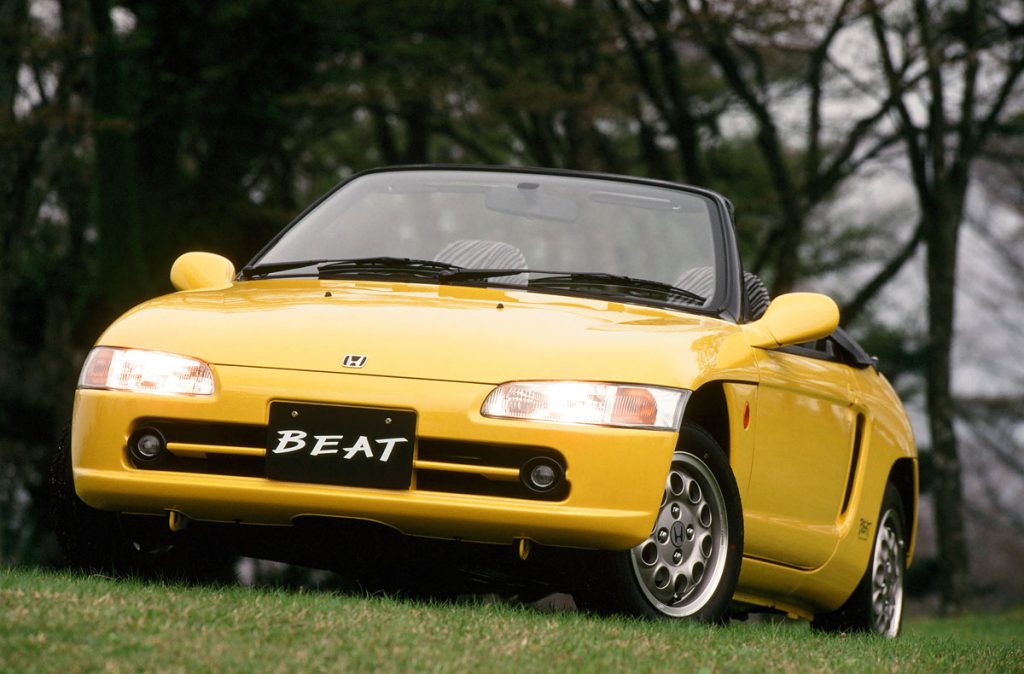
Honda Beat (1991-1996)
It would be remiss not to mention the boom in kei cars in the 80s and 1990s. This is one such mid-engined Kei roadster with a 656cc three-cylinder that revs to 8500rpm in age-old Honda fashion and makes around 60bhp without forced induction, unlike most Kei sportscars. Five-speed manual, rear-drive and double wishbones all round give crisp balance you can play with at sensible speeds – bo power steering, no frills, just feedback. Roof down, 760kg and that intake howl behind your ears feels special. Strong Honda build and an active UK scene keep them viable. It might be a a tiny sports car but it delivers enormous grins.
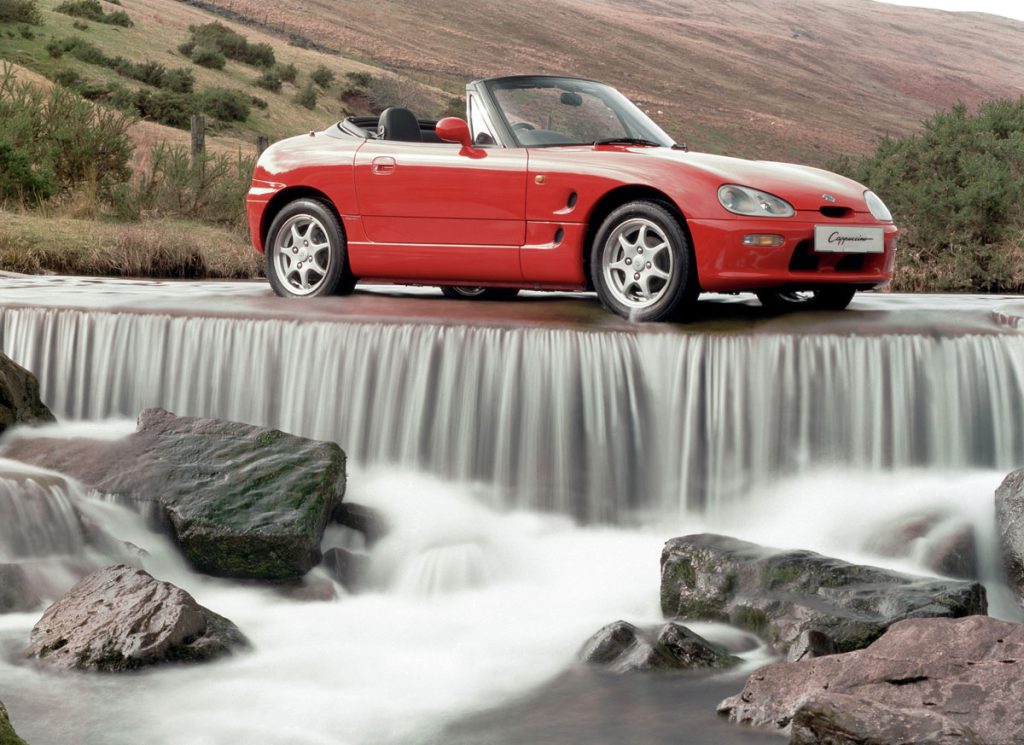
Suzuki Cappuccino (1991–98)
Front-mid engine, rear-drive and a 657cc turbo three-cylinder with around 60bhp give real sparkle. Aluminium panels, a targa-to-cabrio roof and a sub-800kg kerb weight mean keen responses and quick direction changes, and the presence of a five-speed manual and a limited-slip diff on many cars add bite. The cabin fits tall drivers better than you expect and the heater is mighty, so year-round use is doable – though check that the underneath isn’t a miserable tale of rusty woe. Cheap to run, simple to service and huge fun on back roads.
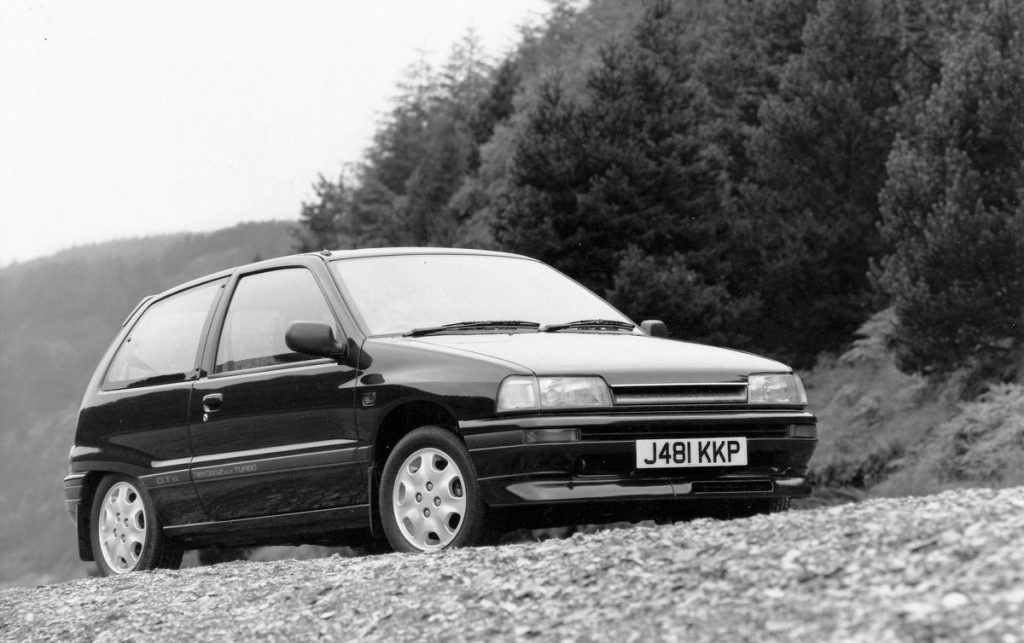
Daihatsu Charade GTti (1987-1991)
The pocket rocket of the list. A 993cc three-cylinder DOHC 12-valve with a tiny turbo makes about 101bhp in a shell under 850kg. That gives period-hot-hatch pace, a fizzy top end and a hilarious boost whoosh. Five-speed manual, short gearing and a tidy chassis keep it lively without harshness. Brakes are up to it and the seating position is spot on for long runs. Rare now, yet parts support survives and tuning options abound. The best bit? Despite forced induction it sounds like a junior Alfa 147 GTA that twice the cylinders.
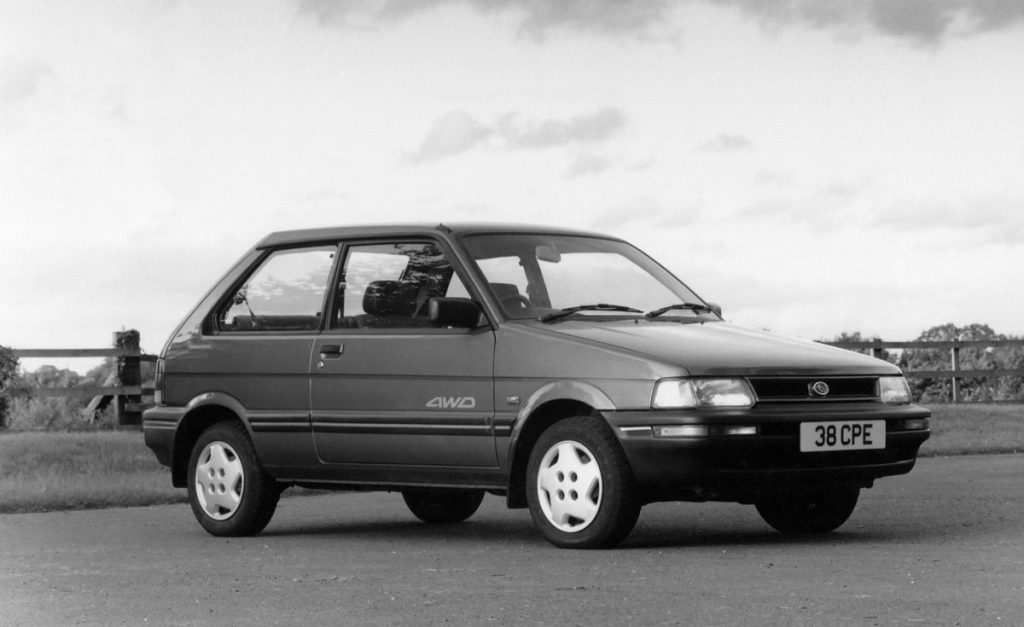
Subaru Justy 1.2 GX/Pro-Rally look (1989-1995)
A tough 1189cc three-cylinder and optional on-demand four-wheel drive give grip in all weather. Power is modest at about 73bhp, but the Justy’s low weight and short gearing make it nippy in town and game on a wet B-road. Simple MacPherson struts and a willing manual box keep it engaging and rally-styled specials and period accessories add charm. Durable, cheap to keep and refreshingly honest, the Justy is practical dailyable classic with a playful side.
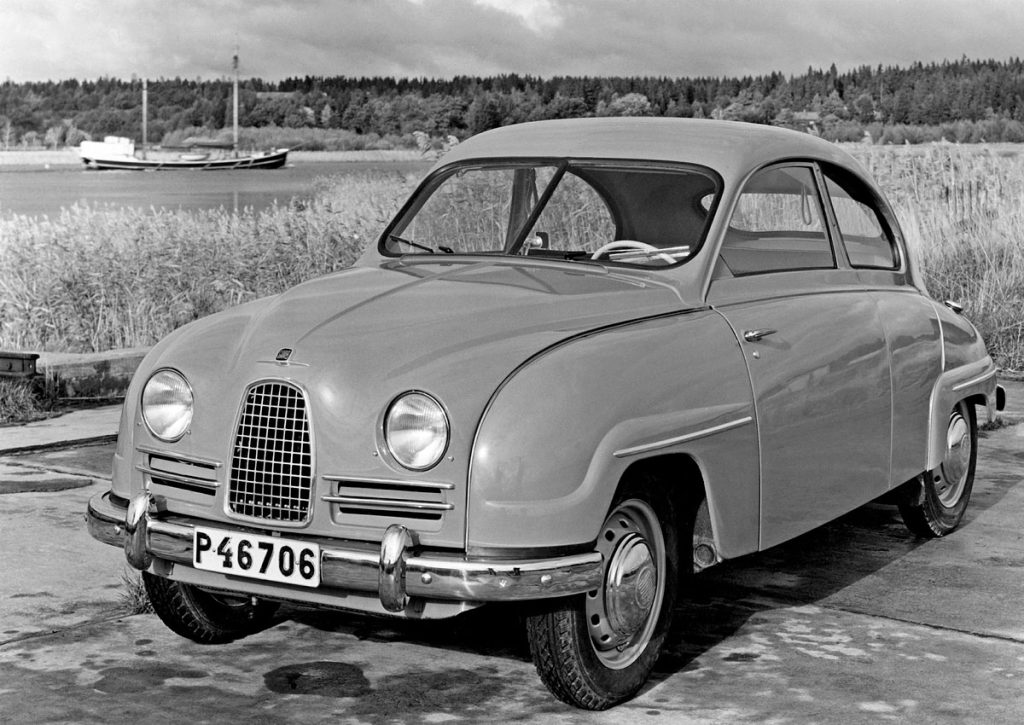
Saab 96 Sport/Monte Carlo two-stroke (1962–66)
For a spicier Saab, the Sport and Monte Carlo pack triple carbs on the 841cc to 848cc three-cylinder with between 52bhp and 60bhp. Freewheel transmission, front-drive traction and competition-proven chassis tweaks make them rapid across broken tarmac. Recaro-style seats, extra gauges and woodrim wheels lift the cabin, and the engine sounds glorious on song. Values vary by spec and history, yet tidy examples can slip in under budget for ahistoric rally icon that still feels special today.
Do you own any of these cars and have a story to tell? Have another three-cylinder car that you think should be on the list? Let us know in the comments below.


Newest classic should be what I’ve had two of now, Up! Gti, best compact hatch going just wish you could turn traction control off from the factory…. Yup can be mapped to a button though if you know a good tuner….