Words: Nathan Chadwick
Photography: Volvo
The 850 T5 gave Volvo grit – the C70 made it sexy
The Volvo C70 has a story that defies its unassuming Swedish badge, and it deserves to be told with the same affection you might give to a classic Alfa Spider or a Jaguar XK8. It isn’t the most obvious poster child for classic status, but in its way it stands as one of Volvo’s most intriguing and innovative mainstream cars of the late 20th century offering a unique blend of practicality, engineering ingenuity and everyday usability.

The C70 first emerged in 1997, a coupe and convertible born out of Volvo’s long lineage of open‑top cars going back to the earliest ÖV4 and specialist coachbuilt convertibles of the twentieth century. It was Volvo’s answer to a growing European market for premium coupes and convertibles, a sector traditionally dominated by German and Italian brands, and emerged from a period when Volvo was experimenting beyond its familiar saloons and estates, testing the waters of lifestyle vehicles while retaining the brand’s core principles. It was intended to attract buyers who wanted something elegant, sporty and comfortable, yet still safe and practical enough to justify a Volvo badge. At launch the C70 immediately stood apart from the Swedish company’s usual image of boxy saloons and estates.
Over 30 months and using a platform derived from the Volvo 850, Britain’s TWR (Tom Walkinshaw Racing) helped co-design the C70’s fundamental layout and fine-tune its suspension alongside Volvo. Production, on a dedicated line in Uddevalla, was initially a joint venture, but disagreements between the two companies nearly disrupted manufacturing.
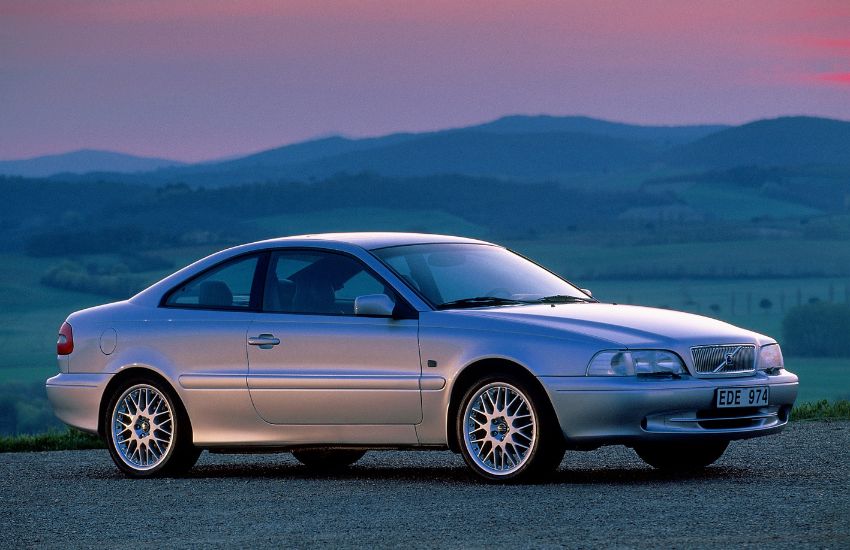
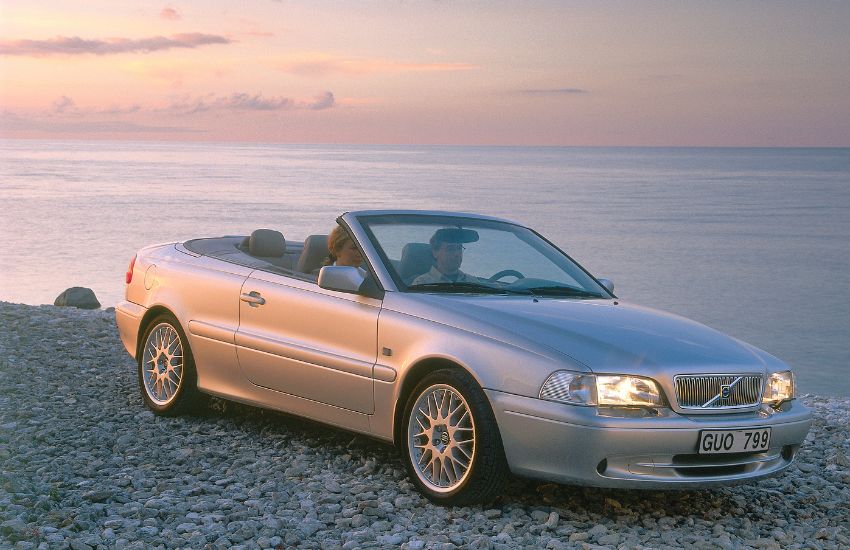
Under the guidance of Peter Horbury and Ian Callum, the design of the first‑generation C70 was understated yet purposeful. Unlike many coupes and convertibles of the period that leaned heavily on flamboyance, the C70 offered clean lines, taut surfaces and a presence that felt confident without shouting. Its coupe shape gave it a sense of cohesion, and while some rivals opted for excessively rounded forms, the C70’s silhouette remained precise, angular enough to convey strength and subtle enough to feel refined.
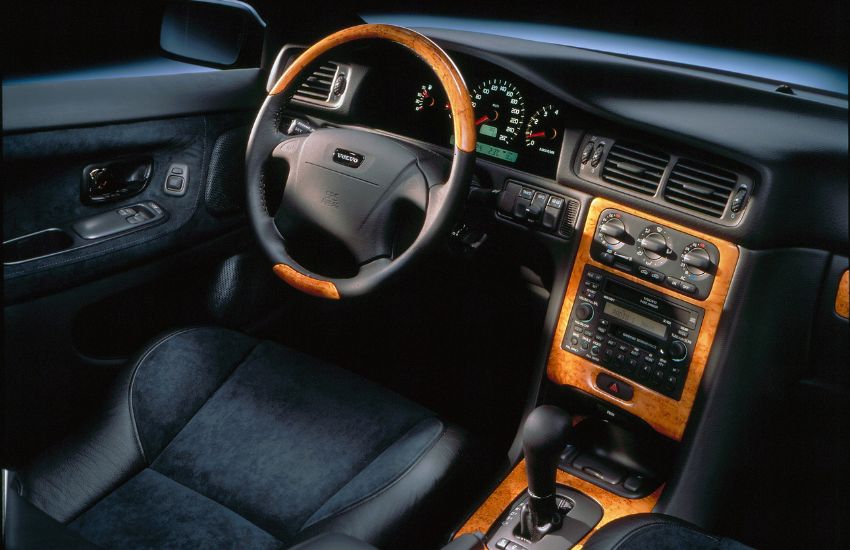
Its interior reflected Volvo’s philosophy of ergonomic simplicity. Controls were laid out logically, seats were supportive and adjustable in multiple directions, and the driver was placed firmly at the centre of the experience without feeling overwhelmed by technology. While it was a coupe in profile, it retained the sort of thoughtful touches that made Volvo famous. High seating comfort, solid build quality and intelligent storage solutions meant that the C70 could function as a daily driver as easily as a weekend cruiser. The attention to detail was particularly noticeable in the fit and finish. Materials were selected for durability as well as style, and the cabin had a quiet, solid quality that reinforced the car’s status as a premium Swedish offering rather than a flashy fashion statement. Safety remained a priority, with the C70 retaining Volvo’s reputation for solid crash performance and thoughtful restraint systems, including side airbags in later years.
The C70 also benefitted from a shift in marketing. The first‑generation Volvo C70 appears in the 1997 Hollywood film The Saint, starring Val Kilmer as Simon Templar. Paramount Pictures and Volvo worked together so that the C70 – still essentially unrevealed to the public – could be featured in the film around the time of its debut at the 1996 Paris Motor Show. It was a deliberate nod to the classic connection between The Saint franchise and Volvo’s earlier sporting icon, the P1800 that Roger Moore drove in the 1960s TV series.
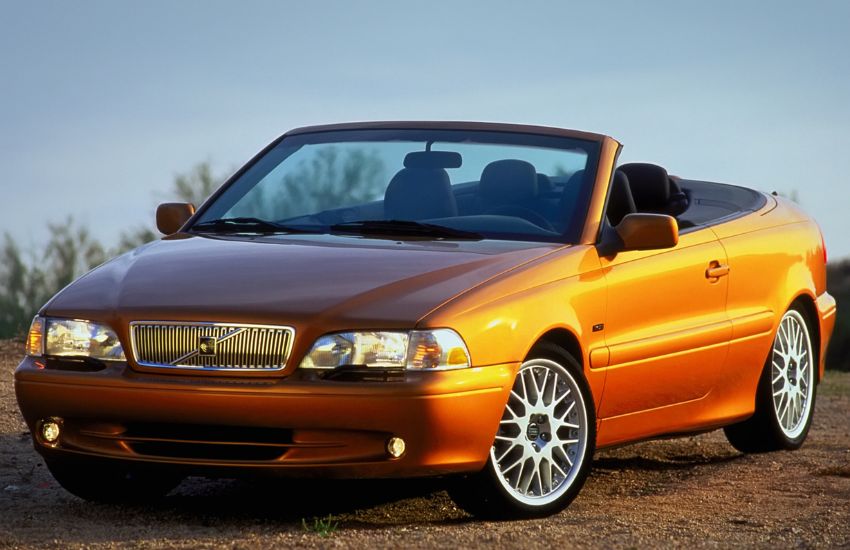
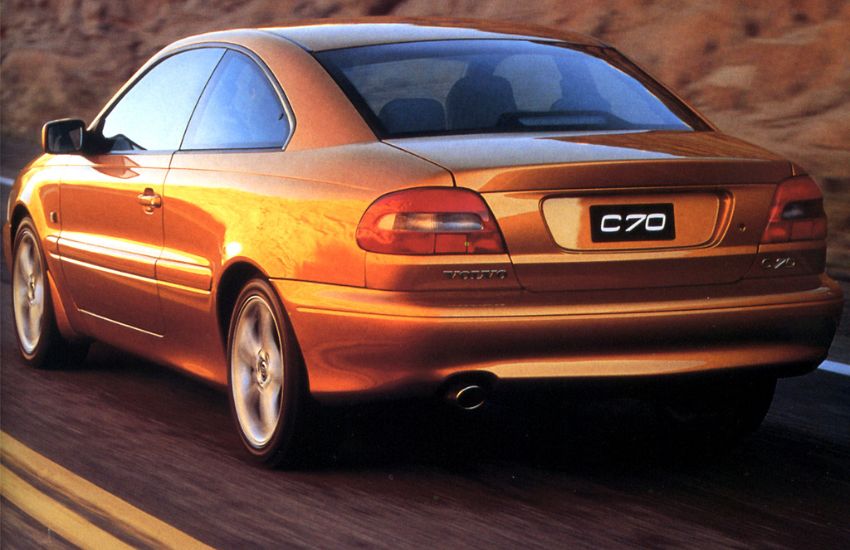
Under the bonnet the C70 offered a variety of engines, but it is the five-cylinder units that enthusiasts remember fondly. The base 2.0- and 2.3-litre engines are smooth and competent, producing 136 to 170 bhp, perfect for relaxed cruising but lacking excitement. The 2.5-litre five-cylinder offers a touch more punch with around 170bhp and 177lb ft of torque, but it is the T5 turbo that transformed the C70 from practical to playful. With 227bhp and 236lb ft of torque, the T5 delivers flexible performance, a satisfying growl and genuine mid-range urgency that makes open-top driving a joy.
Mechanically the first-generation C70 is robust but not invulnerable. The soft top mechanism is a highlight, but it needs attention. Rubber seals degrade, the folding system can seize and repairs are expensive if ignored. Rust is rare compared with contemporaries, but check wheel arches, sills and subframes, especially on early examples. Electrical components such as window regulators and roof motors deserve scrutiny. Timing belts, water pumps and suspension components are service items that must be documented, and the T5 turbo benefits from proof of regular oil changes. Gearboxes should be smooth, with no hesitation or harsh engagement, and brakes should feel firm and progressive. Interiors are resilient but can show wear on seats, trim and soft-top lining, particularly on cars that have spent a lot of time with the roof down. A tidy cabin often indicates careful ownership.
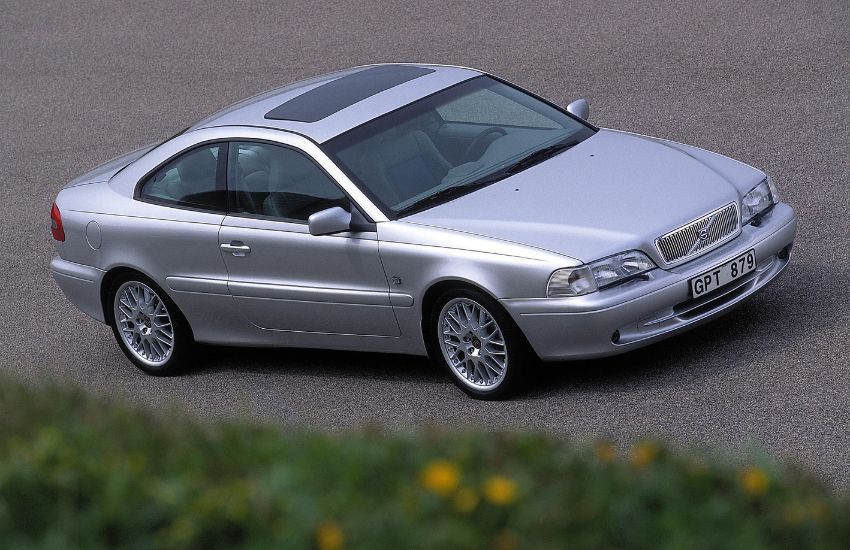
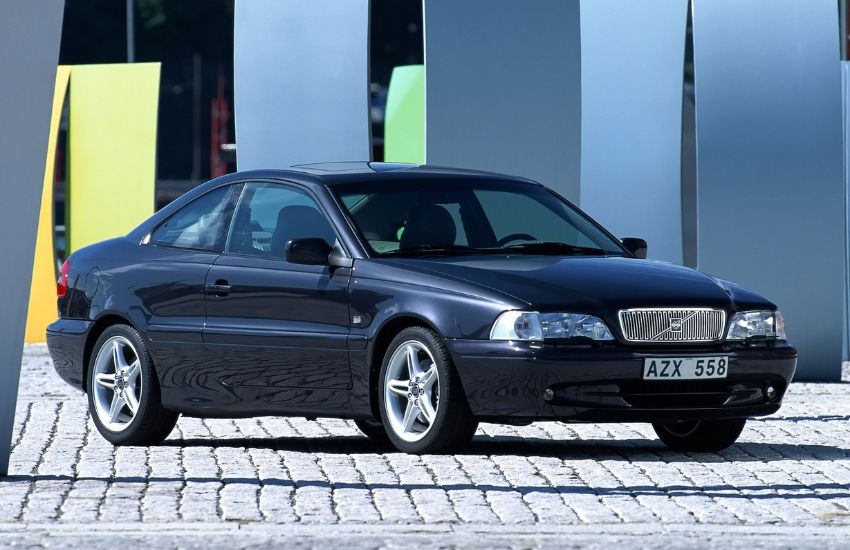
UK values today reflect the C70’s practical appeal and growing classic status. Standard five-cylinder cars with high mileage exchange hands for around £2500 to £5000. Low-mileage examples of the T5, with full service history and a well-maintained roof, can fetch £6000 to £10,000. The very best, clean, documented cars can edge closer to £12,000 or more, especially if they combine desirable trim, leather interiors and recent maintenance. Even at the top end, the C70 remains one of the more affordable ways to get into a classic convertible with genuine style, practicality and a personality all its own.
Driving a first-generation C70 is an exercise in subtlety done right. It does not shout like an Italian roadster or boast the high-tech flash of a German rival, but it rewards those who value comfort, refinement and a quiet confidence. The T5 turbo adds an extra dimension, making the car genuinely engaging on twisty roads while remaining composed at speed. Its combination of Swedish pragmatism, understated design and enjoyable performance makes it a car that feels purposeful and distinctive, even decades on.
Is the C70 one of Volvo’s best models? Share your thoughts with us in the comments below.