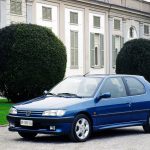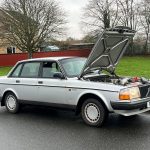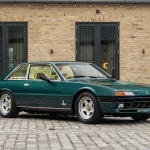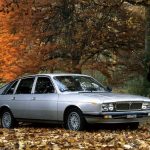
For younger classic car enthusiasts, the prospect of owning and running an older vehicle can feel a bit daunting. Insurance costs, maintenance worries, and practicality are just some of the things that might spring to mind. However classic cars aren’t just for experienced owners. More and more young drivers are turning to classic motors. In fact 35 per cent of Hagerty quotes are for customers aged under 45 in 2025, up from 25 per cent in 2023.
But with so many options on the market, finding the right car can be overwhelming.
So to help first time classic buyers make the right decision, we’ve done some research into some of our most popular classic cars that are insured by young drivers to uncover which will be best for those just starting out.
How we chose the cars
To create this ranking, we started with a seed list of the most common classic cars quoted by ourselves for young drivers aged 21-30, ensuring the focus stayed on models already popular with this age group.
We then looked at and compared the following to determine the best starter classics:
- Value (the average price you’ll pay for a car in good condition based on our own valuation tool)
- Insurance (Hagerty’s average annual premiums for 25 year olds)
- Fuel economy (with an average MPG)
- Road tax (including exemptions)
- Maintenance costs (from tyres to brake pads)
- Social posts (for popularity; ranked by hashtag counts from TikTok and Instagram)
- On-screen appearances (for cultural cool points)
Each car was evaluated across all metrics, with the scores averaged to produce the final overall ranking.
The top classic cars for young drivers
1. Volkswagen Golf (1991)
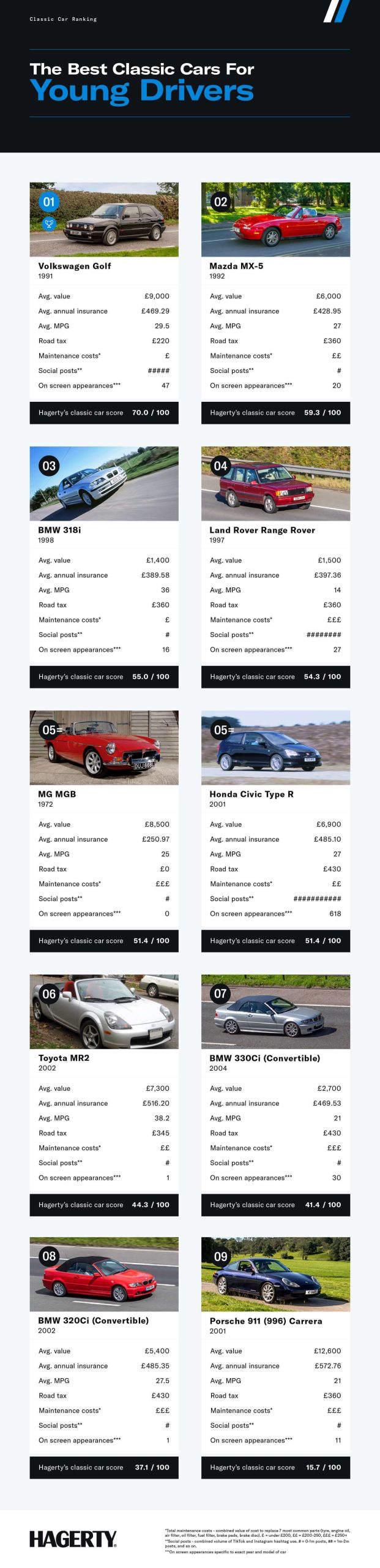
Thanks to a mix of reliability, efficiency and everyday appeal, the 1991 Volkswagen Golf tops the list as the best classic car for young drivers. With an average value of £9,000 and annual insurance costs of £469 it provides a manageable entry point into classic car ownership. Maintenance costs are also among the lowest in the list, with the average cost of a tyre (£49.99) and brake pads (£21.50) staying well within reach for most new owners. Not only that, with 3.5 million Instagram hashtags, and more than 613,000 TikTok posts, the Volkswagen Golf has a strong online and cultural presence, making it appealing to both everyday drivers and young enthusiasts.
2. Mazda MX-5 (1992)
Ranking in second place, the Mazda MX-5 is considered a great modern classic and an excellent entry point into classic cars. With an average value of around £6,000 and average insurance costs of roughly £428 for young drivers, it offers a relatively affordable way into classic sports car ownership. Although high road tax (£360) brings the overall score down, fuel economy is fair at 27 MPG, which is respectable for a car of its type, and running costs are generally affordable too, with essentials like brake pads (£27) and engine oil (£15) reasonably priced.
3. BMW 318i (1998)
Valued at an average of just £1,400 for a car in good condition, the BMW 318i (1998) is the most affordable car to purchase in the ranking and offers young drivers an accessible way of experiencing BMW ownership. Maintenance is reasonably manageable too, with essentials such as tyres (£53.99 each) and oil filters (£11.00) roughly the same as some of the other cars in the list. However high road tax of £360 brings the overall score down, but on the plus side, the BMW benefits from the second cheapest insurance cost in the ranking (£389.58), helping balance out ownership costs.
Find out below where other popular starter classics rank in comparison.
“Many see classic cars as a pastime for an older generation but that just isn’t the case” says Mark Roper, Managing Director, Hagerty UK. “Today a car made in the early millennium can be classed as a genuine classic car, and these vehicles appeal to a much younger audience, providing day-to-day reliability with an air of individuality and style. At Hagerty we welcome all types of enthusiast with our diverse and exciting calendar of events such as the Festival of the Unexceptional, celebrating base model cars often forgotten, and RADwood which is the only event that remembers the automotive excess of the 80s and 90s. I hope people are inspired by this selection of great cars, and join us in owning, enjoying and preserving them for generations to come.”
Getting into classic car ownership as a young driver is easier than you think. That’s why we’ve opened up policies for younger drivers aged 21 and over, who have held a full driving licence for three years or more and who own another everyday vehicle. Eligible drivers can now take out cover on a classic registered before 2010. To find out more, visit here.
Methodology
To create this ranking, we started with a seed list of the most common classic cars quoted by Hagerty for drivers aged 21–30, ensuring the focus was on vehicles already popular with younger enthusiasts. Vehicle valuations came from Hagerty’s internal database, representing the average price of cars in good condition, while insurance costs were drawn from Hagerty’s data for 25-year-old drivers.
Fuel economy figures (minimum, maximum, and average MPG) were sourced from a range of references, and road tax data was collected from Parkers, using the smallest engine size available for each model. Cars over 41 years old were recorded as exempt in line with UK rules.
Cultural popularity was assessed using TikTok and Instagram hashtag counts, as well as film and TV appearances recorded on IMCDB.
Maintenance costs were calculated using parts data from Euro Car Parts and Halfords, matched via registration numbers from Auto Trader listings. These costs covered essentials such as tyres, filters, engine oil, brake pads, and discs, with averages taken where multiple options were available. Specialist suppliers were used where mainstream retailers didn’t list parts (e.g. MR2-Ben for the Toyota MR2, MG Obsession Parts and Autodoc for the MG MGB).
Each metric was normalised to a 0–100 scale, with the highest-performing models receiving the top scores. These were then averaged across categories to determine the overall ranking.