Words: Nathan Chadwick
Photography: Manufacturers
‘Wrong wheel drive’ – we’ve all heard the phrase. Increasingly, we’ve also seen cars judged on their overall worthiness by their ability to flatter a journalist’s ego with physics-defying yaw angles. Yaw angles that are dangerous and often illegal on the road and, as it happens, frequently frowned upon during track days. Obviously, RWD is king for this sort of theatre.
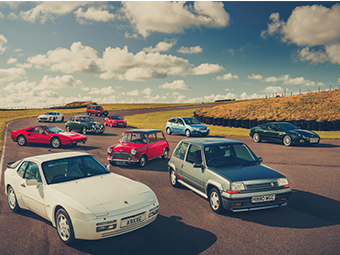
At the same time, there is widespread online lamenting from enthusiasts about the lack of affordable fun cars on the new market. Look back to the 1990s and 2000s and the choice was vast: hot hatchbacks, coupés, convertibles. Fun was fundamental to most ranges, acting as a halo for the rest. Today, that richness has largely disappeared. The question is not simply why fun cars are rarer, but why inexpensive fun has become so difficult to justify.
A large part of the answer lies in economies of scale. Strip back the performance cars of the 1990s and 2000s and the overwhelming majority were front-wheel drive. Yes, there were Japanese RWD sportscars, but these were niche players in the UK market. The cars that mattered commercially were the ones that could be built easily alongside high-volume models, which were overwhelmingly FWD. Sharing platforms, powertrains and production lines allowed manufacturers to offer sporting derivatives without having to justify bespoke engineering programmes. That commonality is what kept fun cars affordable.
Of course, some will argue that being FWD automatically made these cars inferior. That they were the product of bean-counting ahead of engineering. But this view misses both historical context and technical reality, which has been obscured over time by tyre smoke and a ‘dab of oppo’.
Until the 1970s, most cars were RWD, but very few were genuinely sporty. Beyond exotica, chassis and tyre technology simply could not support sustained enthusiastic driving. Push too hard and you would rapidly find the limits of adhesion, usually backwards through a hedge. The idea that RWD automatically equates to dynamic purity is a retrospective fantasy.
FWD gained traction not because it was cheaper, but because it was better suited to modern cars. It allowed more efficient packaging, greater interior space and improved safety in everyday driving. It also delivered tangible mechanical benefits, from reduced drivetrain losses to more precise gearchanges. For the majority of drivers, it simply made more sense.
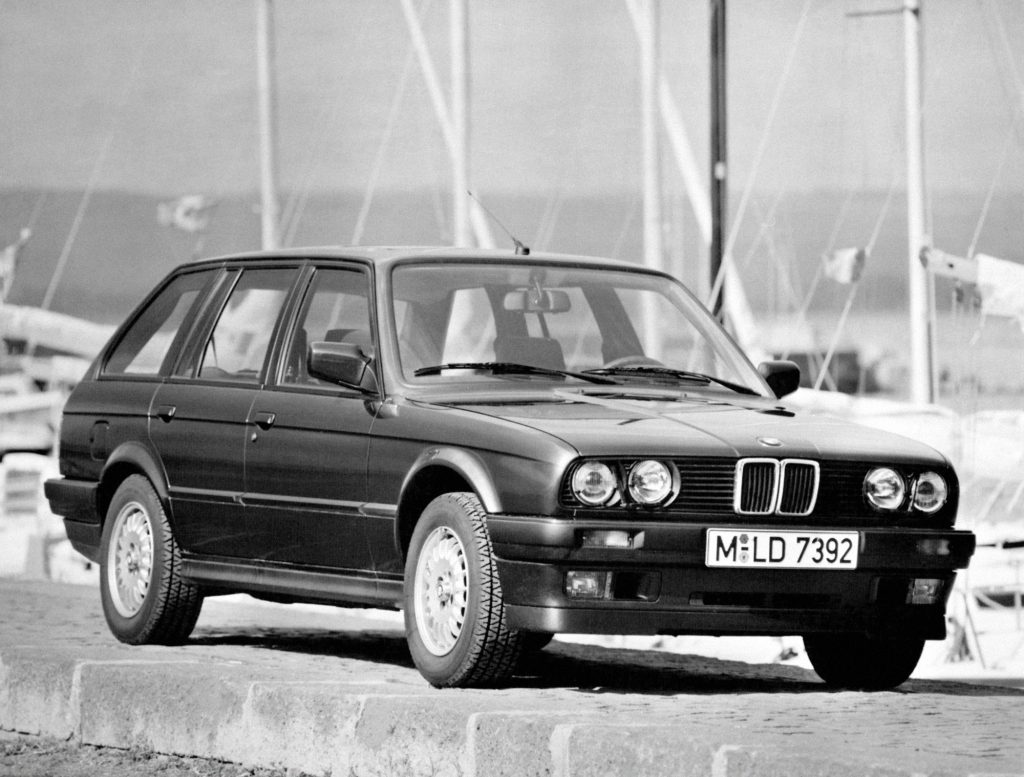
Even the icons are more fragile than memory suggests. The BMW 3 Series E30 is revered today, yet aside from the M3 it was deeply compromised. An antiquated rear suspension, slow steering and rear-wheel drive combined to make it infamous for sudden breakaway, particularly in 325i form. The fact that so many have since been retrofitted with quicker Z3 ‘purple tag’ steering racks speaks volumes. This was not some paragon of balance, but a car whose flaws have been romanticised.
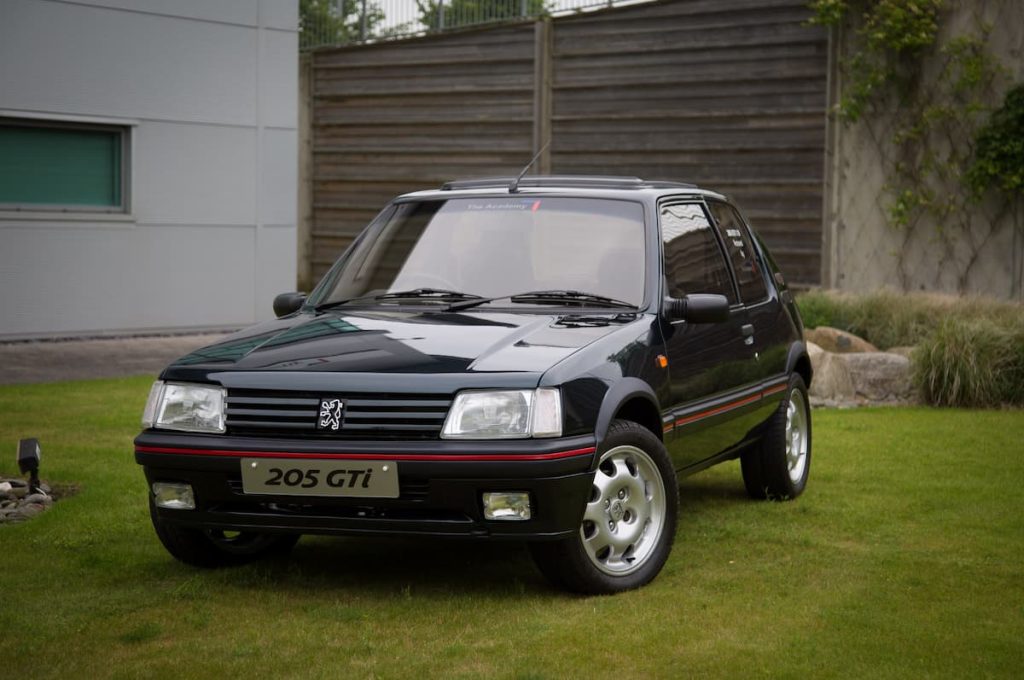
Manufacturers soon understood the importance of performance FWD models. The hot hatch boom of the 1980s demonstrated how effectively FWD could deliver driving enjoyment. Though the genre dated back to the 1970s, its real flowering coincided with the widespread adoption of front-wheel drive. Cars such as the Peugeot 205 GTI, Renault 5 GT Turbo, VW Golf GTI and Fiat Strada Abarth were not just fun despite being FWD; they were fun because of how well the layout was exploited. Would any of these hot hatches be instantly 100 times better with drive to the rear?
The real breakthrough came with the development of passive rear steer. By engineering controlled changes in rear wheel toe under load, manufacturers could give FWD cars genuine adjustability and feel. The concept existed far earlier, but the VW Golf Mk2 helped bring it into the mainstream. It was the French, however, who truly perfected it.
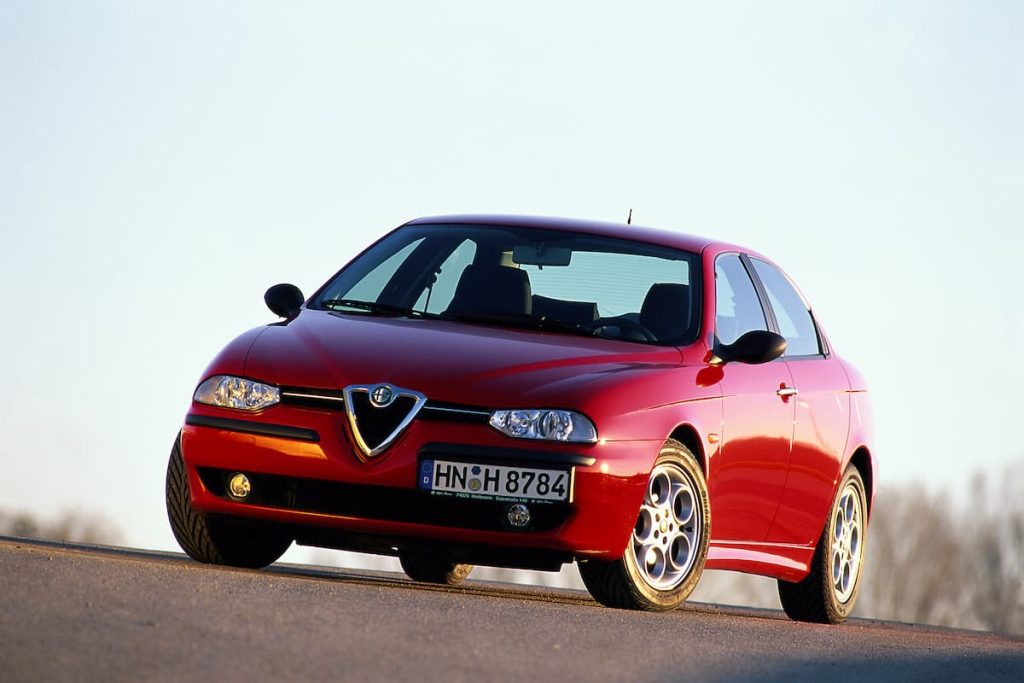
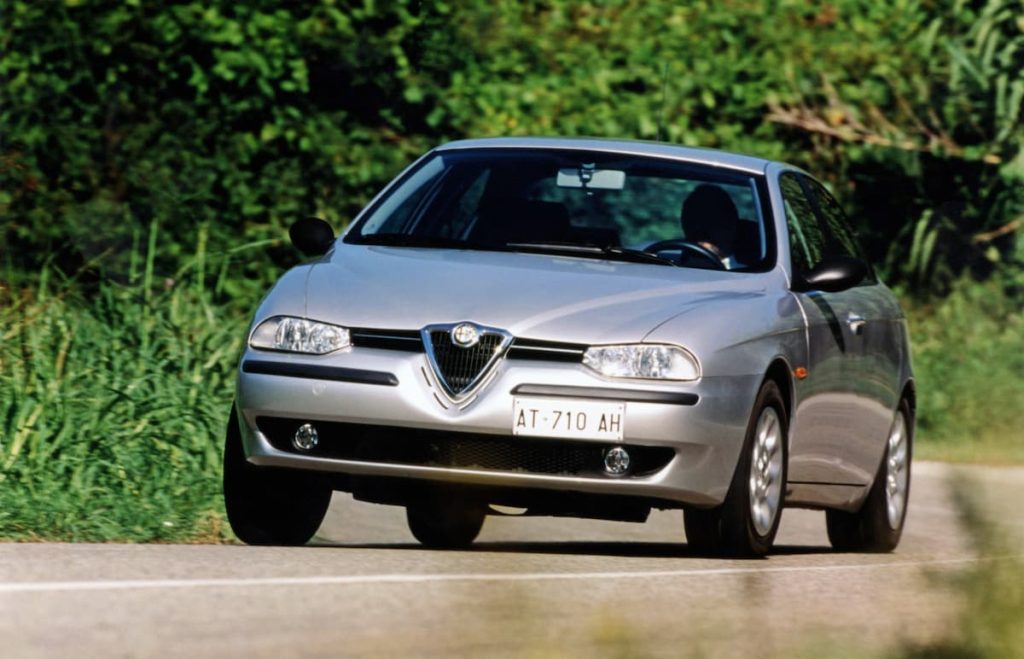
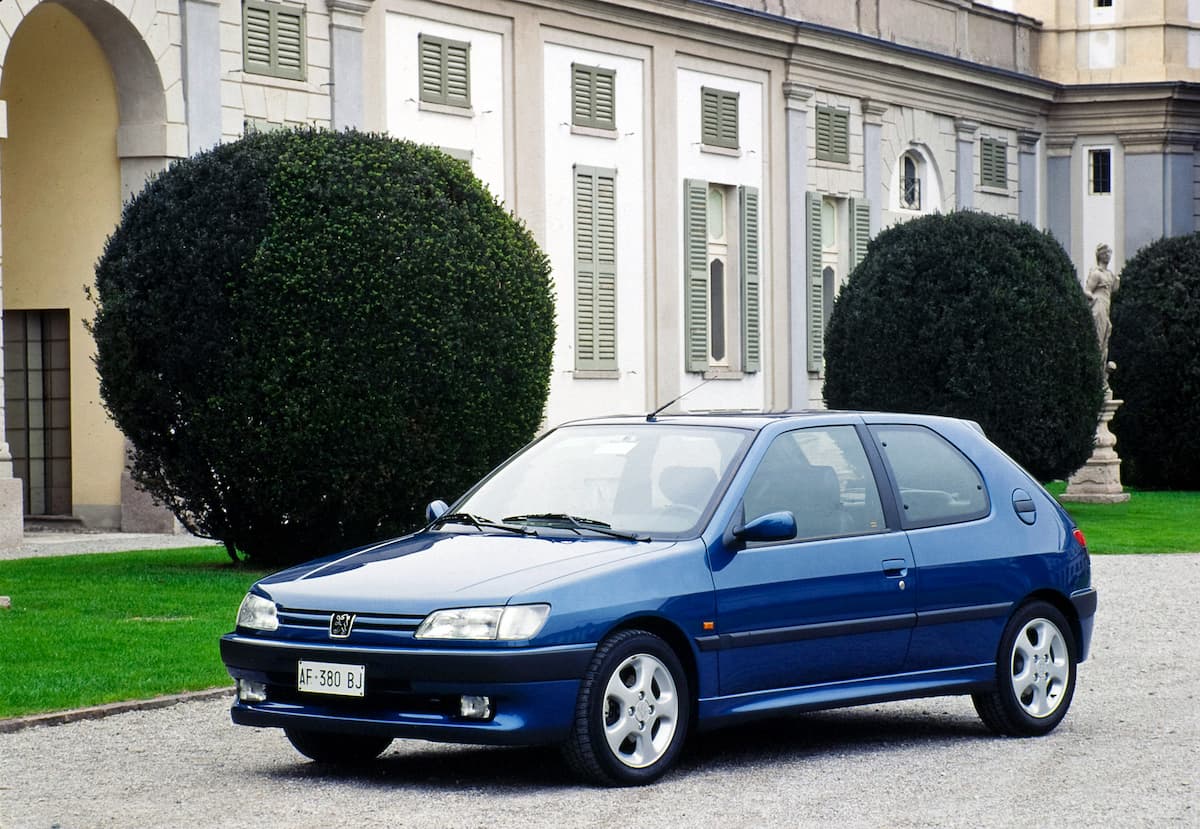
The Peugeot 405 used angled trailing arms and compliant bushes to generate subtle rear toe-in under cornering and braking, delivering remarkable stability. The later 306 went further, allowing toe-out on turn-in followed by stabilising toe-in mid-corner. The result was lift-off adjustability that felt natural rather than dramatic. It became a benchmark, and manufacturers across Europe began adopting similar approaches. Alfa Romeo’s 156 refined the idea so effectively that reviewers noted it barely felt like a front-wheel-drive car at all, and preferred it to the RWD BMW 3-Series of the time, at least in four-cylinder form. That achievement is rarely acknowledged today.
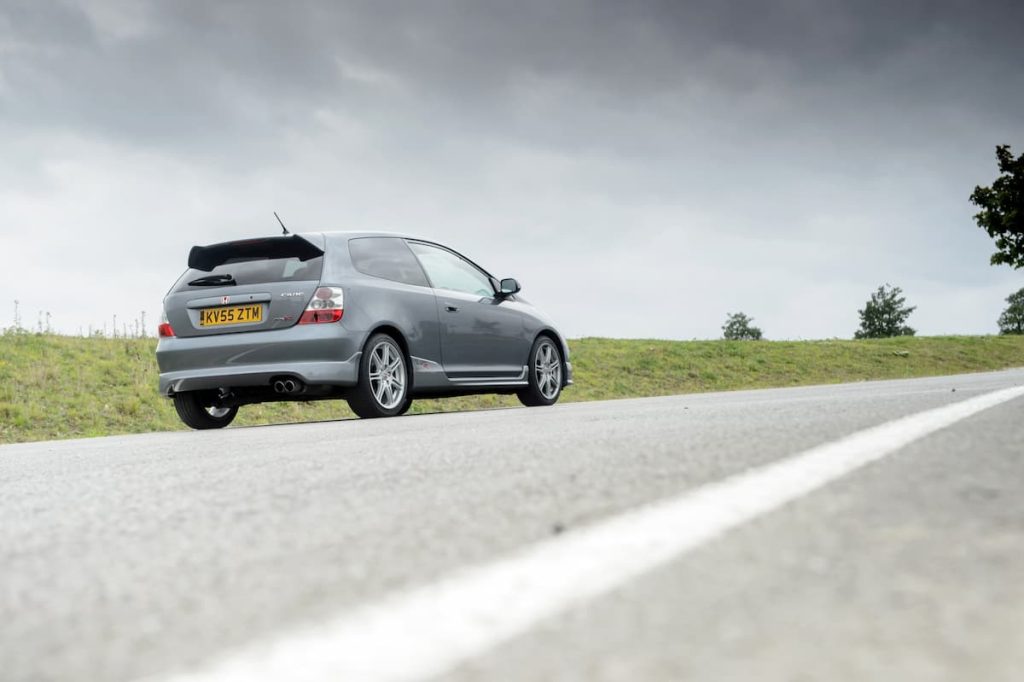
From there followed a golden age of FWD performance cars: Renaultsport Clios, Honda Type Rs and many others. They were engaging, affordable and usable. Many of the loudest journalistic critics of ‘wrong wheel drive’ have loved, praised and even owned these cars. Yet somewhere along the way, the narrative shifted.
Videogame culture bears some responsibility. A nuanced FWD driving experience is difficult to simulate, whereas dramatic oversteer translates easily to a screen.
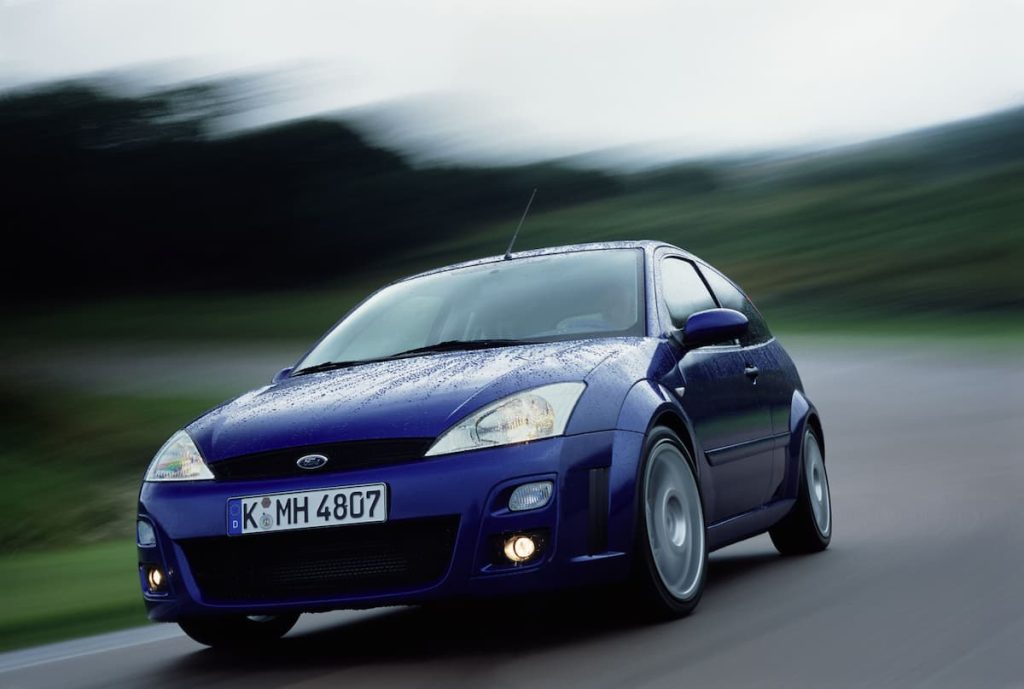
However, a bigger factor could well be the obsession with ever-vertiginous horsepower figures, and it is here where FWD’s limitations became more apparent. Beyond around 220bhp, the costs of containing automotive equines escalates rapidly through complex limited-slip differentials and reinforcement. Ford famously lost money on every Focus RS Mk1 for exactly this reason. Today’s 300bhp hot hatches require torque-vectoring four-wheel drive systems, pushing them out of reach as affordable enthusiast cars.
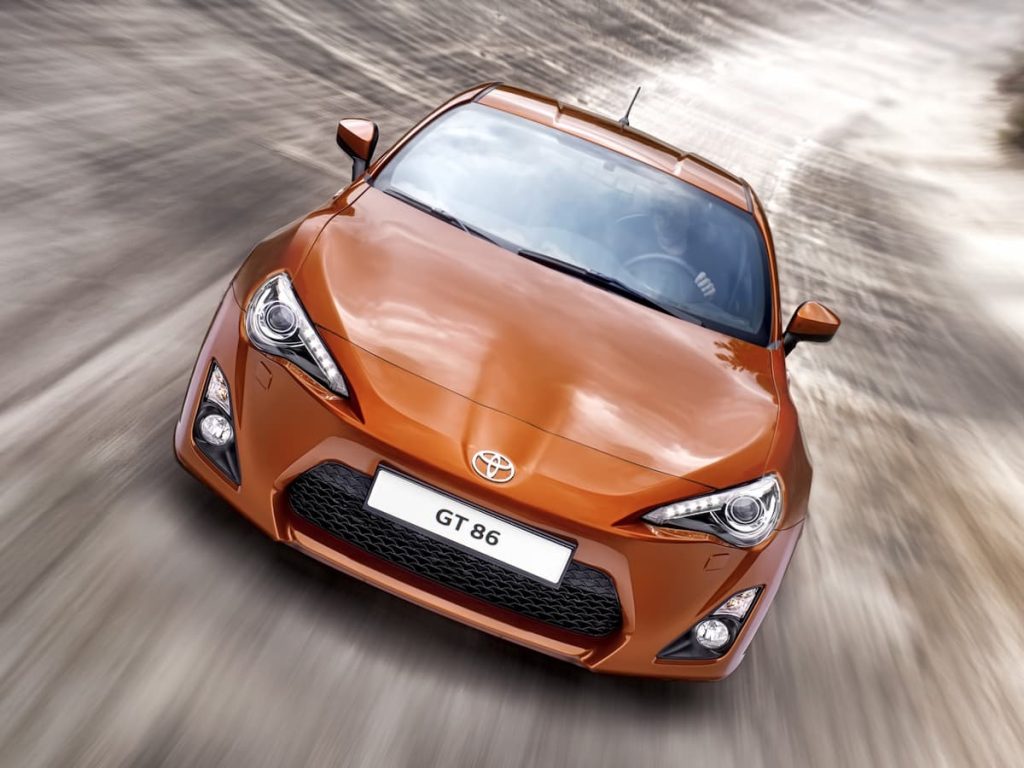
The result is that cheap performance cars have largely vanished. Even when manufacturers take risks with affordable RWD cars, the response is muted. The Toyota GT/GR86 deserves praise simply for existing, but sales trends for coupés continue to decline, whichever end is powered. Enthusiast demand, at least as expressed online, does not reliably translate into showroom numbers.
As platforms become more expensive due to hybridisation and regulation, the room for indulgence shrinks further. I once asked a high-ranking executive about small coupés and spiders, his manufacturer’s historical golden eggs but entirely absent from the current product lineup. The desire was there, he said, but without a suitable platform the business case simply collapsed. And if RWD is now treated as non-negotiable, the figures become even harder to justify.
Perhaps the most uncomfortable conclusion is this: we enthusiasts have helped engineer our own disappointment. Rear-wheel drive persists through ever more complex suspension and electronic intervention, yet remains inefficient for mainstream use. Front-wheel drive remains the rational choice for affordable cars. Performance only stays inexpensive when it grows from inexpensive roots.
If we can relearn that engaging dynamics do not require ‘heroic’ power figures, and that well-engineered FWD can be deeply rewarding on real roads, then inexpensive fun cars might yet return. But that requires valuing substance over spectacle, and engineering over ego. Over to you, internet…
Let us know what you think in the comments below.
Insure your classic with a specialist insurer
If you’re looking for cover for your pride and joy, why not consider Hagerty UK? Not only are we classic car insurance specialists, but we are enthusiasts at heart. Call us for a quote on 0333 323 1138.