Words: Nathan Chadwick
Photography: Renault
The angular 21 celebrates its 40th birthday this year, but will anyone remember?
In the pantheon of 1980s family cars there’s the obvious stuff – Sierra, Cavalier, 405 – and then there’s the Renault 21. Launched in 1986, the R21 was Renault’s strategic bid for the European mid‑size saloon crown. It replaced the ageing Renault 18 with a more modern platform and an unusually broad mission: it had to be roomy, comfortable, economical and – crucially – exportable across Europe. The engineers at Renault took that brief seriously, developing a car with front‑wheel drive and a flexible platform that could accommodate a variety of engines and trims without bizarre compromises.
The R21 was never a halo car, but its development was practical genius. A modular approach meant Renault could offer everything from leisurely 1.7‑litre petrol units to torquey diesels, estates and even turbocharged performance variants on the same underpinnings.
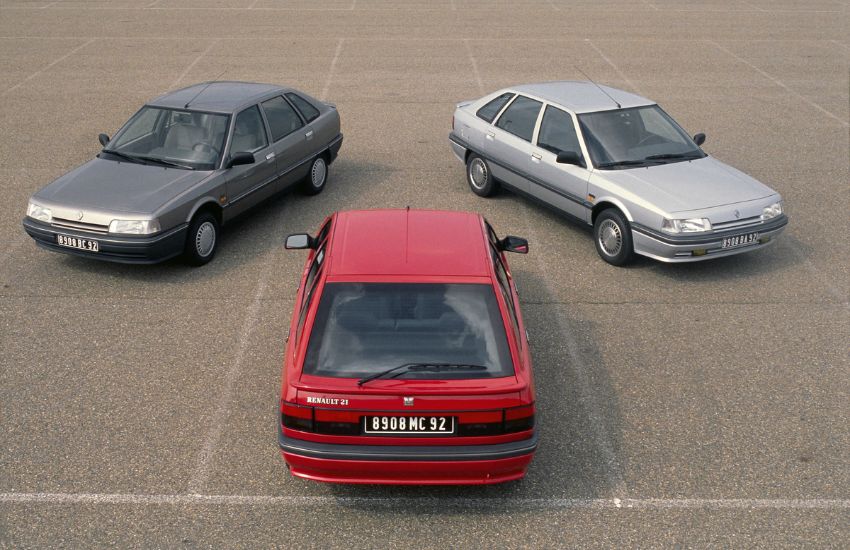
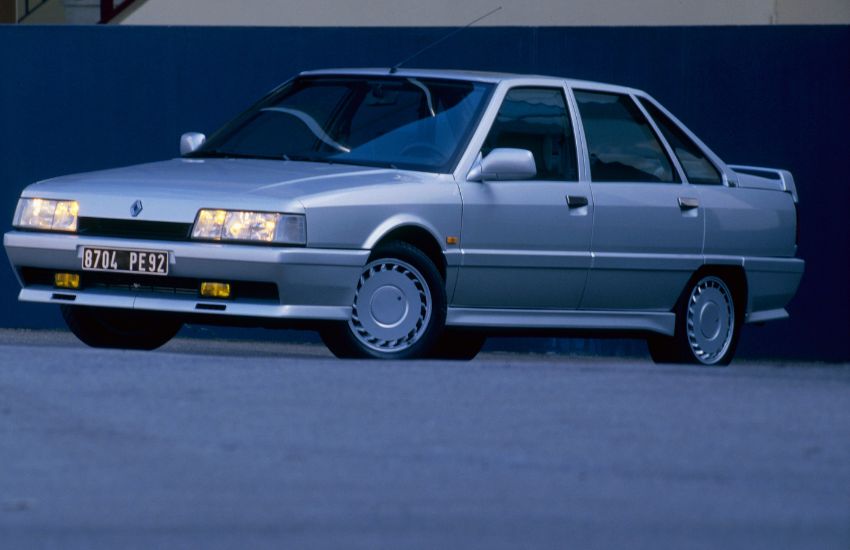
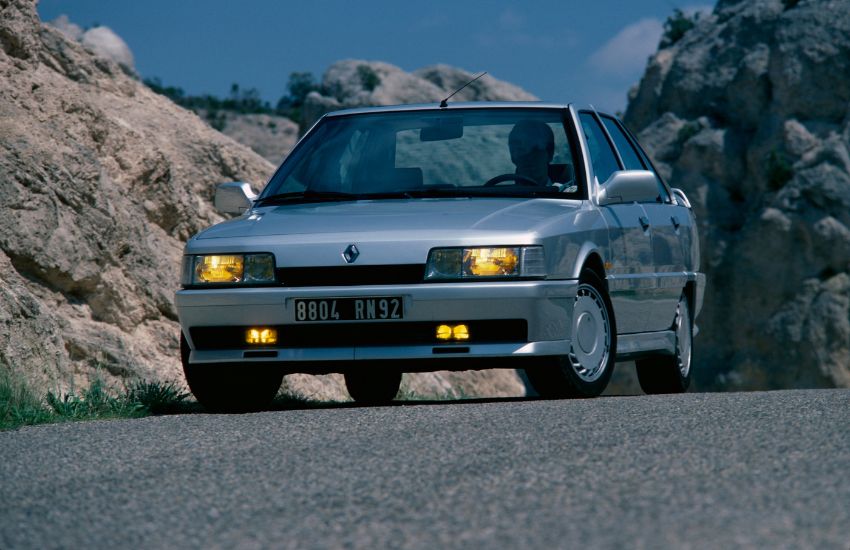
Design wise the R21 reflected its era with crisp, angular lines courtesy of ItalDesign’s Giorgetto Giugiaro that were both modern and practical. It was handsome without being flashy – the sort of family saloon that wouldn’t embarrass you on motorway or high street alike. The later Phase II styling update in 1989 aligned the R21 more closely with contemporary Renault design cues, particularly in the grille and trim.
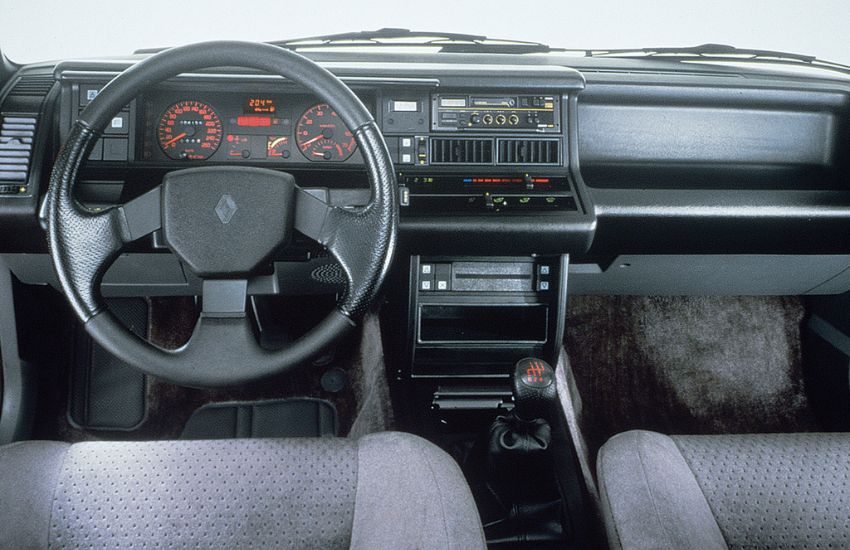
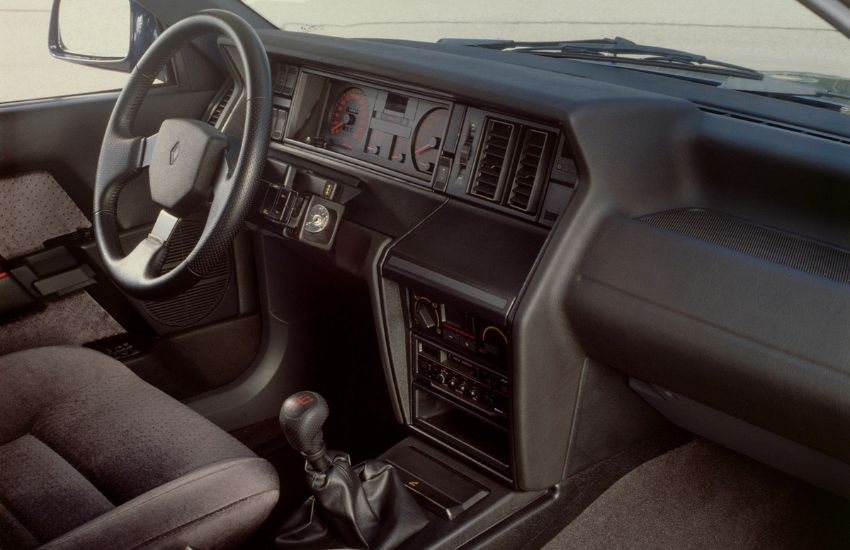
Inside it was roomy, comfortable and quietly civilised for long journeys, with better ergonomics and equipment than many rivals at launch. Renault even dropped in anti‑lock brakes and fuel injection on higher trims when such features weren’t yet universal in the class. It had a real sense of being more than just a basic commuter.
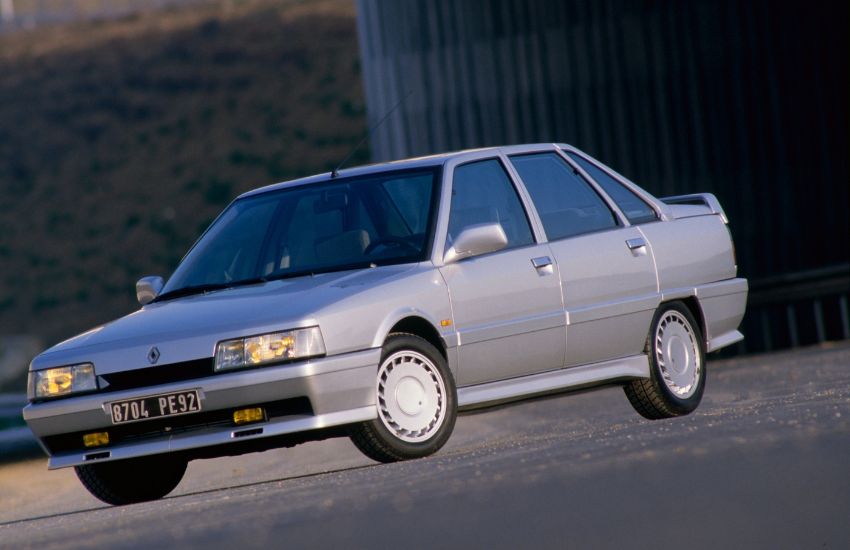
Then came the bit that got people talking: the Renault 21 Turbo. With its 2.0‑litre turbocharged four‑cylinder producing around 175bhp and a hefty 199lb ft of torque the Turbo was a proper performer by late‑80s standards. It could sprint to 62 mph in the mid‑7‑second bracket and march on to roughly 140mph. When the 21 Turbo was announced, Motor Sport described it as extremely fast, with its mid-range overtaking ability showing up the likes of the Mercedes-Benz 190E Cosworth and BMW 525i – though the turbo lag was something to consider. These days, that just adds to the fun… as scribe Mike Cotton described: “At 2000rpm the 21 Turbo is as sedate as an undertaker’s hearse, but at 2700rpm an afterburner has the front wheels scrabbling for adhesion on wet roads.
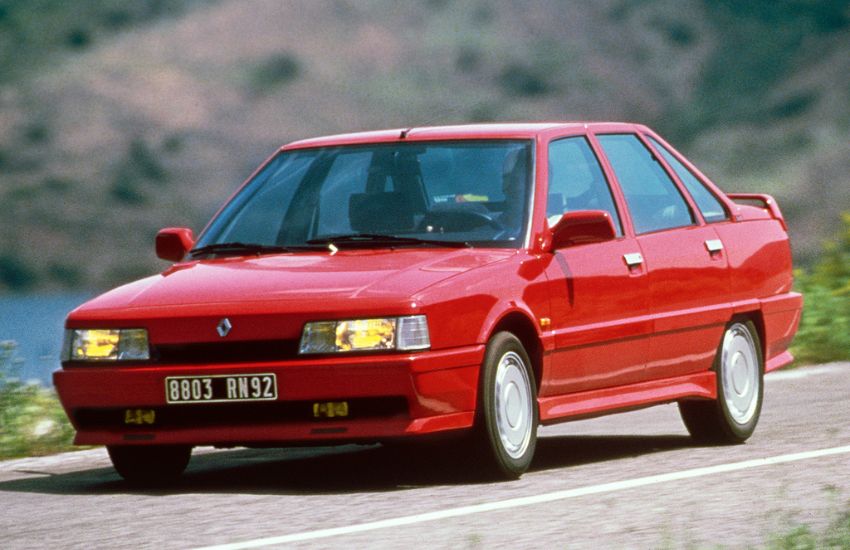
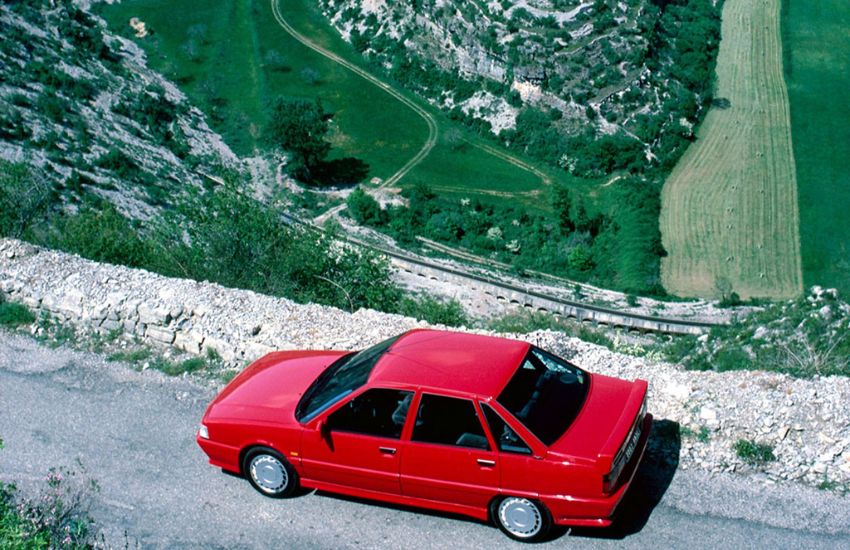
The Turbo’s suspension was sharpened, steering more pointed and brakes up to the task — so this wasn’t a heavy, ponderous saloon with a jesting badge, but a seriously quick four‑door with real ability. Enthusiasts have long compared it favourably with more celebrated hot saloons of the day – it could hold its own against the likes of the Sierra XR4x4 and Peugeot 405 Mi16 and still offer effortless comfort in touring mode.
Today the 21 Turbo is rare as hen’s teeth on UK roads. DVLA and rarity trackers show only about a dozen remain on the road taxed, with around 140 SORNed examples waiting patiently off the road.
So what should you look for if you’re thinking about buying one? First and foremost, rust is the arch‑enemy of any classic French saloon. Check the usual suspects — sills, wheelarches, rear valances and even under‑bonnet struts — for corrosion. R21s were better than some earlier Renaults on build quality, but moisture and age have taken their toll on many. A clean underside and straight panels are worth paying a little extra for.
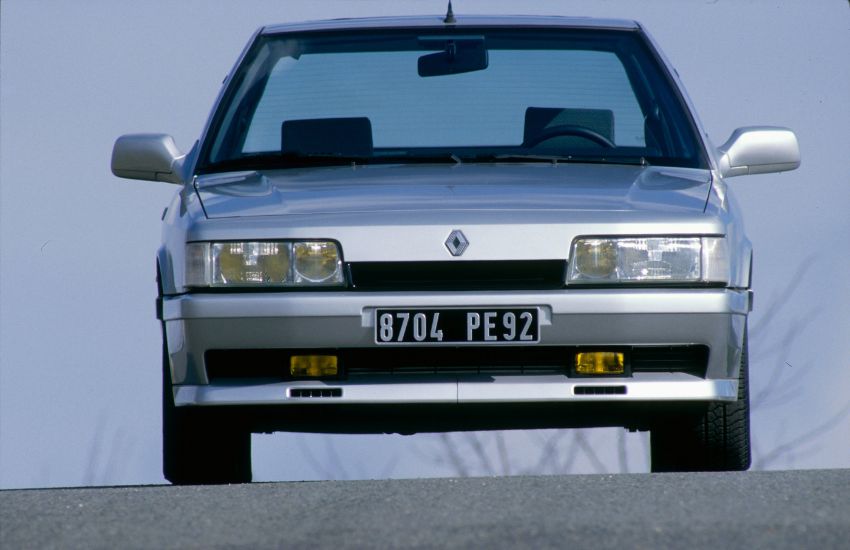
Under the bonnet, the Turbo engine demands extra respect. A thorough history with regular oil changes, timing belt replacements and cooling system care is vital because the turbocharged motor doesn’t forgive neglect. Look for evidence of head gasket issues, turbo lag that feels uneven and smoke on start‑up — these are tell‑tale signs of tired components. The Turbo Quadra’s AWD system needs checking too: drive carefully from cold and listen for rough bearings or inconsistent engagement. Turbo cars were often driven harder than typical 21s, so worn dampers, bushes and brake components are common wear items.
Dash plastics on R21s can degrade, and switchgear on Turbo models often shows age — check buttons, stalks and trim carefully. The seating and carpets on a high‑mileage R21 can be tired, so a good example with fresh or well‑maintained trims is worth a little premium.
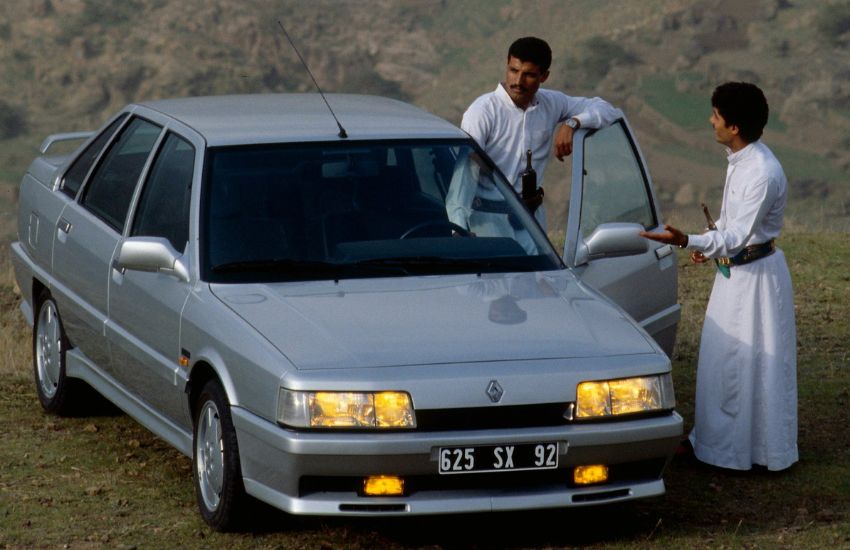
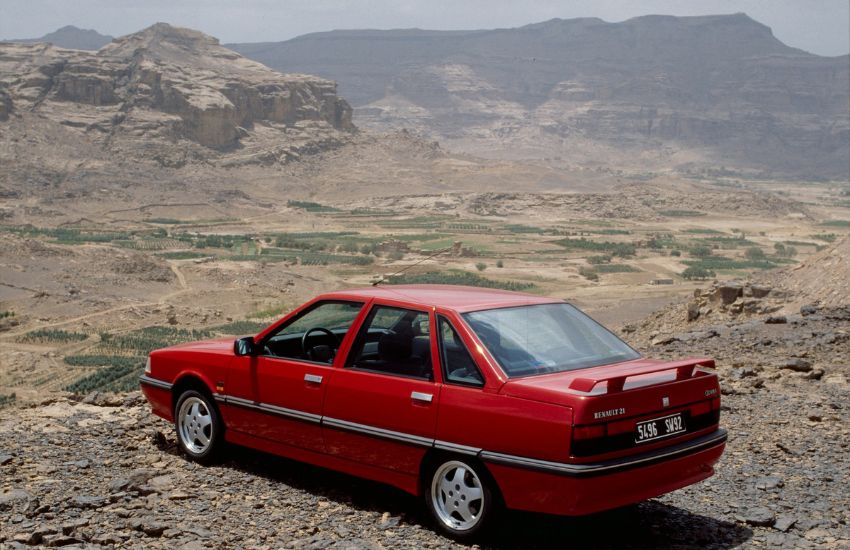
Market prices reflect both rarity and condition. In the UK, solid, road‑legal R21 Turbos do come up – but you’re unlikely to see them in the sort of numbers you get with Sierra Cosworths. Recent classified listings from continental Europe (which give a good proxy for the UK) show examples around £5k–£8k for nice, usable cars, with £8k–£12k for very clean or low‑mileage examples. Some pristine, documented cars can rise above that, but even then they are serious bargains in the world of performance classics.
The real value is in ownership experience. You get a car that is properly quick for its era, easy to live with and surprisingly stable at high speed – no small feat for a late‑80s French saloon. Its rarity means you seldom see one at classic runs, and when you do, it sparks conversation: “That’s an R21 Turbo, isn’t it?” – exactly the reaction a modern classic ought to evoke.
Do you own one of the last remaining Renault 21’s in the UK? We’d love to hear all about it below.
Insure your classic with a specialist insurer
If you’re looking for cover for your pride and joy, why not consider Hagerty UK? Not only are we classic car insurance specialists, but we are enthusiasts at heart. Call us for a quote on 0333 323 1138.