
Words and Photography: Nathan Chadwick
Whether you’re after JDM hero or a European exotic, Japan’s auctions are a rich source
Japan has become one of the most important hunting grounds for classic car buyers worldwide. From low-mileage European icons to immaculate domestic-market legends, the country’s obsessive maintenance culture, dry storage and disciplined ownership make it uniquely appealing. Yet buying through Japanese auctions is very different from bidding at a UK sale or dealing with a specialist. The rewards can be substantial — but only if you understand the system.

Japanese car auctions are vast, efficient and ruthlessly transparent — once you know how to read them. Tens of thousands of vehicles pass through weekly across auction houses such as USS, TAA, ARAI and JU. Many classics are consigned by private owners who adhere to strict servicing regimes, and cultural attitudes toward maintenance mean even everyday cars can be exceptionally well cared for.
Crucially, auctions offer access to cars that never officially came to the UK, as well as European classics that were expensive prestige imports when new and therefore often sparingly used. The downside is that auctions are designed for trade buyers, not enthusiasts – you are expected to do your homework.
Every auction car comes with a grading sheet, typically rating the vehicle on a numerical scale (commonly from 0 to 5 or 6) along with a detailed diagram marking scratches, dents, corrosion and interior wear.
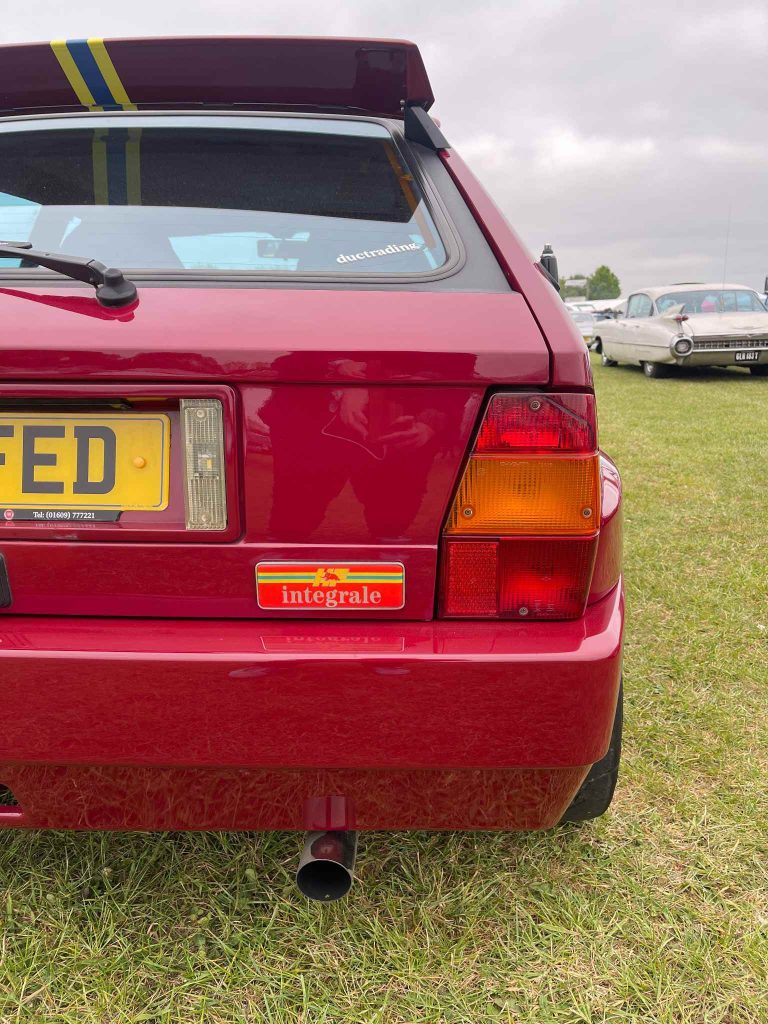
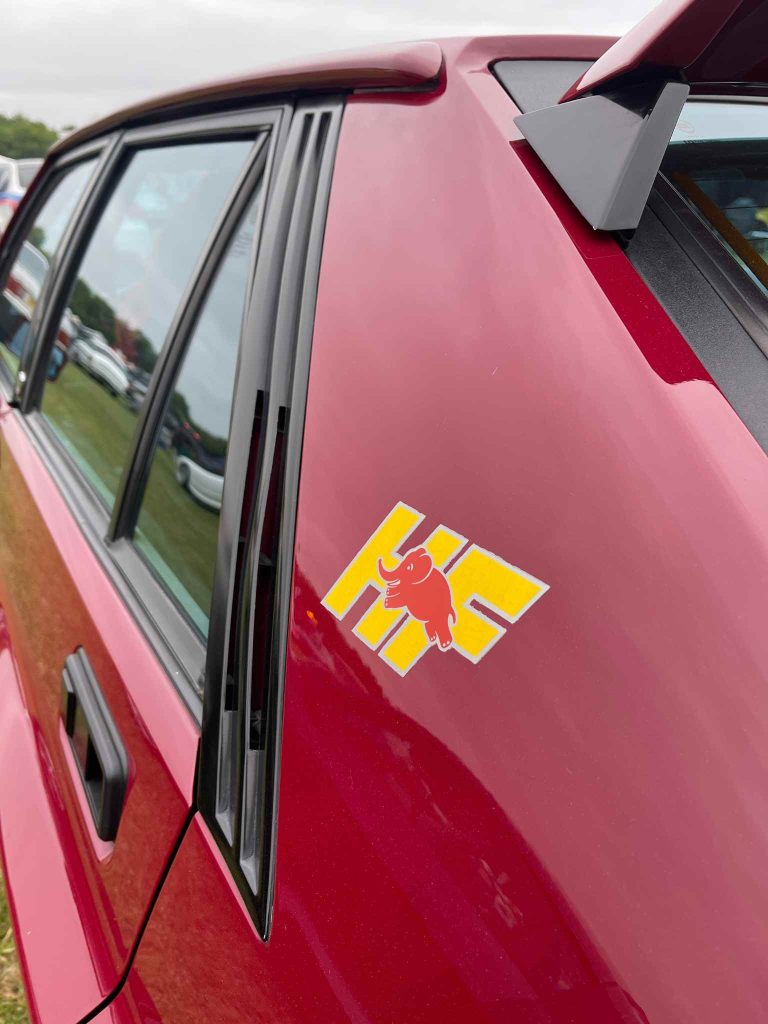
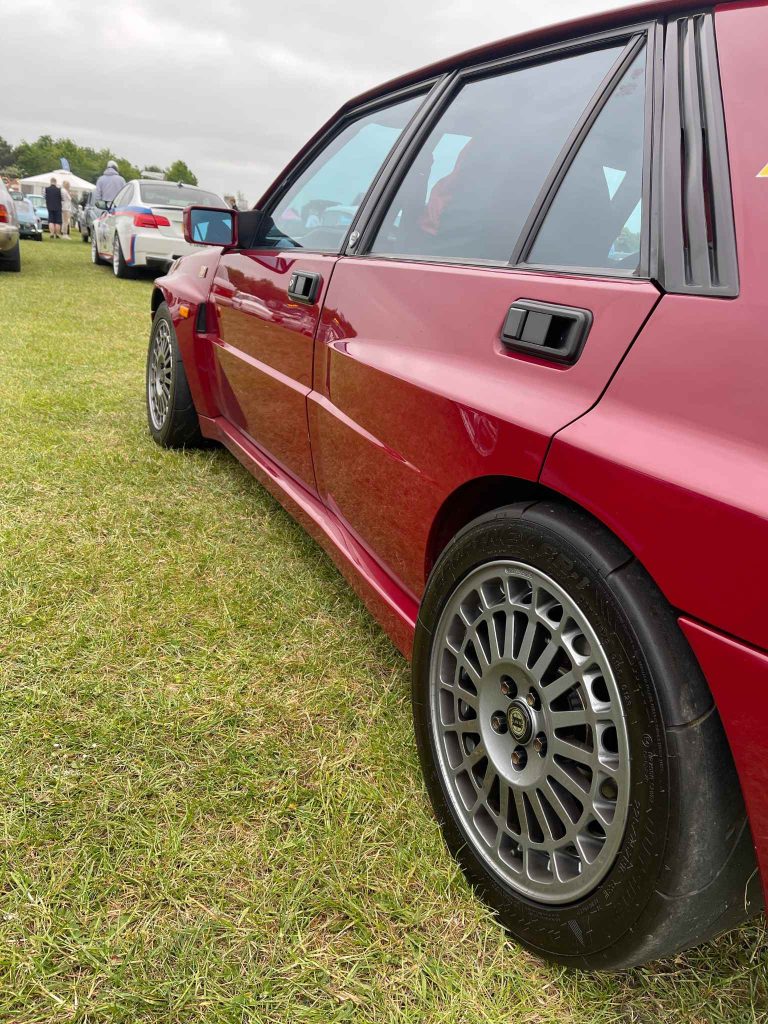

As a rough guide, cars graded between 4 and 4.5 are generally in very good condition, showing only light wear consistent with careful use. Vehicles graded 3 to 3.5 tend to display more noticeable wear, often with cosmetic issues that may require attention but are usually still presentable. A Grade R or RA indicates that the car has been accident-damaged and subsequently repaired, while a Grade 0 classification is typically reserved for cars that are modified or no longer in standard, factory specification.
However, grades are not guarantees. They are assessments made quickly and conservatively. Some auction houses are stricter than others, and older classics are often graded more harshly due to age alone. Always read the written comments carefully – this is where corrosion, repainting or mechanical concerns are often disclosed.
Japan’s reputation for rust-free cars is deserved – but not universal. Coastal regions and northern prefectures that use road salt can produce cars with hidden corrosion. Auction sheets will often note rust as “S” (surface) or “U” (corrosion), but the severity varies.
This is where using a trusted export agent matters. A good agent will physically inspect the car, photograph underside areas and highlight issues that may not be obvious on the sheet. Never rely solely on the grade or photos supplied by the auction house.
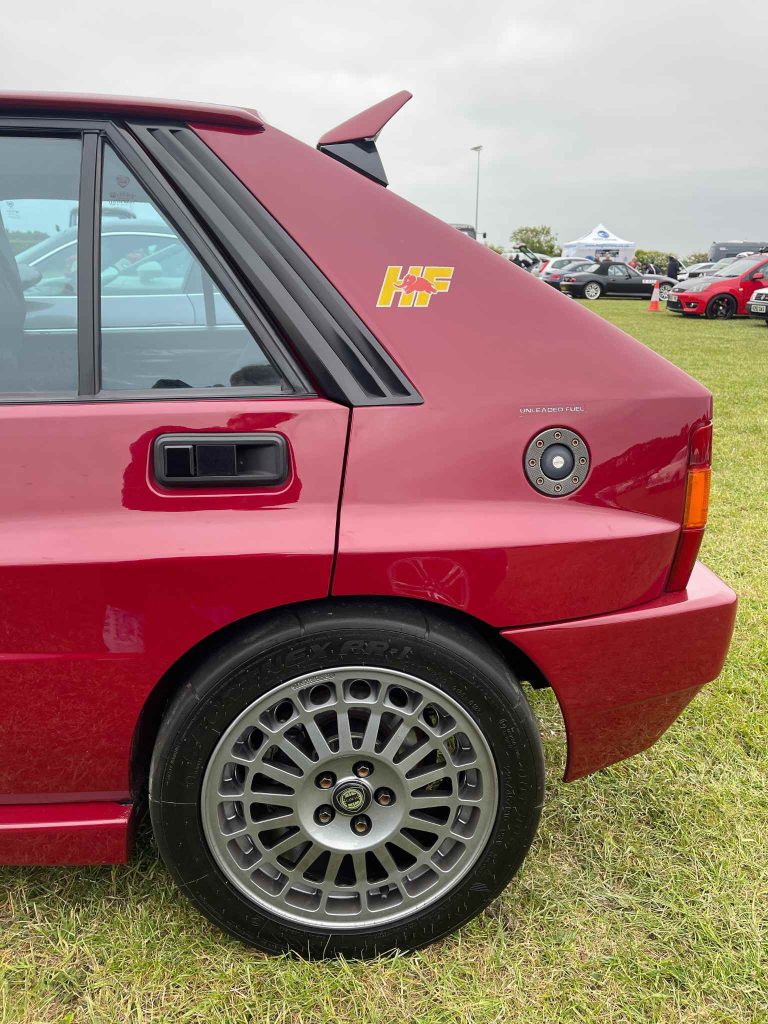
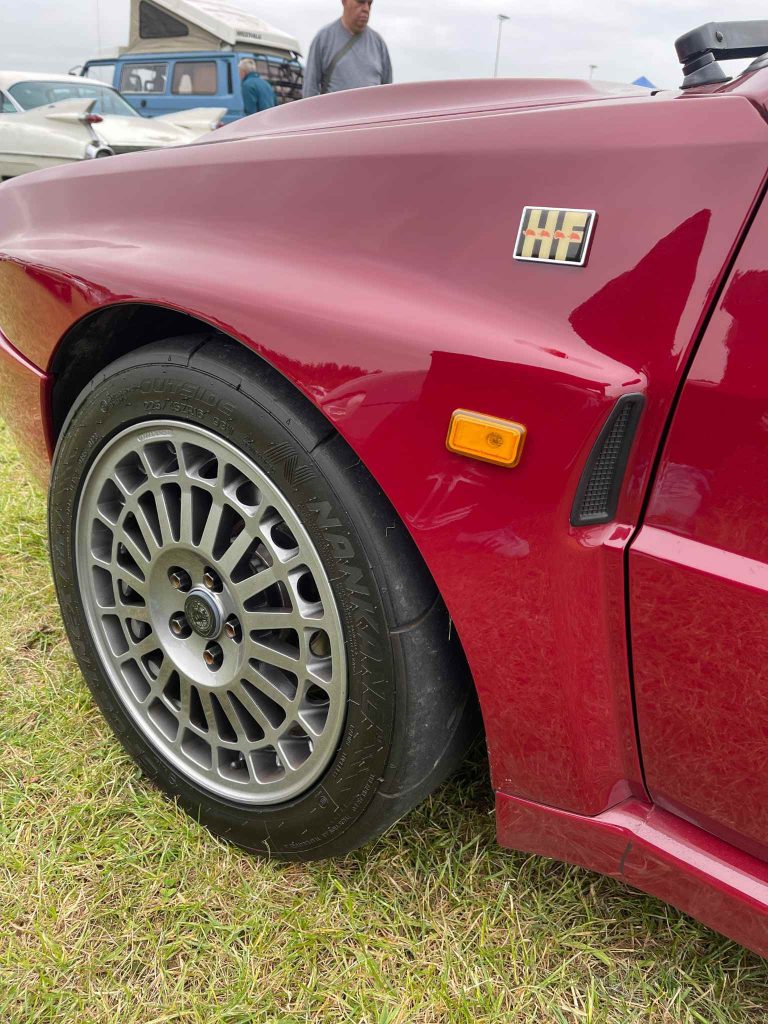
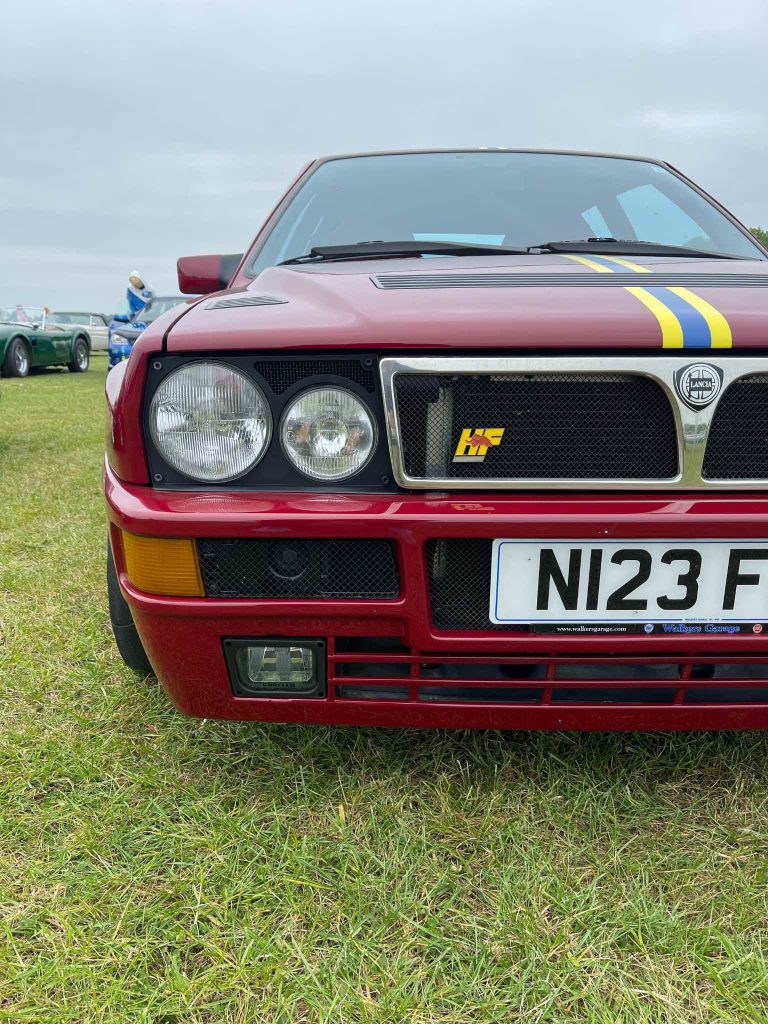
One of Japan’s biggest draws is low mileage and in most cases it is genuine. The Japanese inspection system discourages long-term ownership of older cars, leading many to be parked or lightly used. Mileage tampering is rare and heavily penalised.
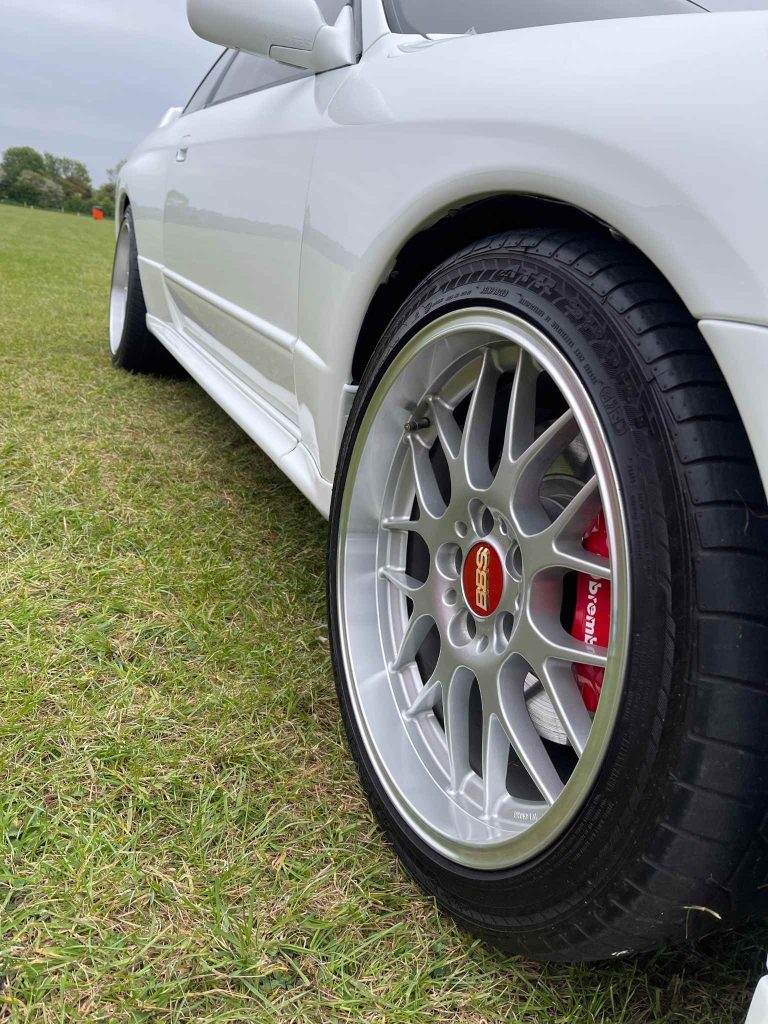
That said, low mileage doesn’t equal mechanical health. Cars that have sat unused may need recommissioning: seals dry out, fluids degrade and rubber hardens. Budget accordingly. Japanese buyers often modify cars – sometimes subtly, sometimes extensively. From aftermarket wheels to engine swaps, modifications can push a car into Grade 0 territory even if condition is excellent.
Decide early whether originality matters to you. Reversing modifications can be costly, particularly if original parts are no longer available. Conversely, period Japanese tuning parts can add value to certain models if you understand the scene.
Japanese buyers often modify cars – sometimes subtly, sometimes extensively. From aftermarket wheels to engine swaps, modifications can push a car into Grade 0 territory even if the condition is excellent.
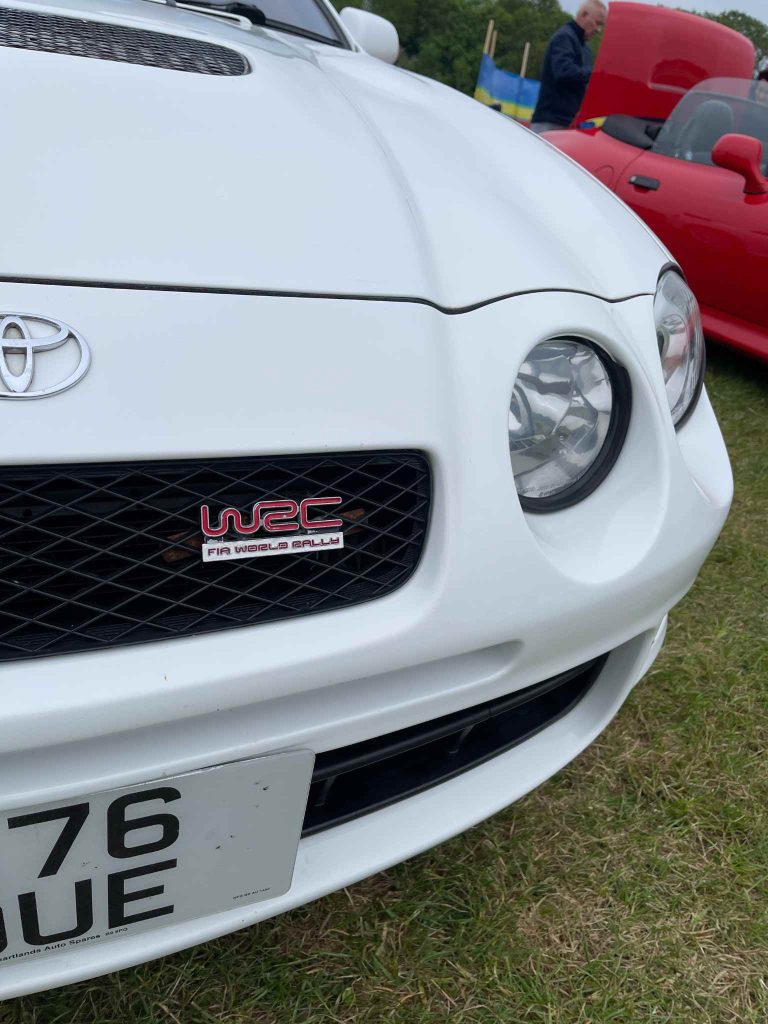
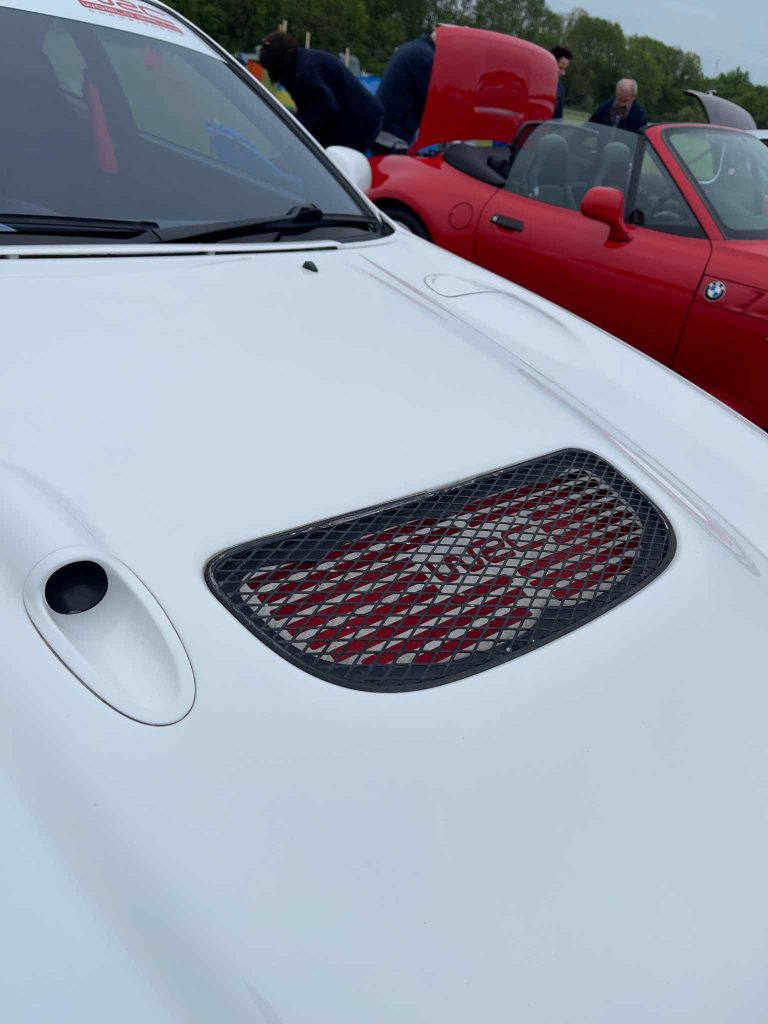
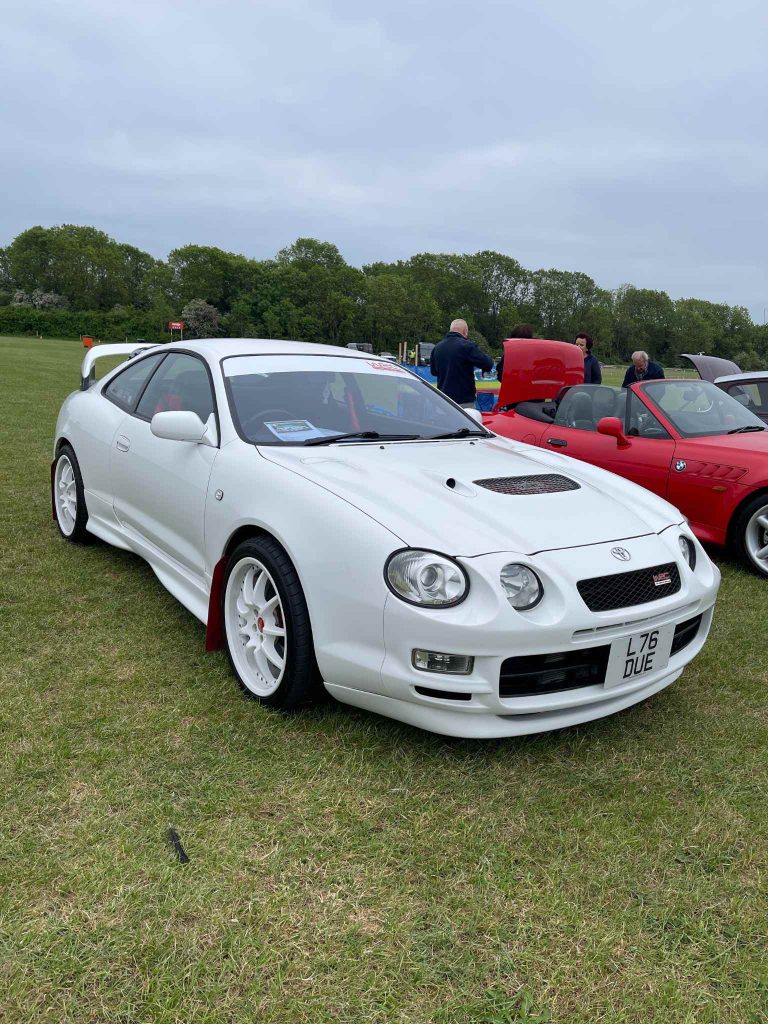
Decide early whether originality matters to you. Reversing modifications can be costly, particularly if original parts are no longer available. Conversely, period Japanese tuning parts can add value to certain models if you understand the scene.
Auction prices are only the beginning. After securing a winning bid, additional costs quickly accumulate, including auction fees, export agent charges, inland transport to the port, shipping costs whether by roll on/roll-off or container, and marine insurance. As a general rule of thumb, buyers should add approximately £3000 to £5000 to the hammer price to cover these expenses before accounting for UK taxes. Exchange rates can fluctuate significantly, so it is wise to fix your budget in yen where possible to avoid unexpected increases in cost.
Unless you are fluent in Japanese and physically present at the auction, buying directly is generally impractical. This is where a reputable export agent becomes indispensable, acting as your eyes, ears, and advocate throughout the process. A skilled agent will accurately translate auction sheets, inspect cars in person, advise on realistic values, and handle payment, shipping, and documentation. In fact, choosing
the right agent is arguably even more important than choosing the right car, as they help you navigate nuances that would otherwise be easy to miss.

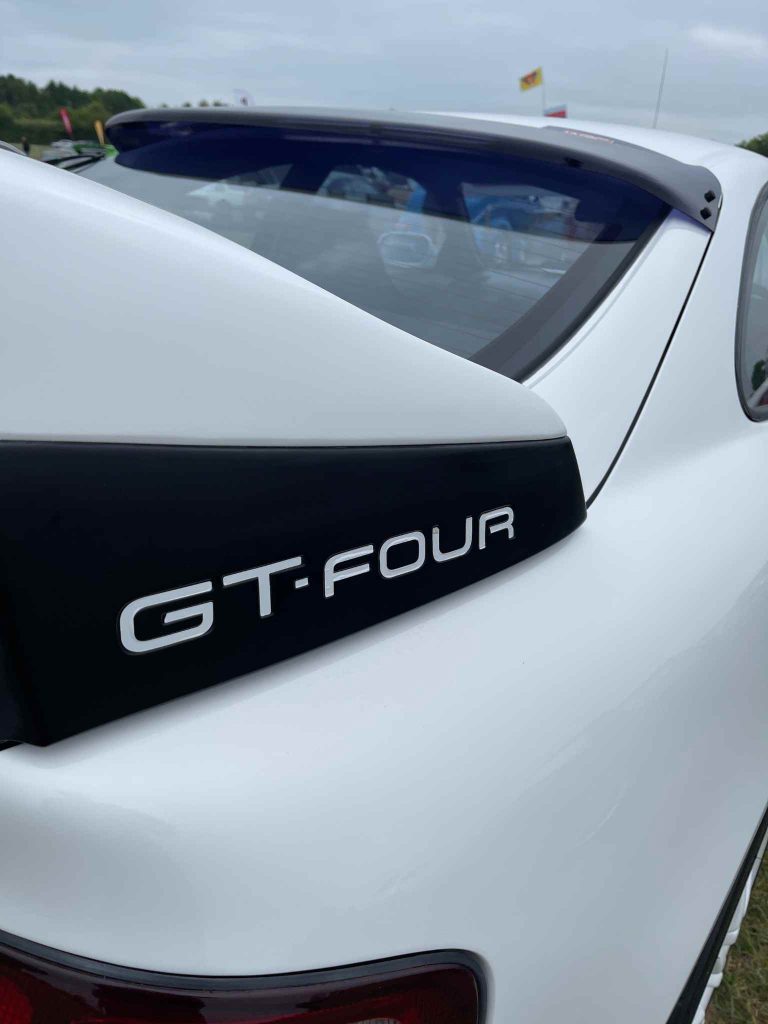
Once your car has been purchased and shipped, the UK import process is relatively straightforward, particularly for older vehicles. Most cars arrive via roll-on/roll-off (RoRo) shipping, which is cost-effective and efficient, though containers offer extra protection for high-value or delicate vehicles at a significantly higher cost. Transit from Japan to the UK typically takes six to eight weeks, giving you time to prepare for customs clearance.
Upon arrival, the car must be declared to HMRC using NOVA (Notification of Vehicle Arrivals). Vehicles over 30 years old that remain largely original and are no longer in production may qualify as collector’s items, attracting a reduced import VAT of 5% and no customs duty. Cars under 30 years old, or those that have been heavily modified, are treated as standard imports and are subject to 20% import VAT and 10% customs duty. VAT is calculated on the total of the purchase price plus shipping costs, so it is important to keep all invoices for reference.
Registering the car with the DVLA requires a few key documents: the Japanese export certificate (with translation), the bill of sale, NOVA clearance, proof of insurance, an MOT certificate if the vehicle is under 40 years old, and completion of Form V55/5 along with the £55 registration fee. Vehicles over 40 years old are exempt from MOT and road tax if unmodified, although they must still be roadworthy.
In addition to paperwork, some minor modifications may be necessary for UK road compliance. Japanese-market cars often need headlights adjusted or replaced to dip to the left, speedometers readable in miles per hour, and the addition of a rear fog light if one was not originally fitted. These adjustments are usually straightforward but are essential to ensure the vehicle is legally and safely usable on UK roads.
Have you ever bought a car from a Japanese auction? We’d love to hear what you managed to snap up in the comments below.
Classic car insurance from Hagerty UK
Keep your classic on the road with expert classic car insurance built by car lovers, for car lovers. Rated ‘Excellent’ on TrustPilot.









Why adjust or change the headlights? Japan drives on the left side of the road like the UK!
In order to secure any vehicle, you force yourself to outbid every UK importer’s skilled man, at a worse exchange rate. Then you would have a metal object on the wrong side of the world with no established preferential shipping arrangements. Go figure.
The Japanese drive on the same side of the road as we do, so why would headlights need replacing?