We’re still half a year away yet, but on July 25th, the gates of Grimsthorpe Castle in Lincolnshire will open to welcome thousands of cars and even more visitors for this year’s Hagerty Festival of the Unexceptional.
Before that though comes the selection process for the Concours de l’Ordinaire, to decide upon the fifty cars that will take pride of place in the garden outside the house – one of which will take away the prize as most unexceptional of all.
Whittling down the typical 150-or-so entries down to just fifty isn’t easy. Think of it a bit like when you over-wrote for an essay at school or university and had to cut thousands of words. You can’t just cut two thirds of the entries willy-nilly – the Hagerty UK staff looks at the merits of every vehicle, slowly skimming cars off until the finalists remain.
Is there any way to get ahead in this jumble of unexceptional metal? Well, ultimately it’s down to the judges, but there’s one thing you can do to make your mundane motor stand out: take some great photographs.
Do photos matter?
Ultimately the car itself, and its story, is more important than your ability with a camera, but a little like sticking a for-sale ad up on a classifieds site, taking clear, inviting photos of your pride and joy certainly won’t harm its chances with the selection team.
You’ll have heard the phrase “a picture speaks a thousand words”. Well, when you only have finite space to tell us why your car matters, a handful of blurry, gloomy snaps taken with your car crammed alongside your house with a thumb in the frame don’t tell a great story.
Good photos are doubly important when we might have several entries of the same type of car. Imagine there are four Mk1 Fiestas and only one of them has photos that allow us to see just how immaculate the car is, or appreciate some of its finer details like special-edition parts or jazzy seat trim. The submission with the best photos will certainly improve that car’s odds. Again, think of what would be most appealing in a car ad – after all, you’re essentially advertising your car for inclusion in the Concours.
How to photograph your car: the basics
Location, location, location. It doesn’t just matter for houses, but for cars too. We’ve all seen those car ads on Facebook Marketplace where the seller’s done the bare minimum and somehow expects to get a good price.
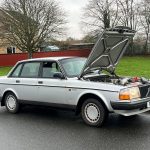
The photo’s taken in the dark… in the rain… on a driveway… with heavy glare from a smartphone flash… and it’s not in focus… and then the only interior image is taken through the closed window showing nought but rain droplets. Submit something similar for FOTU, and to be honest, we’ll probably skip right past it.
You don’t need to choose a perfect, magazine photoshoot location to photograph your car, but anywhere that allows you a clear and unobstructed view of the car is a good start. Maybe the corner of an empty car park, or a quiet local road or beauty spot – or if you’ve already got some snaps handy from a road trip you’ve had in the car, even better.
While we can’t control the weather, a clear or sunny day certainly helps show off your car to best effect. If you’re taking photos anew rather than using existing ones, it’s a good chance to give your car a once-over with a sponge.
And almost any camera will do. Any compact digital camera made in the past 15 years or so will deliver good results, as will any smartphone camera from the same period. To illustrate, the two photos below were taken from roughly the same angle, on an Apple iPhone 14 smartphone, and a Fujifilm X-T2 digital camera, and both are more than acceptable. For the purposes of submitting your car for FOTU, clarity is more important than pro-level quality.
What kind of photos should I take?
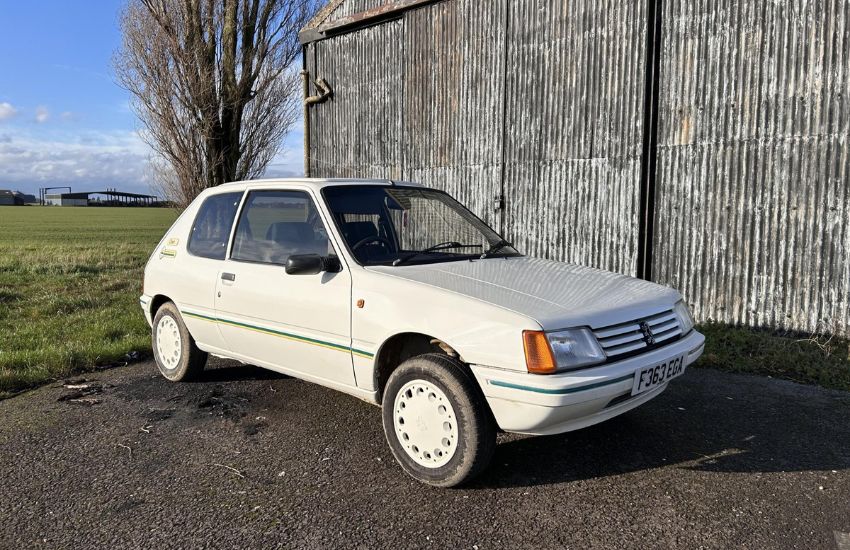
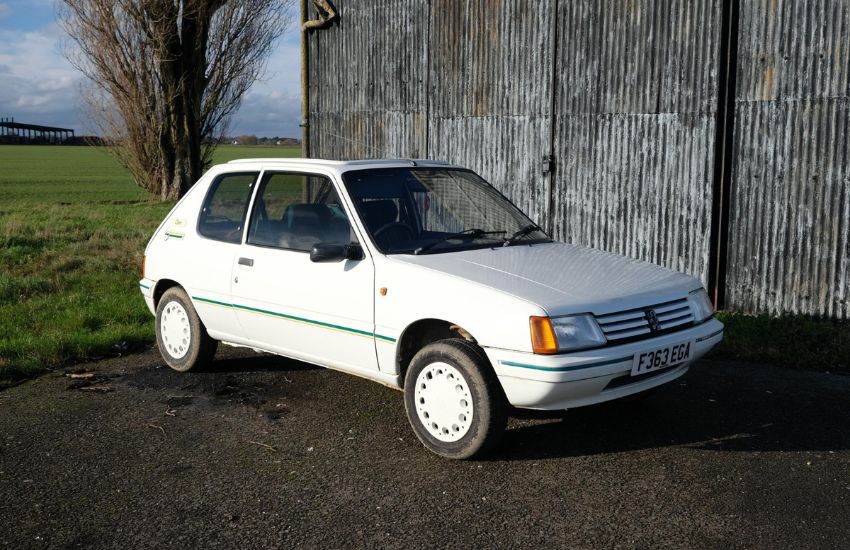
You don’t need to go nuts here. A few clear photos showing exactly what it is you’re submitting, and a few of the details that make it special, are all you really need. This is going to come up a lot, but again it’s a little like taking photos to sell your car – what do you think people will want to see?
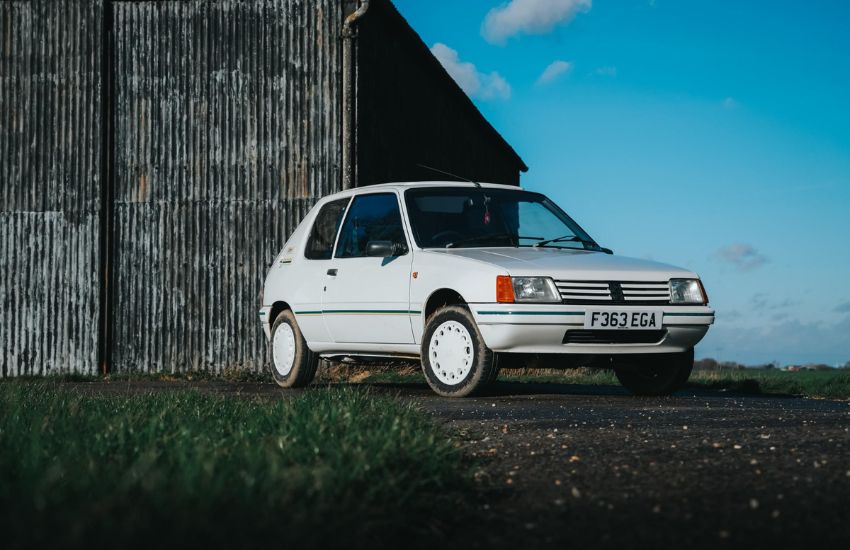
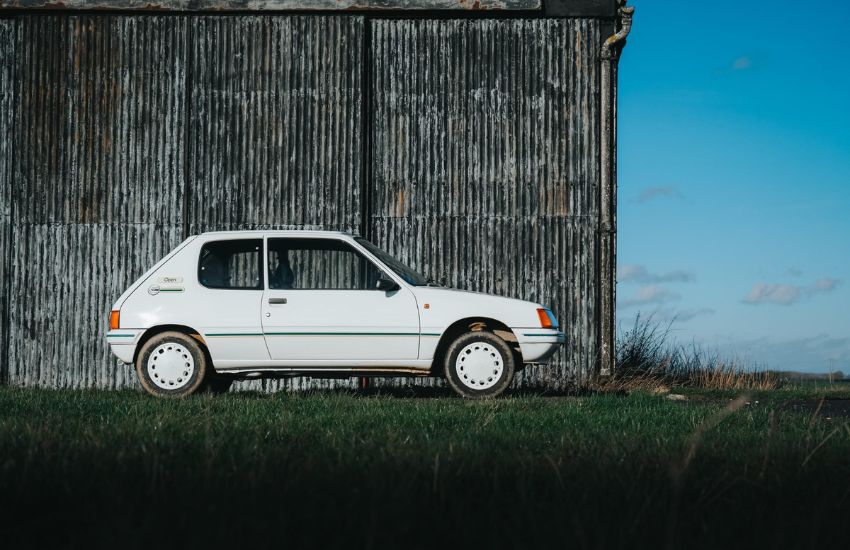
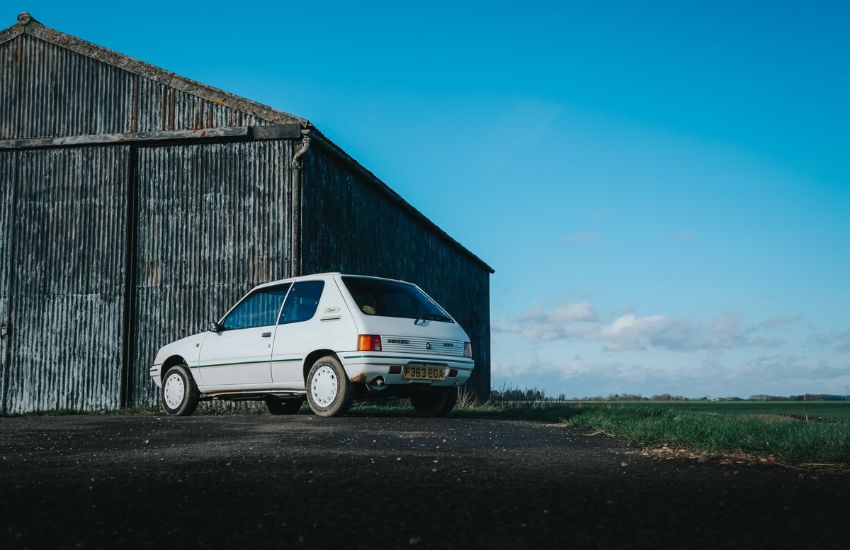
There are a few basics that always work in a car’s favour though. A clear photo of the front three-quarters – that’s a shot showing both the front and the side of the car at once, like the images above – is the best place to start, capturing the car’s basic shape, condition, colour, and details in one image. You can take other exterior photos too – a rear three-quarter perhaps, or a direct side-on view, but the front three-quarter pic is the one to prioritise.
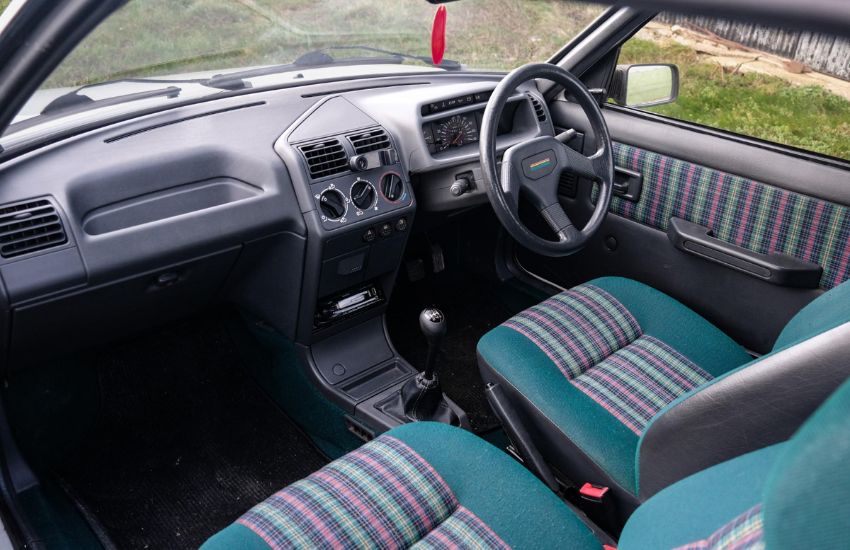
Next, the interior. The shapes, the fabrics, and the colours of the cabin are some of the best things about the cars that turn up at FOTU, and we love to see how a car’s interior pairs with its exterior. The best option here is to open one of the doors (driver side or passenger side will do) and take an image capturing the steering wheel, dashboard, and some of the seats all in one shot, like our example image.
Even just those two shots can give us a very good idea of what to expect from your car, but as we’re all pretty nerdy about cars at Hagerty, we’d certainly not say no to a few more either. A clear shot of the engine bay is always fun, and a good opportunity to show off the car’s mechanical condition.
Then, this being FOTU, there are the details. Base models and special editions always had features (or perhaps lacked features) which separated them from less unexceptional vehicles, so show them off: the badges and stickers, the wheel trims (or bare steelies), the blanked-off switches, and the basic gauge clusters. We love all that stuff!
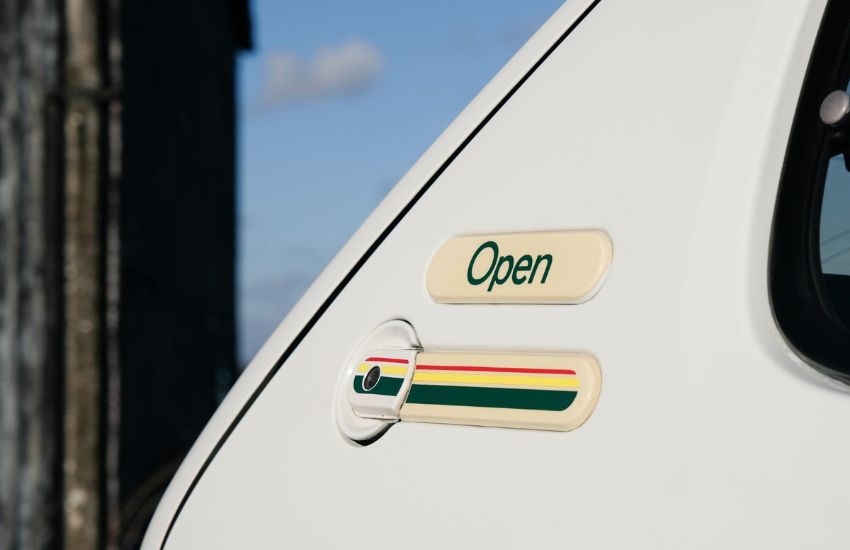
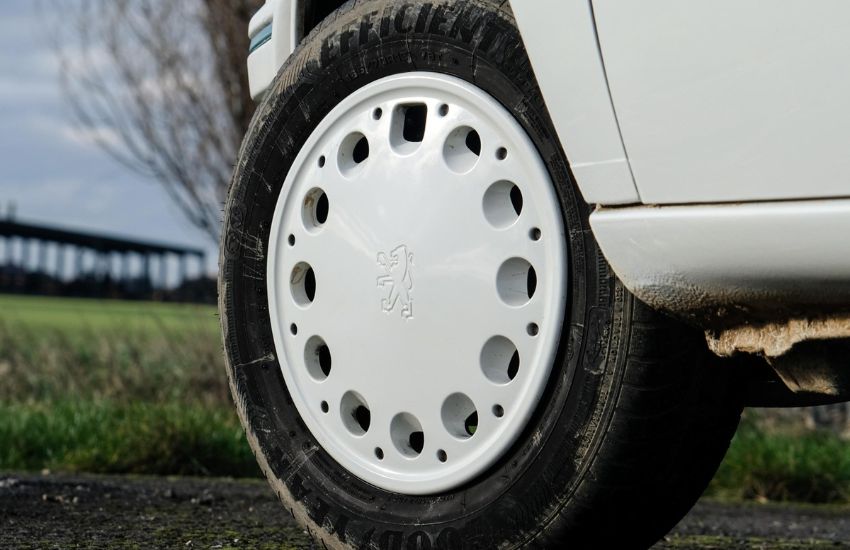
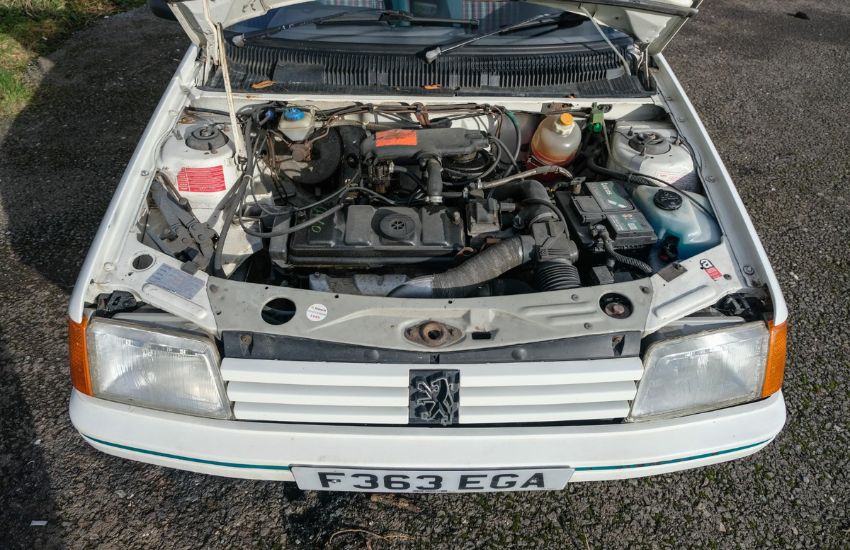
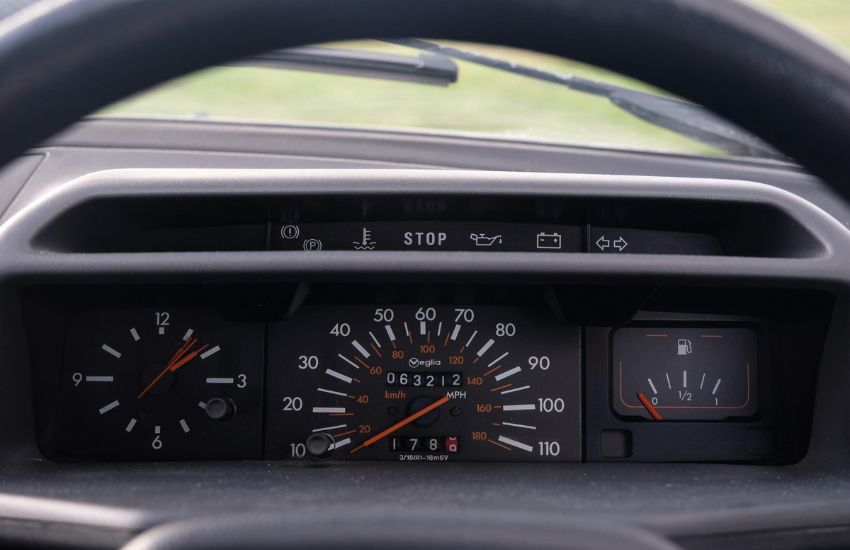
Photo tips
So you’ve picked a dry day, a location, and know what photos we like to see. You’re almost ready, but there are a few more things that can help show off your car to best effect in the photos.
The first is framing. While mobile devices have conditioned us into seeing the world in portrait, landscape still rules for cars – not least because for most of us, our car is probably a low and wide object rather than a tall and thin one. So if you’re shooting on a phone, turn it to the side to help fill out the frame.
There’s a happy medium for filling the frame though. Stand too far away and we won’t see much detail. But stand too close and it’ll look a bit squeezed, and you’ll give your car an unflattering perspective, like taking a fisheye photo of a friend and their nose being bigger than the rest of their face.
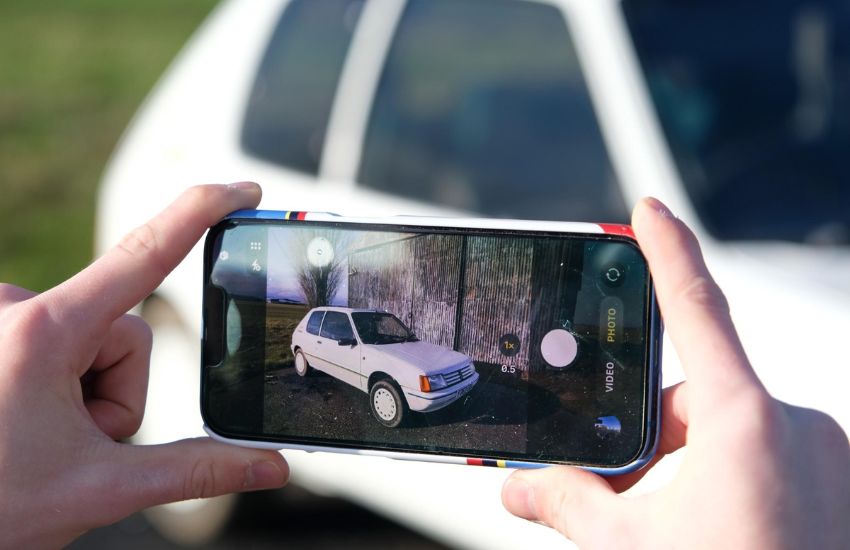
The next is light. We’ve hinted at this briefly above, but a bright, clear day is best for showing off your car. Harsh sunlight can occasionally make things difficult – it was pretty bright on the day we took photos of the Peugeot 205 in our example shots – but most cameras will be able to compensate for this if you’re focusing in the right place. Just aim to photograph the side lit by the sun, rather than the one in shadow.
As for focusing, it’s difficult to get that wrong these days with modern cameras and smartphones, but some people still manage. On a smartphone, tap on the car before taking a shot – the phone will ensure the right bit of the image is in focus. On a dedicated camera, a half-press of the shutter button will allow autofocus to function before you take the shot.
And that’s pretty much it. It pays to keep things simple when you’re sending in your photos, so in the spirit of simplicity, here’s our summary of the points mentioned above:
- Make sure your car is clean
- Photograph your car during the day, in dry weather
- Find an open space to take the photos
- Prioritise a front three-quarter exterior shot
- Others to take: a clear interior snap, engine bay, and any interesting details
- Make sure the car is taking up a decent portion of the frame, but not completely filling it
- Take your photo in landscape orientation
- Give your camera a chance to focus properly
Now that you know how to photograph your car, why not enter your it into the Festival of the Unexceptional Concours De L’Ordinaire? Complete the application form here.
Huge thanks to Fin Andrew for letting us photograph his Peugeot 205 Open for this feature.





Brilliant article, full of helpful hints. I guess it’s the kind of stuff that most of us know, but don’t actually put into practice.
I’ve lost count of the number of cars I’ve seen advertised on a certain popular Internet auction site, with a car is stuck on an unpleasant concrete driveway, with bins and children’s toys in the background, and a gloomy street scene around it. I know not all of us live in Blenheim Palace, but most of us are at least within a short drive of a nice bit of grass – even a decent verge with a tree, if you can’t get to a playing field or a park nearby.
Presentation matters…
Thanks for an entertaining, and not at all preachy piece!