Author: Richard Dredge
Photography: Volkswagen
How many Volkswagen Types can you name? The easy one is the Type 2 (Transporter), which is 75 this year. It’s amazing how many car nuts don’t know that the original air-cooled Beetle was known internally as the Type 1, while later we’d get the Type 3 (the 1500 of 1961) and the Type 4 (the 411 of 1968 which would morph into the 412 in 1972).
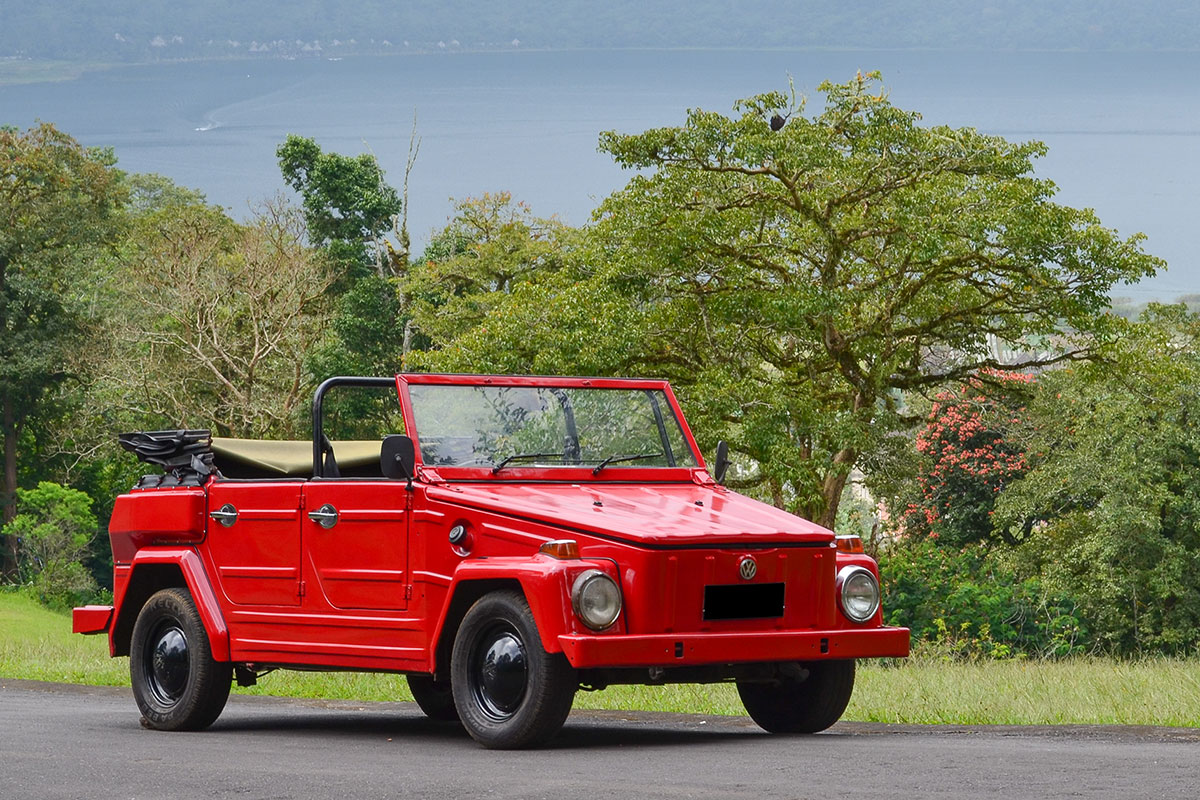
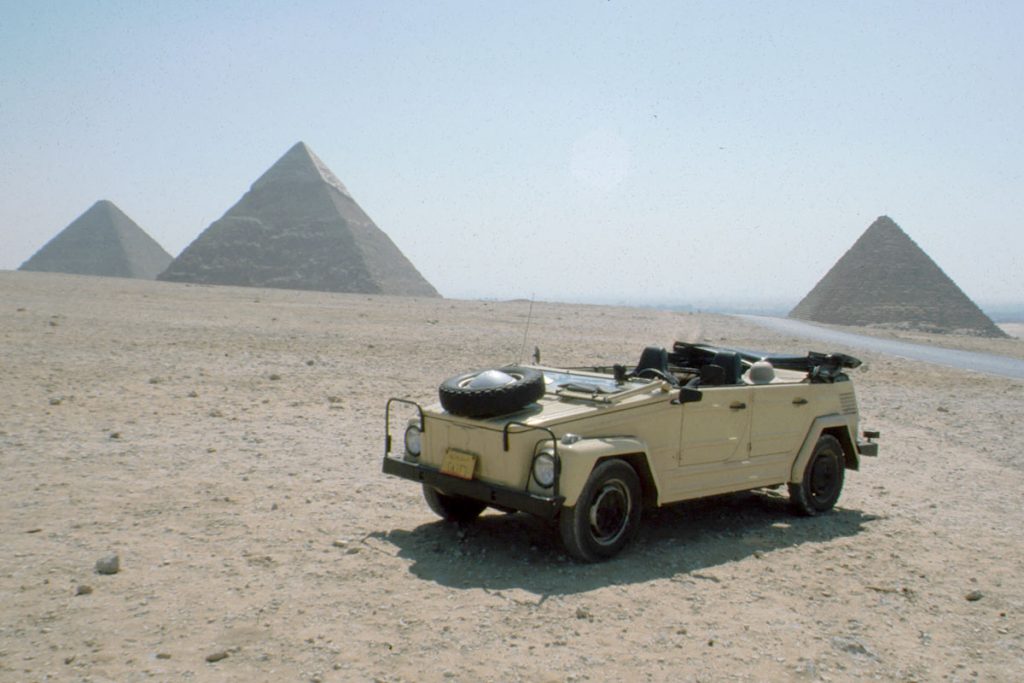
All of these Types featured a rear-mounted, air-cooled flat-four engine, but there were lots of Volkswagens that used a different template. There was the Type 48 for example (K70), while the original Golf was the Type 17; the Jetta was the Type 16 and the Scirocco Mk1, the Type 53. Also in the mix was the Type 181, sold as The Thing in the US but officially known as the Kurierwagen. Developed as a military vehicle, VW had surprising success in selling this off-the-wall confection that’s as hard to pigeonhole as they come. Was it a roadster? A barchetta? An open-topped saloon? Or maybe even a convertible SUV, years before SUVs were a thing? VW reckoned it was a mehrzweckwagen, or multi-purpose vehicle – again, a long time before the term MPV had even been dreamt up.
The original Volkswagen, the Beetle, was launched in 1939, just before World War 2 wreaked global havoc. Beetle production was mothballed when hostilities broke out; instead Volkswagen focused on producing a military version of its first car, called the Kubelwagen, known internally as the Type 82. Between 1940 and 1945 more than 50,000 Kubelwagens were made; VW would have built far more, but with materials so hard to come by, there was a limit to how many could be churned out.
Once the hostilities were over, Volkswagen needed to rise from the ashes after its Wolfsburg factory had been heavily bombed in the latter stages of the war. It did a brilliant job with the introduction of the Beetle and Transporter, which sold well all over the world, including in the US where these vehicles traded on their economy and reliability. However, during the 1960s the West German army, the Bundeswehr, needed a compact and dependable multi-purpose vehicle that it could use alongside the ageing DKW Munga; Volkswagen was commissioned to come up with the goods.
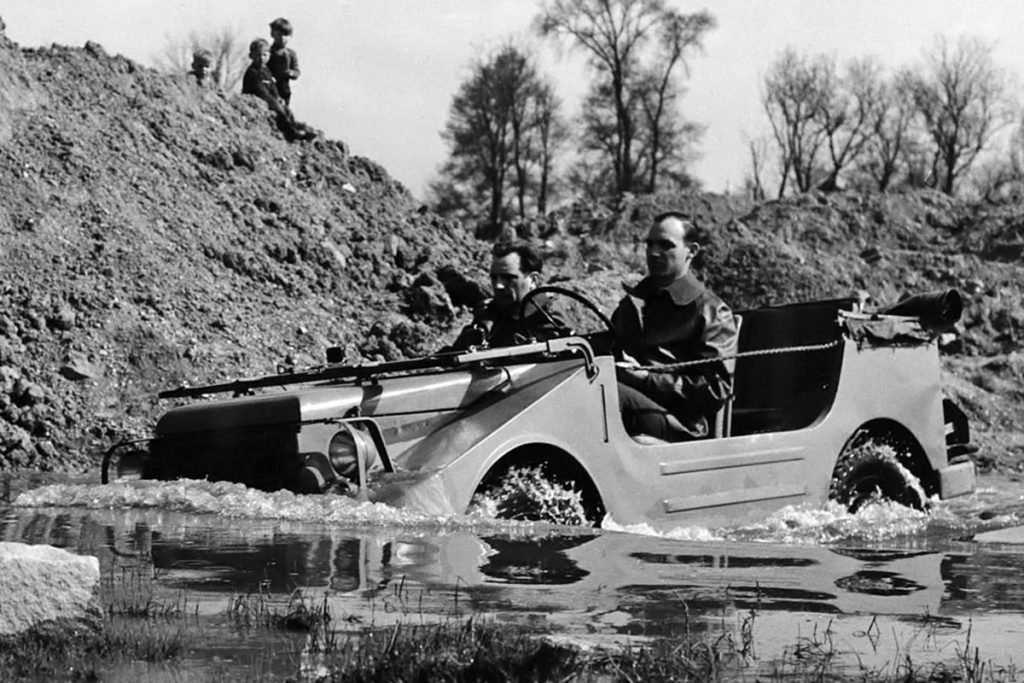
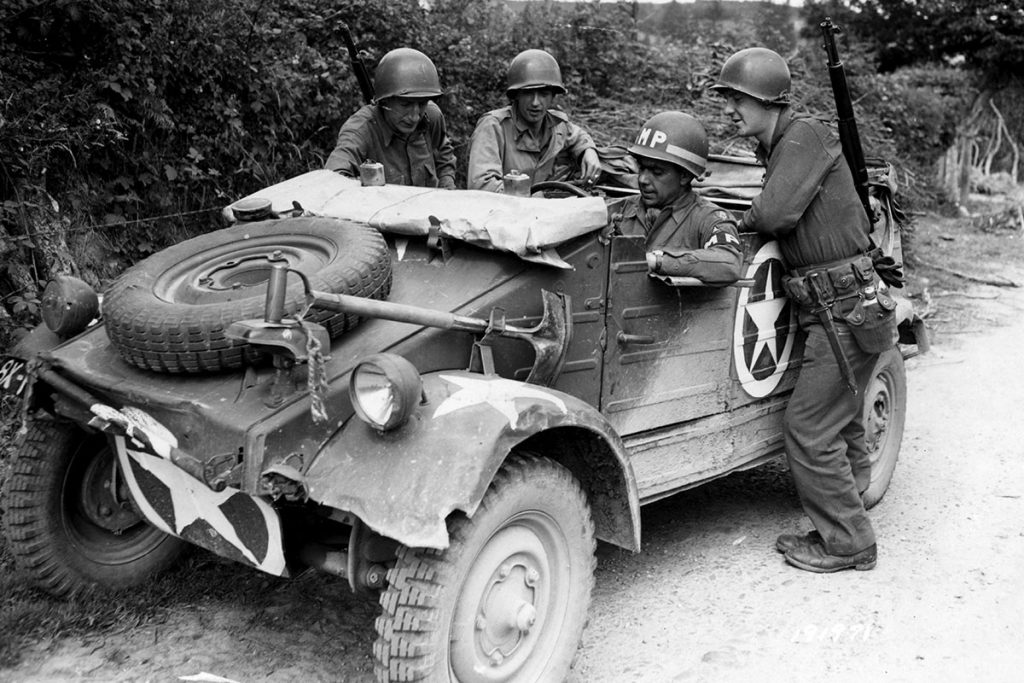
It was inevitable that Volkswagen would look to its recent past to come up with this miltary-grade MPV, and the Kubelwagen in particular. But by now the company had another two decades or so of development under its belt, so it wasn’t reliant on the original Beetle floorpan and mechanicals for the new military vehicle.
In the mid-fifties, coachbuilders Karmann and Ghia had teamed up to build a glammed-up Beetle. This featured a widened floorpan which was further strengthened to allow for a convertible. This larger and stiffer floorpan would provide the ideal basis for the new military vehicle. Reduction gears were fitted to the outer ends of the rear swing axles to provide better traction and extra ground clearance, the latter also aided by redesigned torsion bar front suspension. There was also extra braking capacity thanks to the fitment of Type 3 drums all round, with safety boosted by the adoption of a twin-circuit set-up.
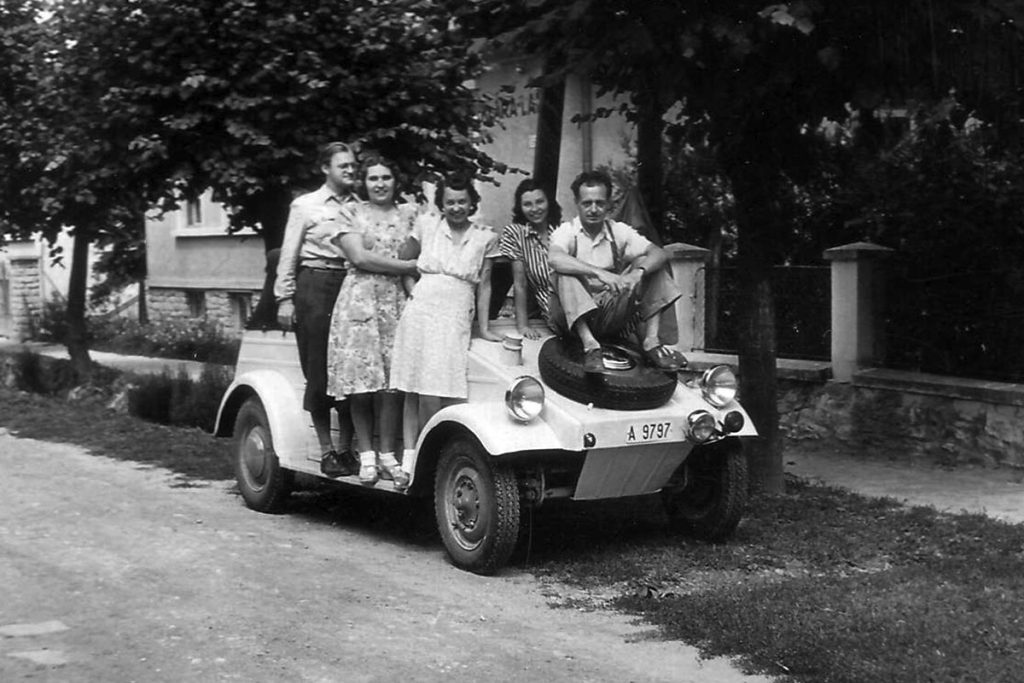
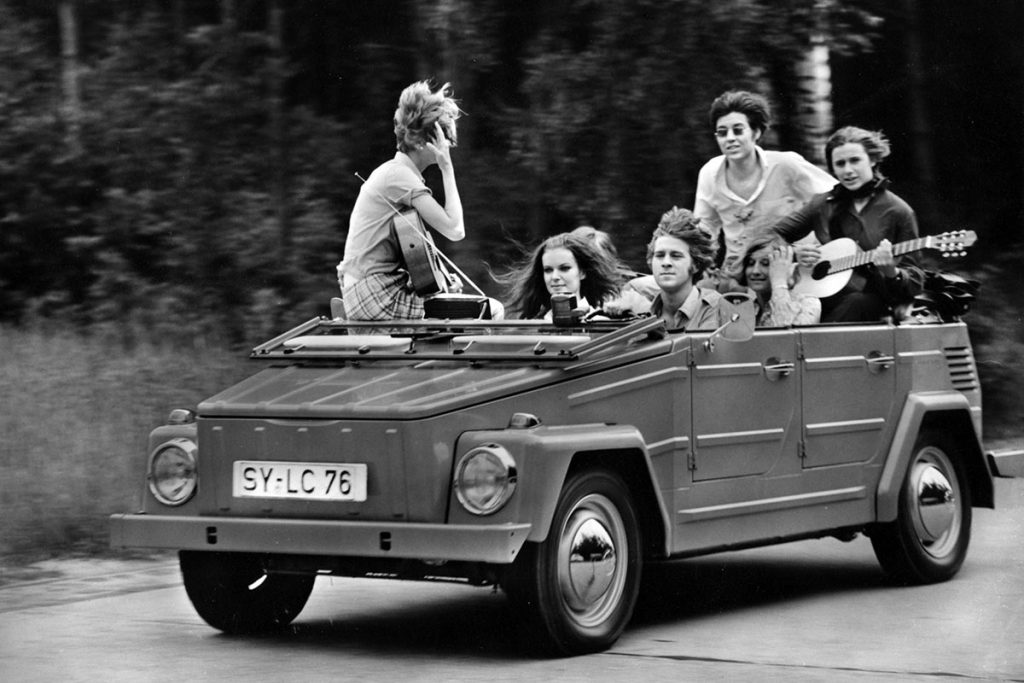
Although only the rear wheels were driven – just as the Kubelwagen’s had been – placing the engine over the back axle improved traction enormously. But if more grip was required, an automatically engaging limited-slip differential was available, which enabled the car to get going even when the going was distinctly slippery.
All of the first 181s were fitted with a 44bhp 1493cc flat-four petrol engine, but within a year of launch there was a 1584cc twin-port powerplant instead. A four-speed manual gearbox drove the rear wheels, and buyers could pick from an extensive range of extras to prepare their VWs for battle conditions. These included waterproofing the engine, a petrol-burning heater for the cabin, gun racks and much more.
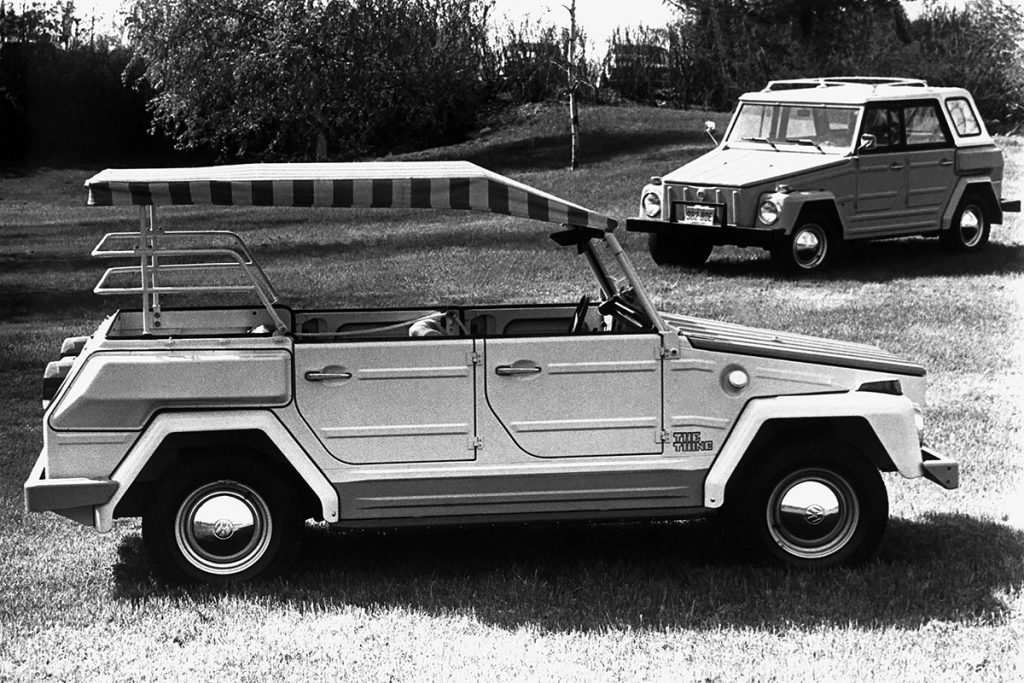
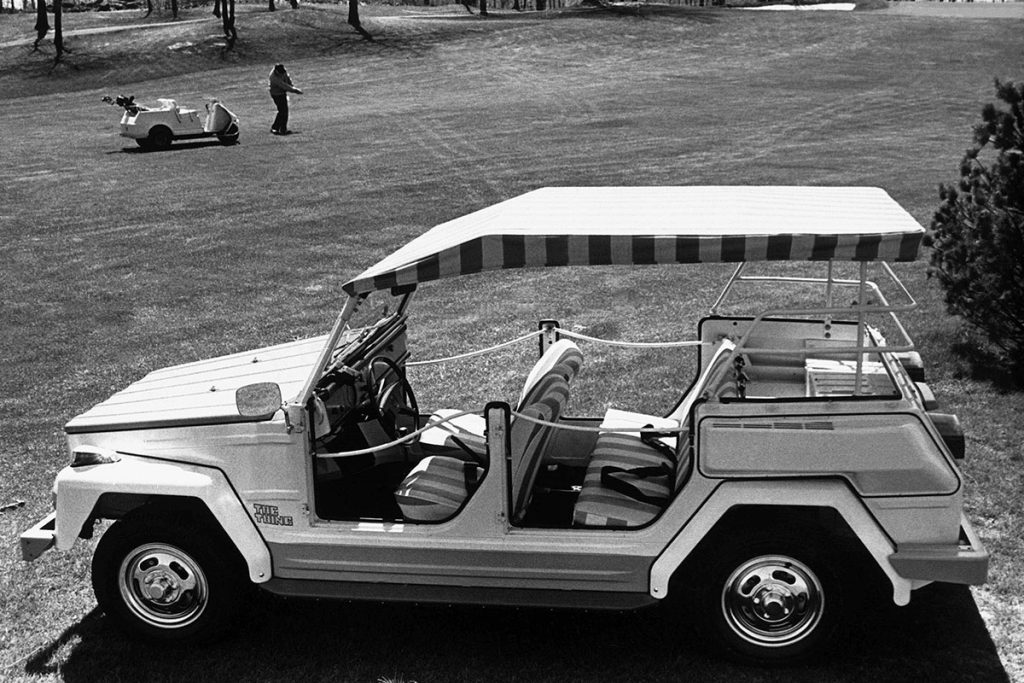
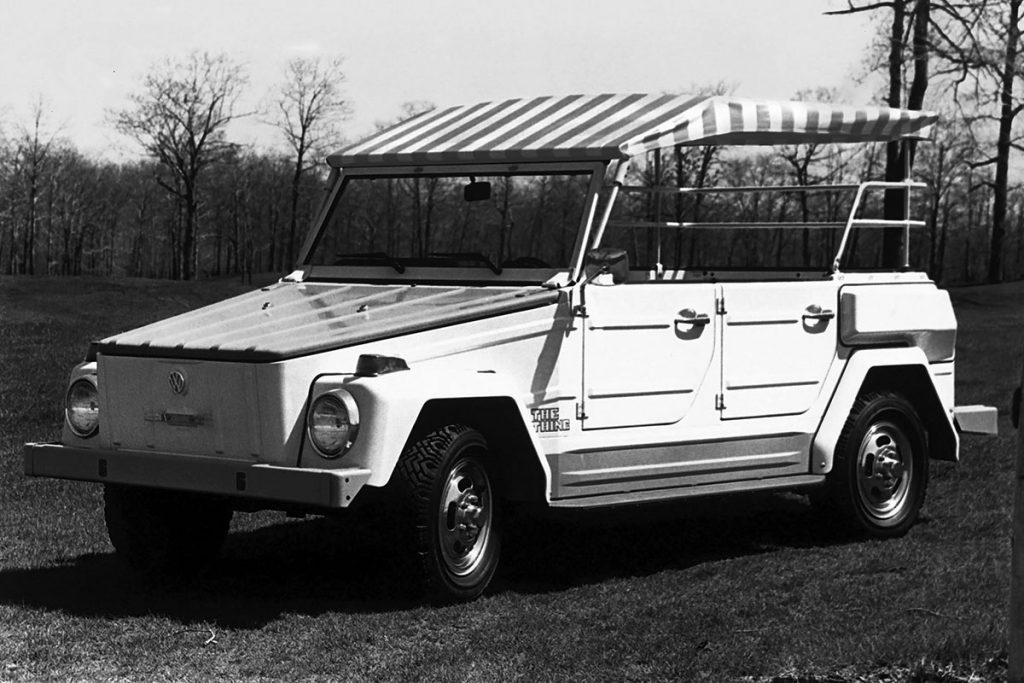
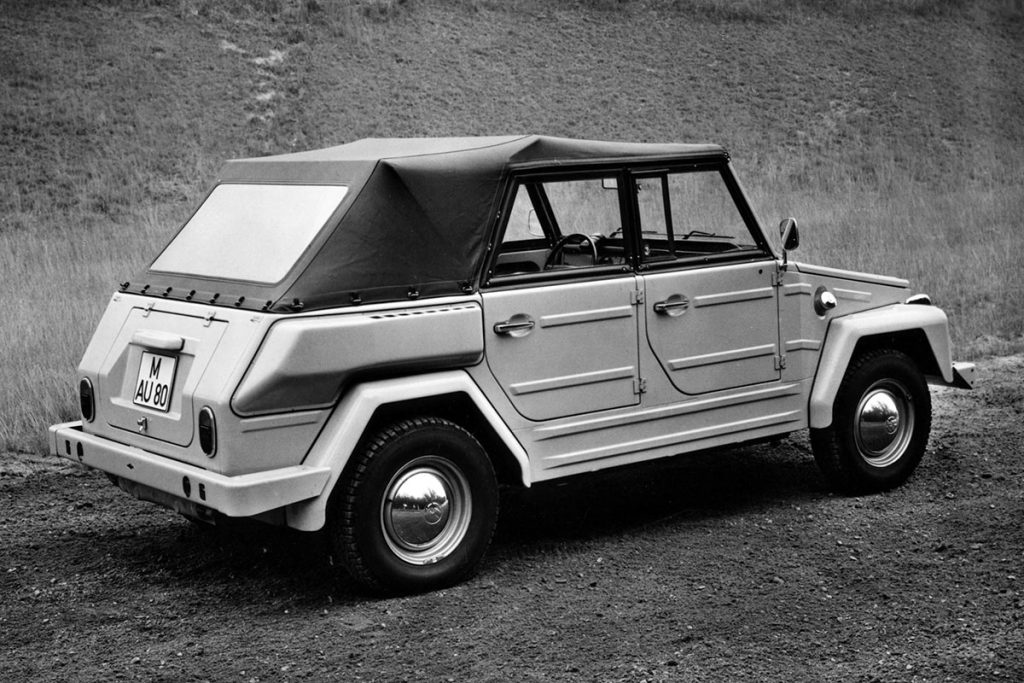
Designed to be robust, simple to maintain, and capable of traversing difficult terrain, the 181 was light (910kg), strong and agile. VW created a four-door convertible that was far tougher than it looked. With the engine in the back the space under the bonnet could house a spare wheel, while the PVC roof took just a few seconds to raise and stow. Each door could be quickly removed, and for ease of construction there were no winding windows; instead there were sidescreens which could also be swiftly fitted or removed. The back seat could be dropped down to create extra carrying capacity and the windscreen folded flat across the bonnet, Jeep/Land Rover-style. Rugged, basic and functional were Volkswagen’s watchwords throughout Type 181 development; you wouldn’t find anything fitted to this weird creation, which didn’t earn its keep.
The Volkswagen 181 burst onto the scene in autumn 1969, and although it had been developed for military use, VW decided to chance its arm and try to sell it into the civilian market. With the Mini Moke and Citroen Mehari having been a hit (up to a point) with private buyers, it was a move that made sense, because the German army was unlikely to buy enough 181s to make its development worthwhile. It was a smart move, because as the sixties morphed into the seventies there were enough trendy young things looking for something different.
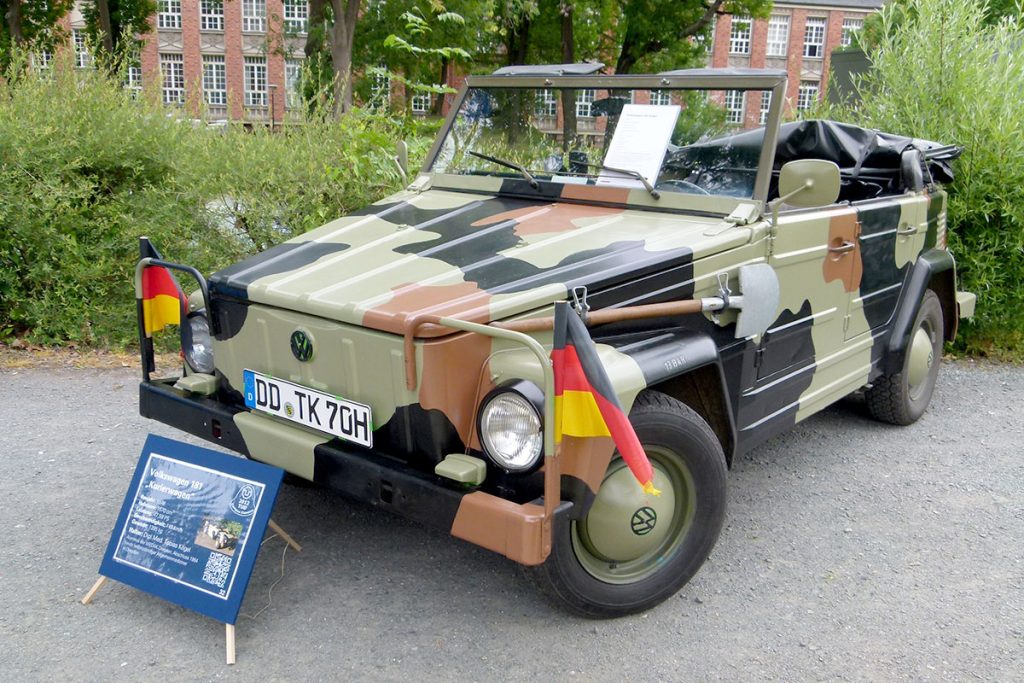
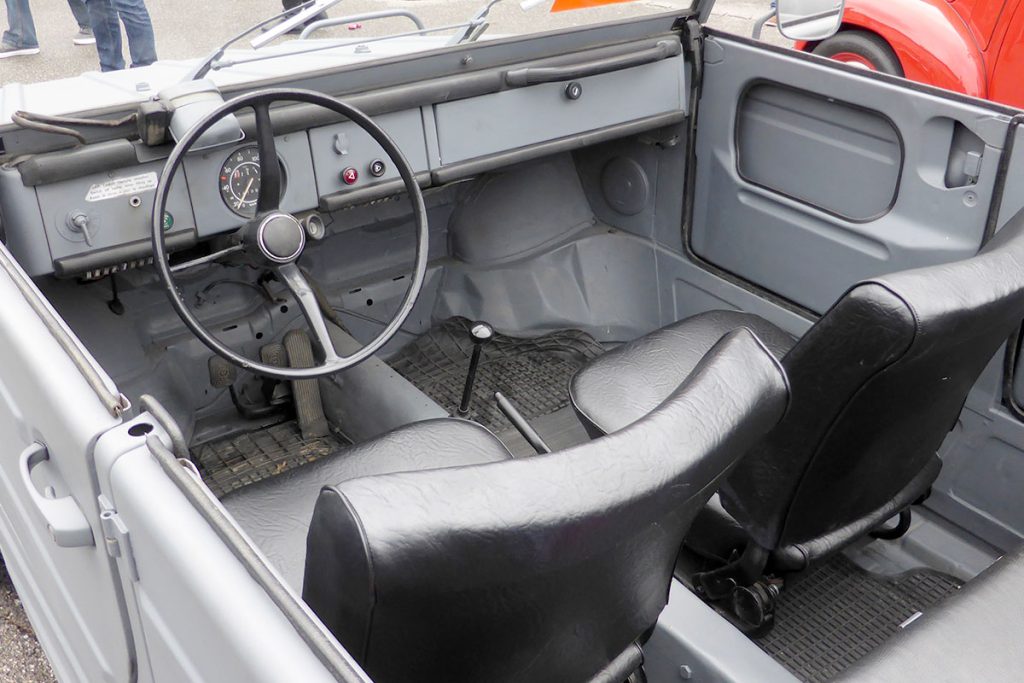
Volkswagen started to build the 181 in August 1969 in its Hanover factory, with production lasting right the way through to 1978. In the meantime factories in Mexico (Puebla) and Indonesia (Jakarta) had also made their fair share of 181s; the Puebla factory kept going until 1980, by which point more than 90,000 181s had been made, more than half of which were provided in military spec. It was offered for just one year in the UK (with right-hand drive, codenamed Type 182), and that was in 1975. Marketed as the Trekker and priced at £1996, the car proved a hit with Autocar in a 1975 off-road test, but this off-beat VW was never going to sell in significant numbers here. There are now no Trekkers listed on howmanyleft.co.uk but the 181 is included; the site says there are 34 cars taxed and 20 on SORN.
Classic car insurance from Hagerty
Keep your classic on the road with expert classic car insurance built by car lovers, for car lovers. Rated ‘Excellent’ on TrustPilot.
You should have asked me for some pics of my factory spec 1973 Thing. Good to see a piece on them.