Author and Photography: Nathan Chadwick
An overseas temptation is hard to resist, but what are the realities?
There is a particular frisson to discovering the car beyond Britain’s shores: a rust-free Alfa slumbering in Lombardy, a lightly used Mercedes coupe in Munich, or a French-market Porsche that never officially crossed the Channel. For decades, the UK has been one of the world’s most active classic-car markets, and importing has become a rite of passage for serious enthusiasts. But while the romance remains, the rules have changed – and understanding them is now as important as finding the right car.
Since Brexit, importing a car into the UK from the EU is legally the same as importing from anywhere else in the world. That means customs declarations, VAT considerations and DVLA registration are unavoidable. The good news is that classic cars benefit from long-established concessions – provided you understand how to qualify. The process breaks down into five stages: purchase and export paperwork; transport or personal collection; UK customs clearance; DVLA registration; road use, tax and MOT compliance.
Your most important document is the bill of sale, clearly stating: purchase price, date of sale, chassis/VIN number, and the seller and buyer details. If buying from Germany, France or Italy, ensure the local registration document (Fahrzeugbrief, carte grise, libretto) is included and correctly signed for export. Errors here can delay UK registration by weeks.

If you intend to drive the car, confirm that it is legally deregistered for export or that you have valid temporary plates – more on this later.
Most UK imports arrive via transporter or enclosed trailer. Costs vary, but as a guide Germany/France to the UK costs between £800 and £1500, while from Italy it’s between £1200 and £2000+. Transport simplifies paperwork and eliminates risk, but there is undeniable appeal in collecting the car yourself – and it can be perfectly feasible if done correctly.
When the car arrives in the UK, it must be declared to HMRC via NOVA (Notification of Vehicle Arrivals). This is mandatory and usually done by your customs agent or shipping company, though private individuals can do it themselves.
VAT and customs duty depend on how the car is classified when it enters the UK. Vehicles that are more than 30 years old, no longer in production and largely in original specification may qualify as collector’s items under UK customs rules. When a car meets these criteria, it benefits from a significantly reduced tax burden, with import VAT charged at 5 per cent and no customs duty payable at all. This concession remains one of the most attractive incentives for UK buyers importing genuine classics from overseas.
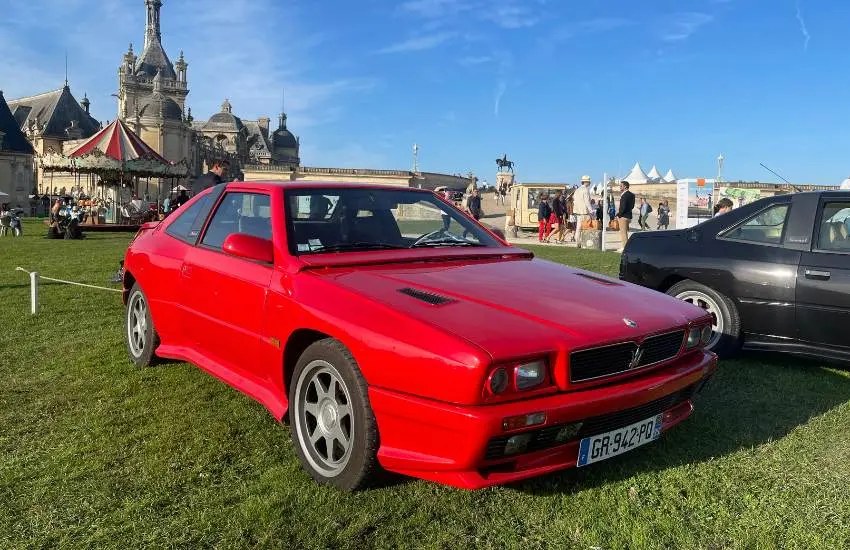
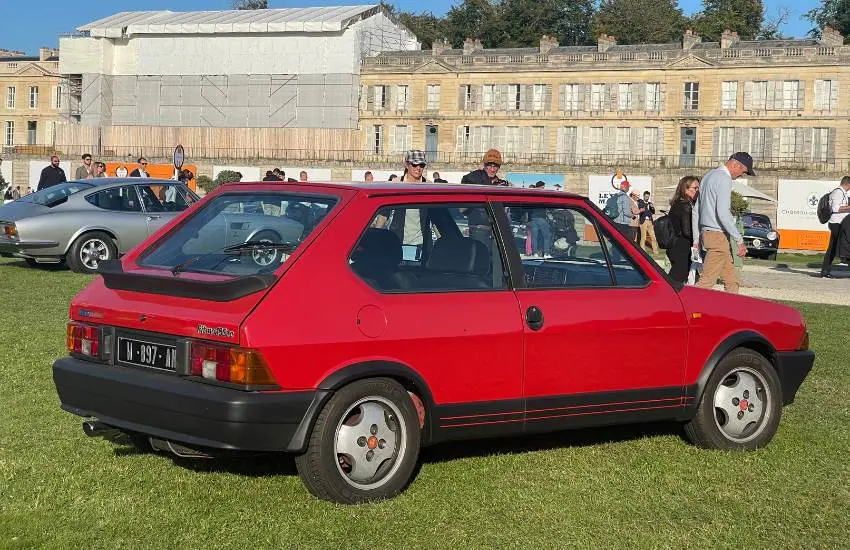
By contrast, cars that are under 30 years old, or those that have been substantially modified from their original specification, are treated as standard imports. In these cases, import VAT is charged at the full rate of 20 per cent, and customs duty is applied at 10 per cent. It is also important to remember that VAT is calculated not just on the purchase price of the car, but on the combined total of the purchase price and the transport costs to the UK, a detail that should be factored into negotiations before committing to a purchase.
Once NOVA clearance has been confirmed, the next step is to apply to register the car with the DVLA. This is done using form V55/5 for used vehicles and must be supported by evidence of the car’s age, such as the original foreign registration document, a recognised dating letter or a manufacturer’s certificate. Where applicable, an MOT certificate will also be required, along with a valid insurance cover note, and payment of the DVLA’s registration fee, which currently stands at £55.
MOT and road tax requirements depend on the age and originality of the vehicle. Cars that are more than 40 years old and have not been substantially modified are exempt from both MOT testing and vehicle excise duty, although they must still be maintained in a roadworthy condition.
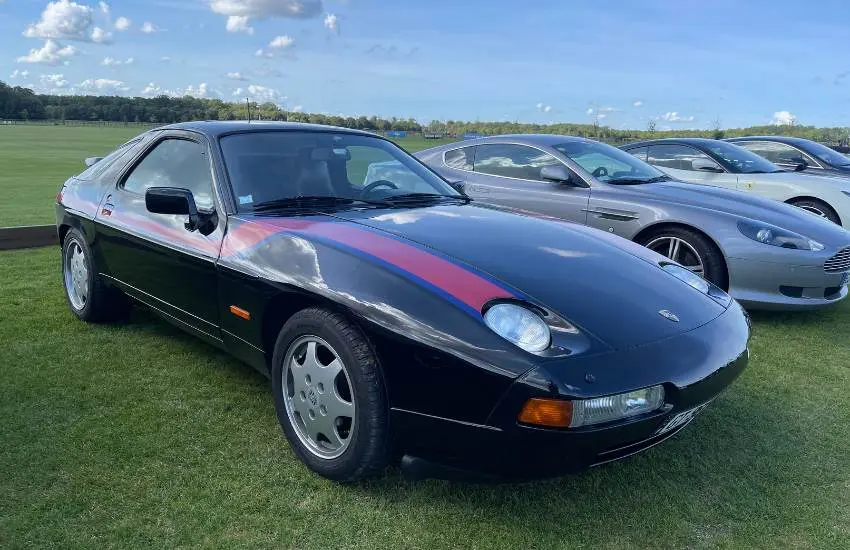
Vehicles under 40 years old must pass an MOT before registration can be completed. Provided all documentation is correct and complete, UK registration plates are typically issued within two to four weeks.
Driving your newly purchased classic back to the UK can be an unforgettable experience, but only if it is approached with proper preparation and realistic expectations. Classic car insurance is the first hurdle to clear. Most UK classic car insurers will offer temporary European cover, often for periods of up to 30 days, but this should always be confirmed before travelling. It is also wise to ensure that European breakdown and recovery cover is included, as the cost and complexity of recovering a classic from the continent can be significant.
Temporary registration plates are another crucial consideration, and requirements vary by country. Germany offers one of the most straightforward systems, with export plates (Ausfuhrkennzeichen) that are well organised, widely recognised and valid across Europe, making them the preferred option for many buyers. France does allow the use of temporary WW plates, but these can take longer to arrange and require careful planning. Italy, by contrast, presents the greatest challenge: export paperwork can be slow, temporary plates are complex to obtain, and the process often proves frustrating without the help of a local agent. Under no circumstances should buyers assume they can drive indefinitely on the seller’s plates, as this can lead to serious legal and insurance issues.
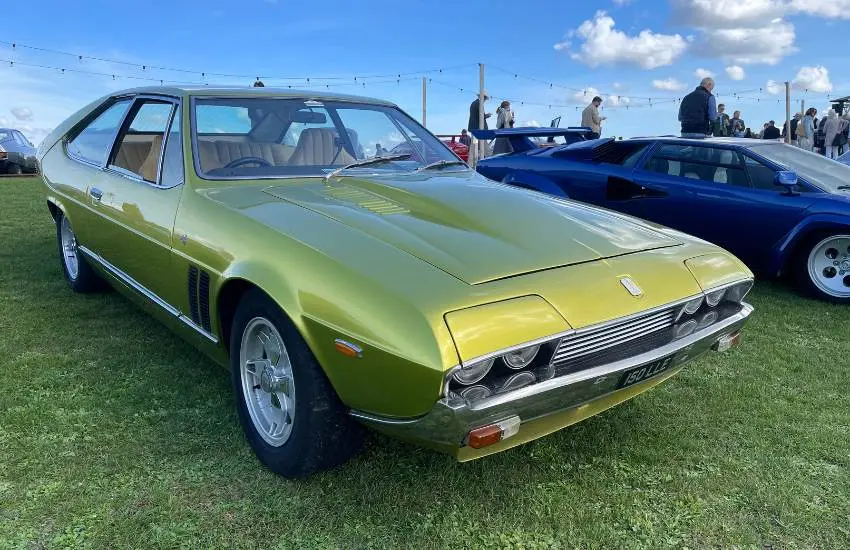
In practical terms, Germany is the easiest and most popular country from which to drive a newly acquired classic back to the UK. The road network is excellent, export systems are efficient and there is a well-established network of classic specialists familiar with international buyers. France is also a viable option, particularly when purchasing from the north of the country, where distances are manageable and procedures are well understood by UK importers, provided paperwork is in order. Italy remains the most demanding proposition: export processes can be slow and regionally inconsistent, making professional transport the safer and often more cost-effective choice unless you are confident navigating Italian bureaucracy – and the language – yourself.
Have you got experience buying classics abroad? Got any tips for fellow enthusiasts? Drop them below.
Classic Car Insurance from Hagerty UK
At Hagerty UK, all our classic car insurance policies are fully comprehensive as standard, which includes agreed value at no extra cost. We are rated ‘Excellent’ on TrustPilot and are trusted by many classic car owners UK-wide to protect their classic cars. Get a quote today.