A story of precision engineering and revs as BMW M straight six engines defined a generation of drivers
There is a particular clarity to a great naturally aspirated straight six at full stretch. Not just noise, not just speed, but a sense of mechanical alignment, as though every moving part has agreed on a single purpose. Few engines capture that feeling quite like BMW’s S50, S52 and S54 series. They do not shout in quite the same way as an Italian V6, but they do something arguably more impressive. They deliver precision with personality.
To understand them, you have to begin with BMW M and its quietly obsessive approach to engineering. Where others might chase outright drama, M has traditionally pursued something more nuanced. Balance, response, repeatability. The idea that an engine should not simply excite but also obey.
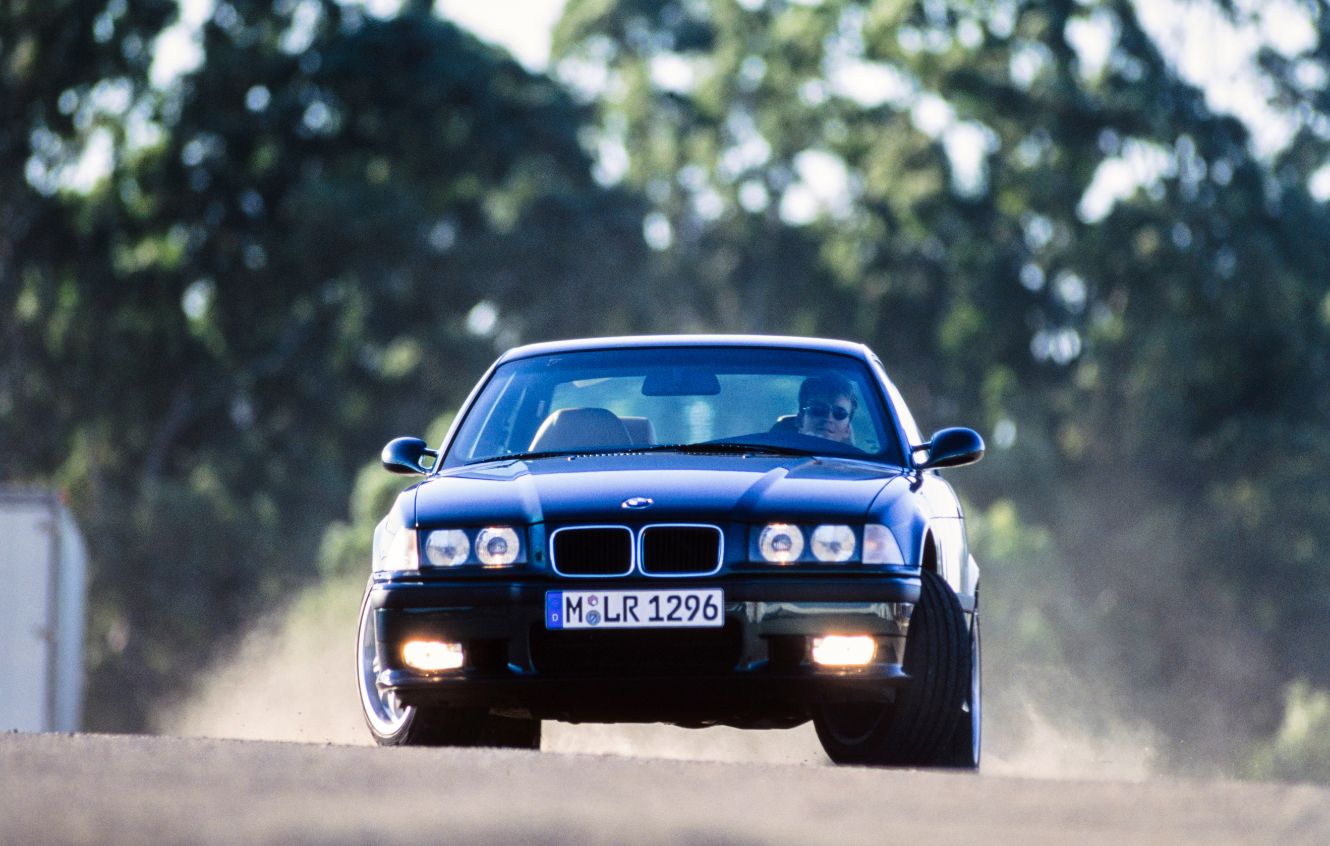
The S50 arrived in the early 1990s as the beating heart of the BMW M3 E36, replacing the more overtly motorsport derived four cylinder of the E30. On paper it looked like a shift towards maturity. A 3.0 litre straight six, smooth, refined, perhaps even a little conservative. And yet, as ever with M, the detail told a different story.
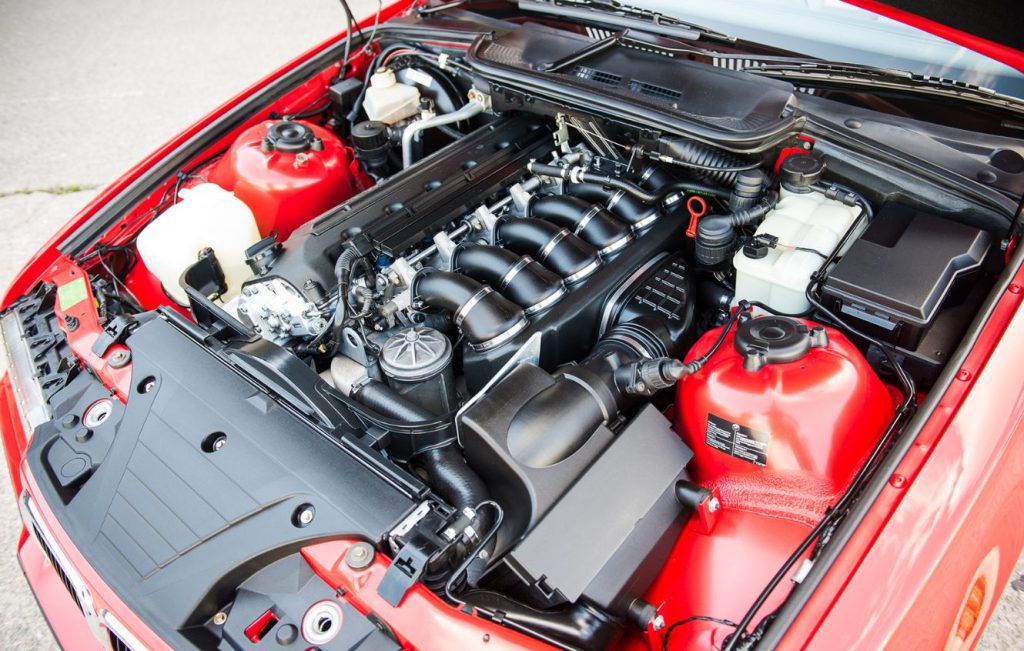
Individual throttle bodies gave each cylinder its own direct supply of air, sharpening response to a degree that felt almost unnatural at the time. Variable valve timing, in the form of BMW’s VANOS system, allowed the engine to alter its character depending on how hard it was being worked. At lower revs it was tractable, almost relaxed. Push it harder and it began to tighten, to focus, to reveal a harder edge.
By the time the S50 evolved into its 3.2 litre form, particularly in European specification, it had become something quite serious. Double VANOS, higher compression, more revs. It was no longer simply a fast road engine but something that hinted strongly at BMW’s touring car efforts. And yet it retained that usability that defined the M3. You could drive it every day, but you never forgot what it was capable of.
Across the Atlantic the story took a slightly different turn with the S52. Installed in North American versions of the E36 M3, it was a more restrained unit. Less exotic in its construction, fewer outright fireworks. And yet it would be wrong to dismiss it. What it lacked in headline numbers it made up for in accessibility. Strong mid range torque, robust reliability, an engine that felt less peaky and more willing in everyday driving. It was, in many ways, a reflection of a different market with different expectations.
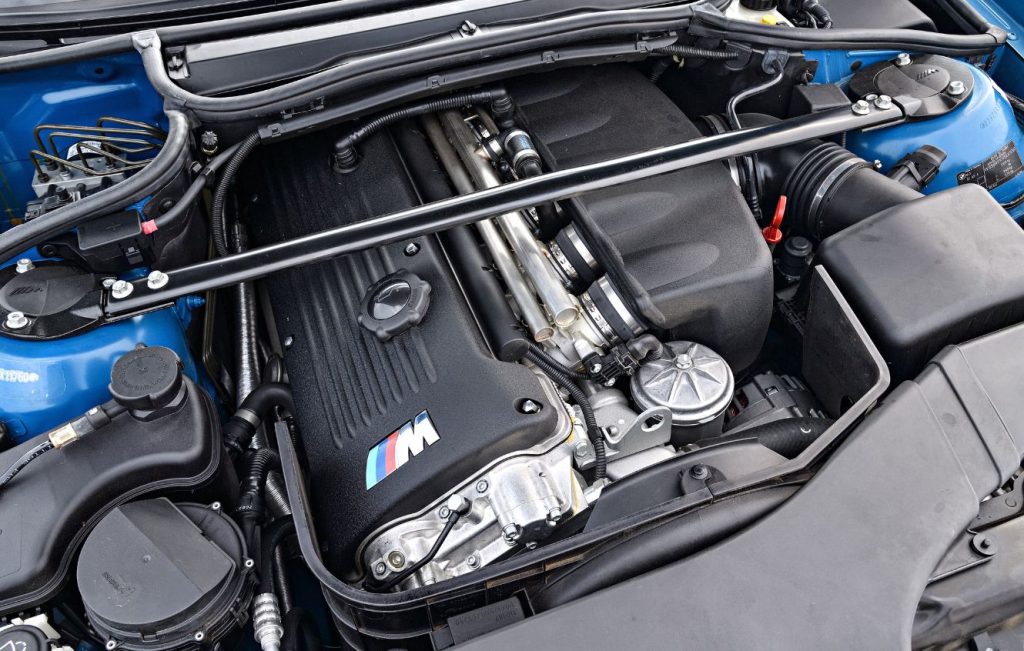
Then came the S54, and with it a sense that BMW M had decided to remind everyone exactly what it could do.
Debuting in the BMW M3 E46, the S54 took the straight six formula and pushed it to its natural limit. 3.2 litres, just over 100 horsepower per litre, and a redline that stretched beyond 8000rpm. These are impressive figures even now. At the time they were exceptional.
But again, numbers only tell part of the story. What defines the S54 is the way it delivers those numbers. There is an immediacy to the throttle, a crispness that makes the engine feel hard wired to your right foot. Below 4000rpm it is composed, almost restrained. Beyond that it begins to build with an intensity that feels properly motorsport derived. By the time you reach the top end it is no longer simply accelerating but charging, each gear shift an event in itself.
It is also an engine that demands respect. Early issues with bearing wear and other well documented quirks mean that ownership is not entirely without risk. But that, in a curious way, only adds to its reputation. This is not an engine that tolerates neglect. It expects to be maintained properly, to be understood.
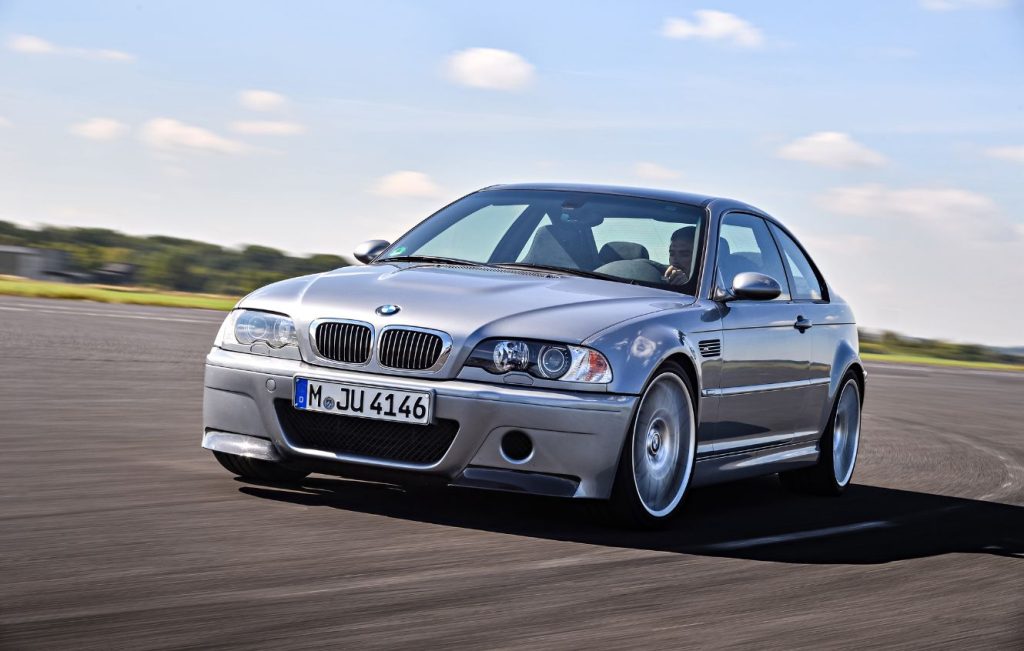
Beyond the M3, the S54 found its way into cars such as the BMW Z4 M and the rare Z3 M models in their later forms. In each case it brought with it that same sense of focus, transforming otherwise competent sports cars into something far more intense.
What links the S50, S52 and S54 is not just architecture but philosophy. All are naturally aspirated straight sixes, all rely on high revs and careful breathing rather than forced induction, and all place a premium on driver engagement. They are engines that reward precision. Get your inputs right and they respond instantly. Be clumsy and they will let you know.
In a modern context they feel almost defiant. Turbocharging has become the default solution for performance, bringing with it easy torque and impressive efficiency. But also, inevitably, a degree of separation. The S50 through S54 series belong to a different era, one where performance was something you worked for, where revs mattered and where the journey to the red line was as important as what happened when you got there.
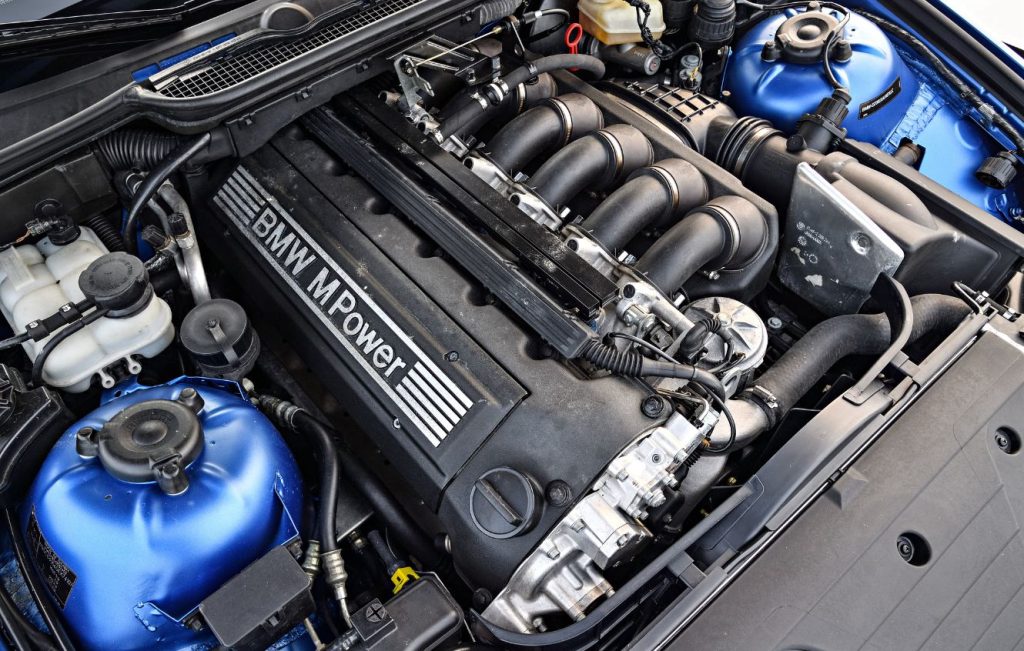
There is also a certain continuity to them. You can trace a clear line from the S50’s relative subtlety through the S52’s accessibility to the S54’s peak intensity. Each represents a response to its time, its market and BMW’s evolving ambitions, yet all feel unmistakably related.
Today they are regarded with a mixture of respect and nostalgia. Not quite as overtly romantic as an Italian V6, perhaps, but no less significant. They represent BMW M at a particular point in its history, when the straight six was still the centrepiece, when engineers were given the space to chase perfection in their own way.
And when you find a quiet stretch of road, let the oil warm through and start to extend it properly, you begin to understand why. The way the engine gathers itself, the clean sweep of the rev counter, the sense that everything is working in precise harmony. It is not theatrical in the same way as some rivals. It is something else.
It is disciplined, exacting and deeply satisfying. Which, in its own way, is just as compelling.
Insure your classic with a specialist insurer
If you’re looking for cover for your pride and joy, why not consider Hagerty UK? Not only are we classic car insurance specialists, but we are enthusiasts at heart. Call us for a quote on 0333 323 1138.