Words and Photography: Roland Brown
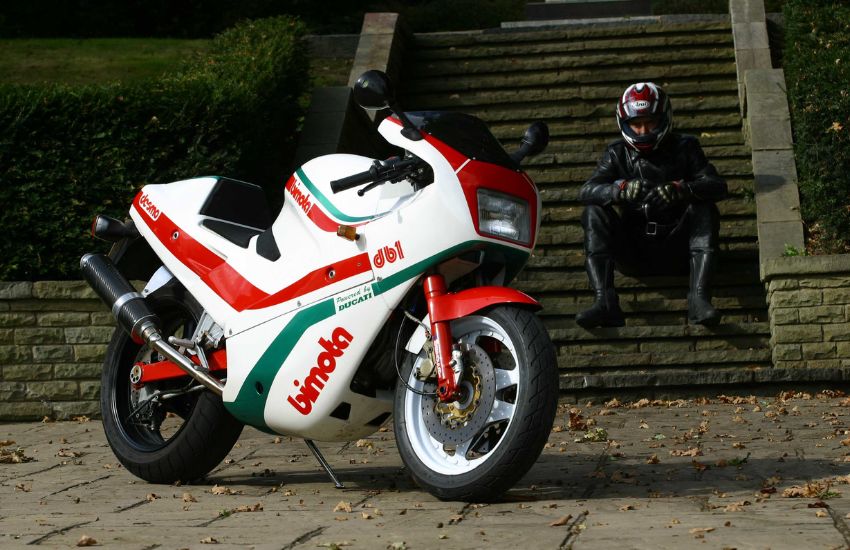
It’s almost 40 years since I first rode a DB1, but memories of that day in spring 1986 remain vivid.
I recall the thrill of riding away from the UK Bimota importer’s Cheshire base for one of the first test rides of the exotic new 750cc V-twin. I remember the exhilaration of flicking the light, responsive Ducati-powered sports bike along twisty, wet roads in the Peak District that morning.
Most of all I’ll never forget my horror, a few hours later, when its throttle stuck open as I shut off and braked for a bend, almost turning that first ride into my last….
The DB1, it transpired, had not been prepared for British weather when assembled at Bimota’s tiny factory in Rimini, on Italy’s Adriatic coast. A mud-flap had been omitted, allowing dirty water to be thrown up to soak the air filter. Eventually a carburettor slide had seized with potentially disastrous result.
Life with a Bimota was not always quite so dramatic (thankfully I narrowly avoided crashing), but tended to be a series of highs and lows. The same was true of the firm’s financial affairs, which were frequently chaotic until Kawasaki became bought a 49.9 per cent stake in 2019.
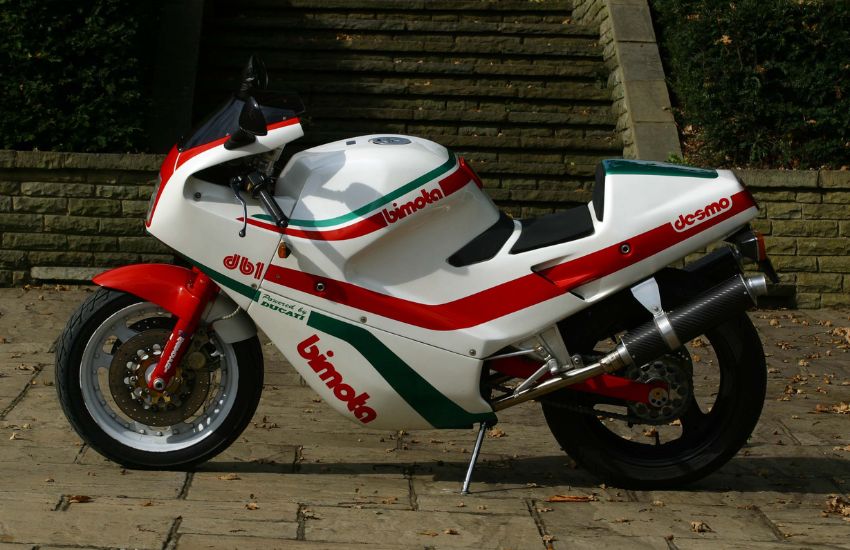
The DB1 – its name signifying the first Ducati-powered Bimota model – had itself survived a difficult gestation. The model had been conceived not as a Bimota but as a Ducati, and had almost been aborted before reaching production.
Both firms were going through difficult periods in the early Eighties. Bimota had forged a reputation for fine-handling sports bikes powered by Japanese engines, after making its name in the Seventies with Grand Prix championship-winning chassis. But the firm was adapting to life without Massimo Tamburini, the design genius who had co-founded it (and would go on to shape the Ducati 916 and MV Agusta F4 750).
Meanwhile Ducati was at a low ebb, having recently been bought by Cagiva, whose bosses Claudio and Gianfranco Castiglioni had inherited a factory whose production had fallen below 2000 bikes. Keen to expand the model range quickly, the Castiglionis commissioned Bimota to develop a sports bike around Ducati’s 748cc aircooled V-twin engine.
Bimota’s new chief engineer Federico Martini took charge of the design. His prototype held the V-twin unit in a steel trellis frame, tightly enveloped in a curvaceous one-piece fairing and seat unit.
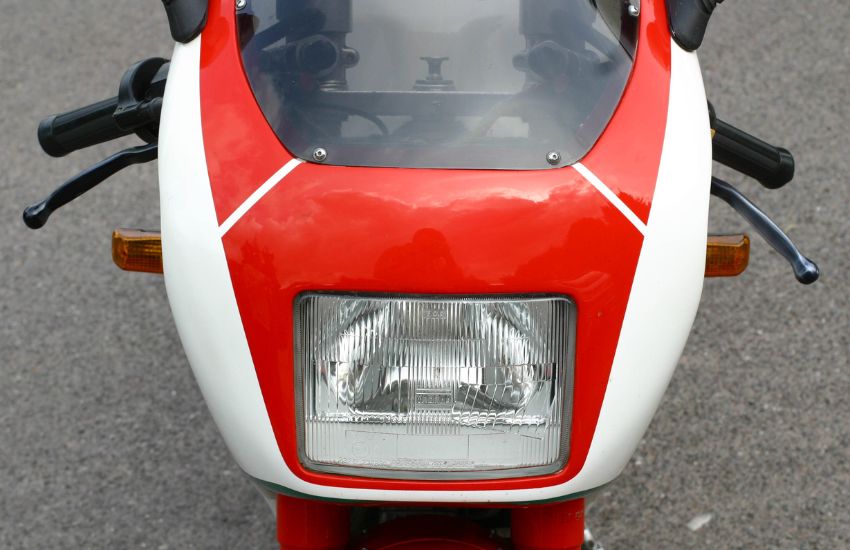
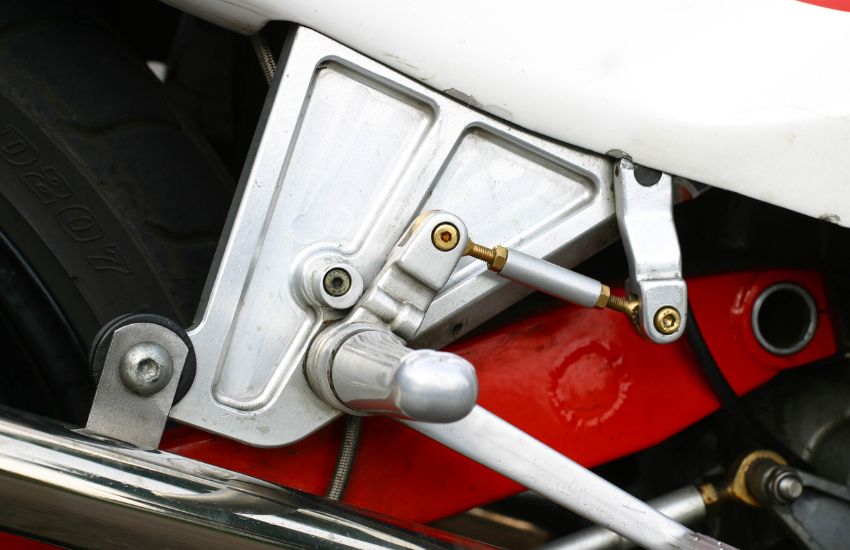
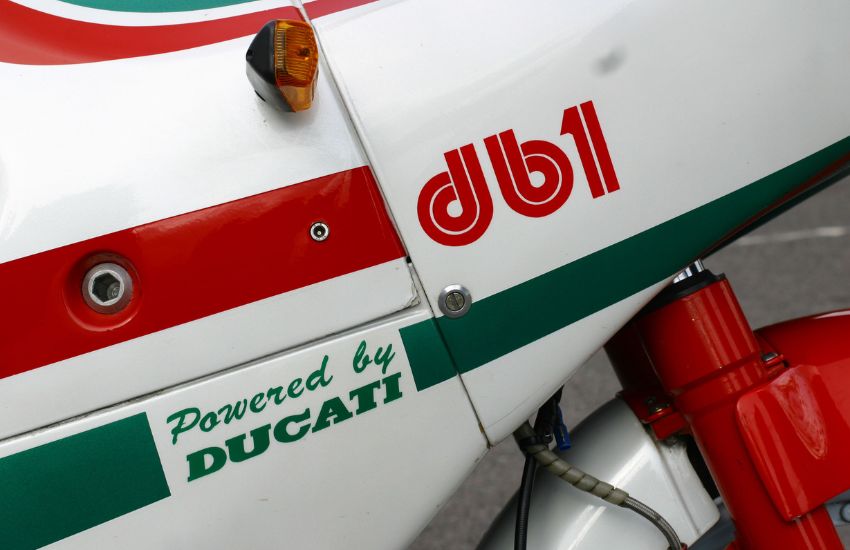
The look was undoubtedly bold – too bold for the Castiglionis. They didn’t like it and cancelled the Ducati project, despite reportedly having already paid Bimota half the development fee up front.
The V-twin might have died right there, but Martini and Bimota co-founder Giuseppe Morri didn’t give up. Morri went back to Cagiva and offered to refund their deposit in exchange for rights to the design, and a supply of engines. The Castiglionis agreed, and the bike was duly unveiled in 1985 as the Bimota DB1.
The objections of Claudio Castiglioni, in particular, to the design remain baffling, given that he so often showed sound judgement in a career that included reviving both Ducati and MV Agusta. Perhaps Martini’s design was simply too radical, with its all-enveloping bodywork (although Tamburini, having joined Cagiva, soon embraced full enclosure with the Ducati Paso and Moto Morini Dart).
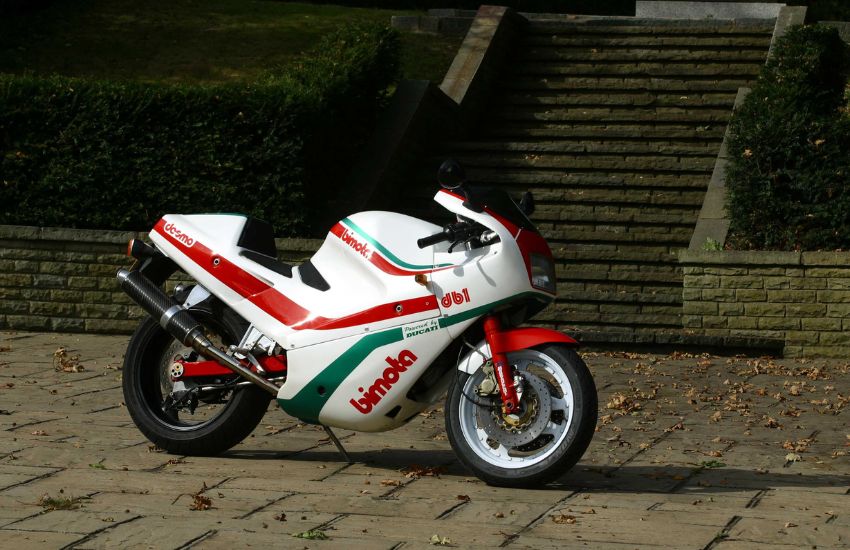
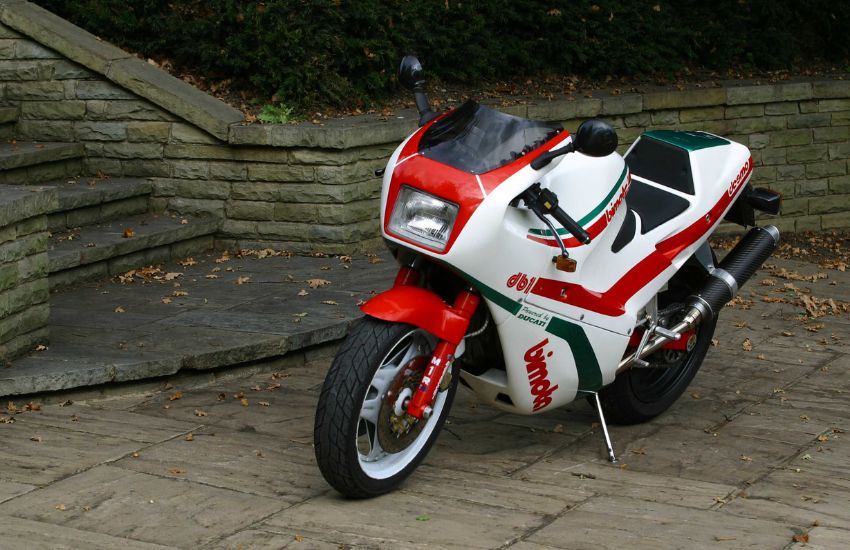
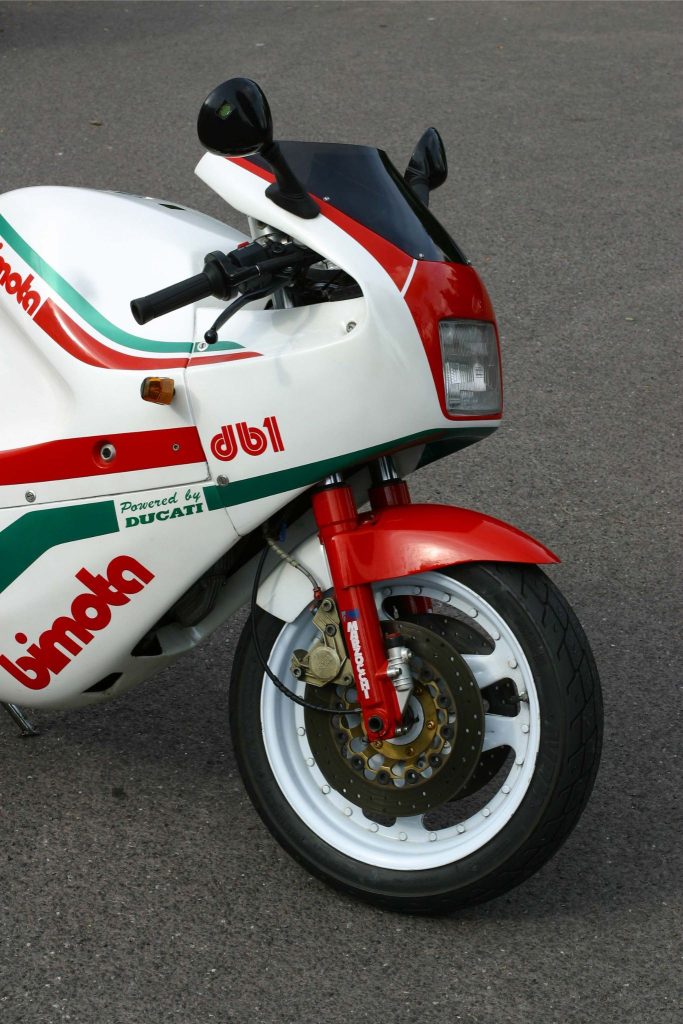
The DB1 was certainly innovative. Its bodywork comprised two large pieces of intricately curved glass-fibre which fitted around the engine and frame. One arched over the bulbous fuel tank before coming down to act as both seat and tailpiece; the other clipped on underneath to complete a unique and eye-catching shape.
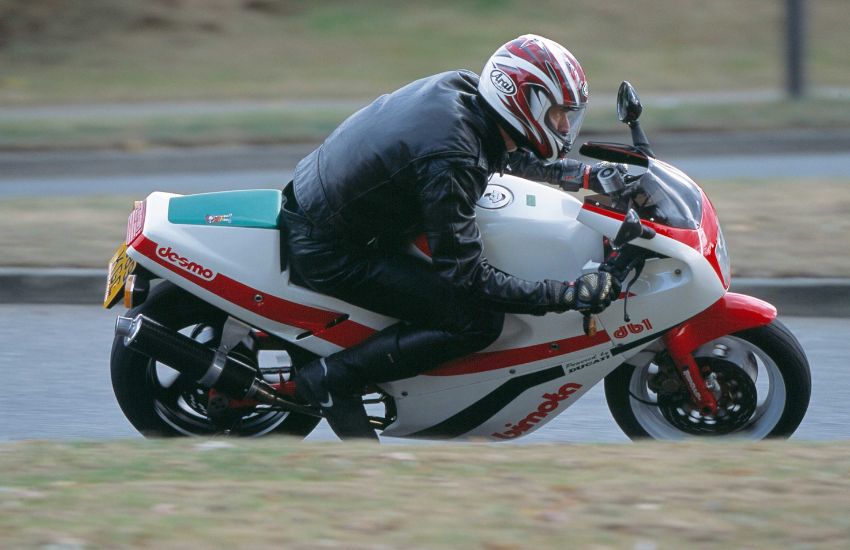
Removing the bodywork required undoing four big bolts, plus half a dozen quick-release fasteners and a handful of wiring connectors. A few more screws allowed the nose fairing to be removed. The scarlet trellis frame, which comprised short, straight sections of chrome molybdenum steel, used the engine as a stressed member.
The aircooled V-twin powerplant, shared with Ducati’s 750 F1 sportster, featured an sohc, two-valves-per-cylinder desmo valve arrangement, with camshaft drive by toothed belt. Bimota kept it internally standard, retained the 36mm Dell’Orto carburettors and fitted its own twin-pipe exhaust system. Claimed maximum output was 76bhp at 9000rpm.
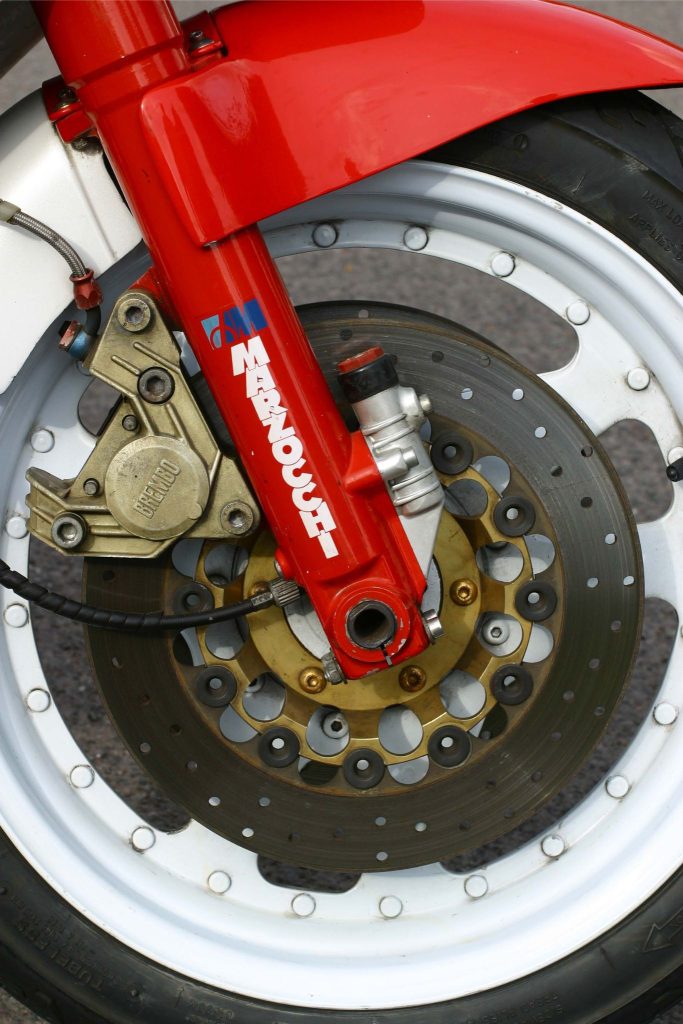
If that was modest even at the time, Bimota’s chassis was contrastingly extravagant. Components including the triple clamps and footrests were machined from Avional 14, a lightweight aluminium alloy. The forks were 42mm Marzocchis, huge at the time, with four-way compression damping adjustment on the right leg. Unique aluminium clutch and front brake master cylinders sat on top of the fork stanchions.
The rear shock was a vertically placed Marzocchi with adjustable rebound damping, set by a remote knob on the box-section steel swing-arm. The front brake comprised big fully-floating discs gripped by Brembo’s top-of-the-range Gold Line calipers. Wheels were Bimota’s own glued-and-riveted six-spoke design in 16-inch diameters, fitted with Pirelli’s latest low-profile radials.
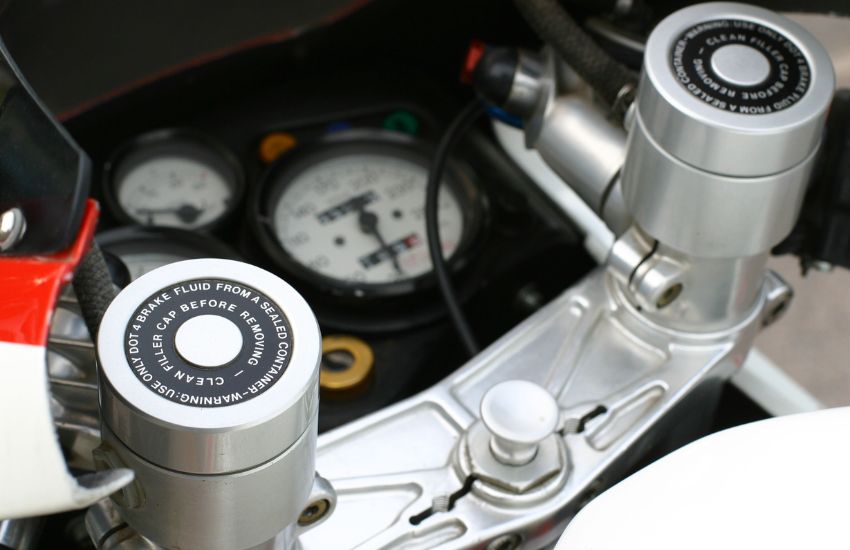
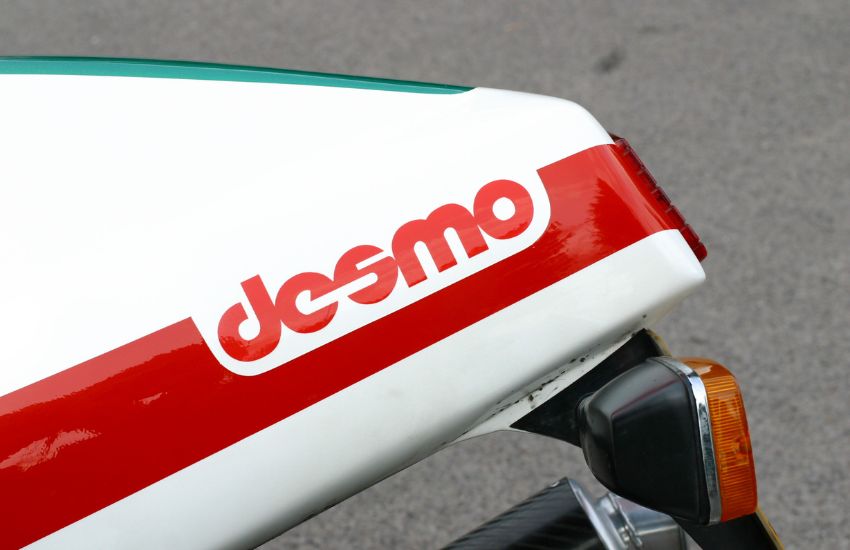
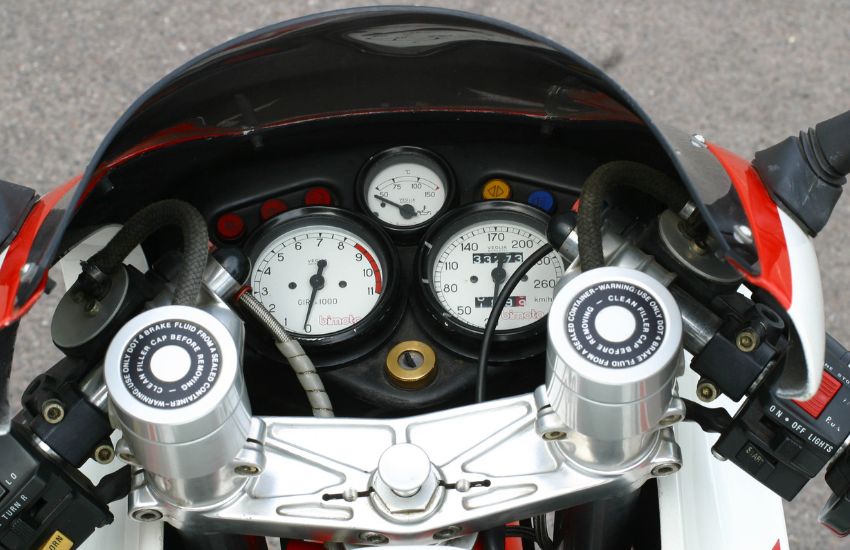
The result was a remarkably small, light and racy bike: with a claimed dry weight of 161kg and wheelbase of 1380mm, the Bimota DB1 was 20mm shorter and 14kg lighter than the 750 F1, itself a notably simple and pure-bred machine. The Bimota had low, clip-on handlebars, rearset footrests, a thinly padded seat and firm suspension.
All in all it felt more like a 250cc racebike than a superbike. That made it quick and fun on a twisty road, even when the surface was wet, as it often was during my week’s test in 1986. Once the carburettors had been cleaned and rebalanced the power delivery was crisp, and backed up by a seductive bark from the pipes.
The softly tuned engine pulled in very linear fashion, revving towards its 8500rpm redline and a top speed of about 125mph. Plenty of bikes were faster but the Bimota’s light weight contributed to its lively feel in a straight line, as well as to its outstanding cornering and braking ability.
Back then I was hugely impressed by the DB1’s style and agility, if less so by its wrist-punishingly firm ride. Its straight-line performance was unremarkable but there was something magical about the diminutive Bimota.
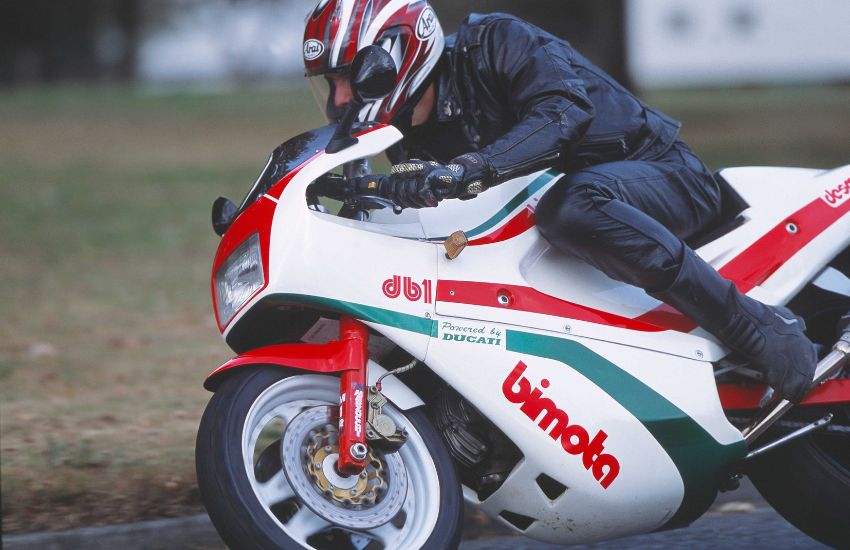
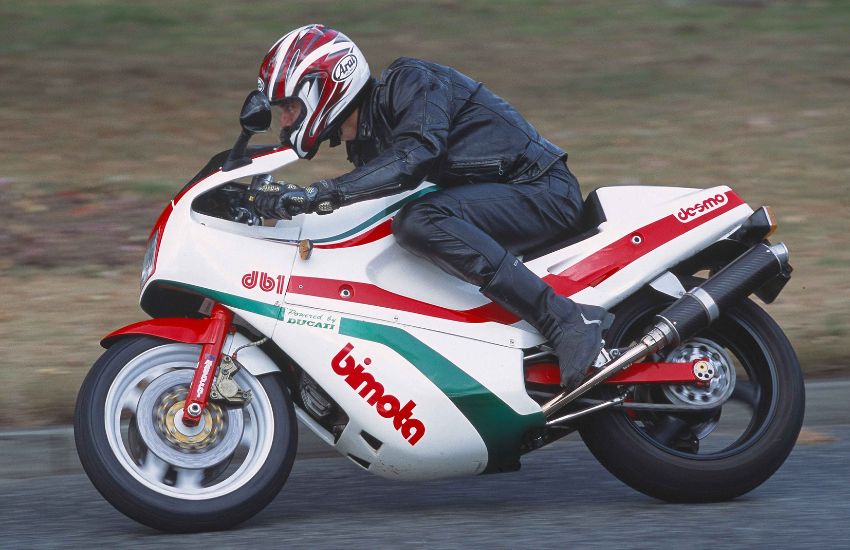
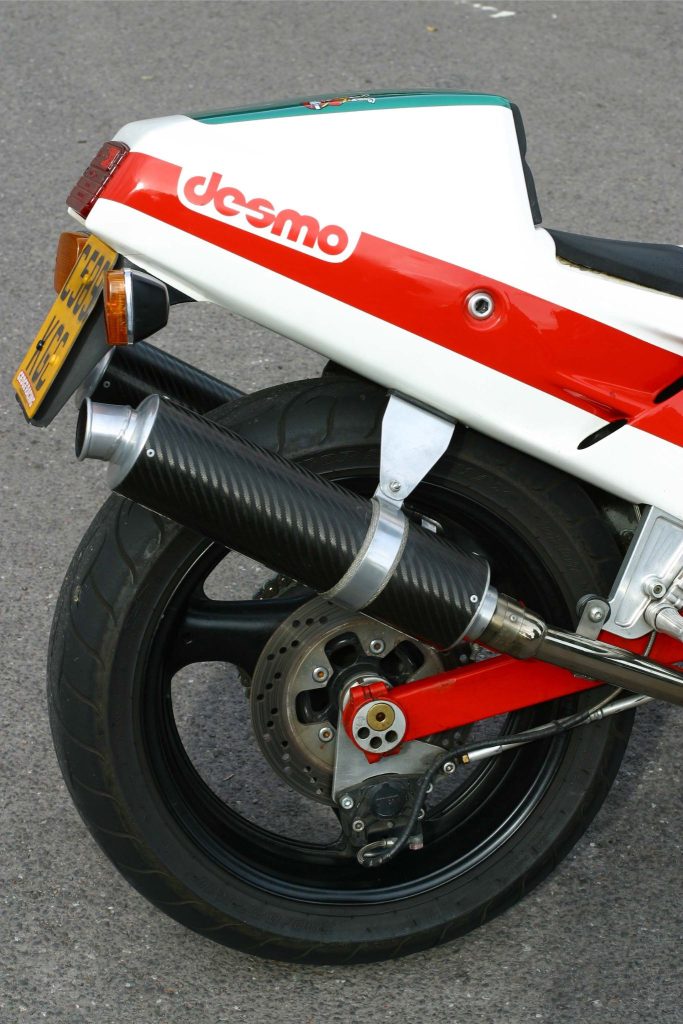
Many years later it was a thrill to ride one again, especially as it was an example in excellent condition, its bodywork marred only by a small sticker on the tailpiece, presumably covering a mark in the pearl-white paint. Blessed by fine weather this time, I enjoyed the DB1 more than I had when it was new.
This bike’s only notable deviation from standard was a pair of carbon-fibre silencers, which gave a gorgeously mellow note as I fired up the motor and headed off in search of open road. Thankfully the Dell’Orto carbs stayed free of grit this time, and delivered a sweet response to a twist of the relatively long-action throttle.
Low-rev response was typically lumpy, but the motor soon smoothed to give a strong surge of acceleration. The Bimota sounded and felt superb as it growled forward, picking up speed through the reasonably slick five-speed gearbox.
The Bimota DB1 also impressed with the way that it could be flicked around given light pressure on the clip-ons. Its rear suspension was notably softer than that of the bike I rode all those years ago, and ride quality better. I was glad that the bike felt more comfortable than I recall it doing back then, despite the racy riding position and roads that were far from smooth.
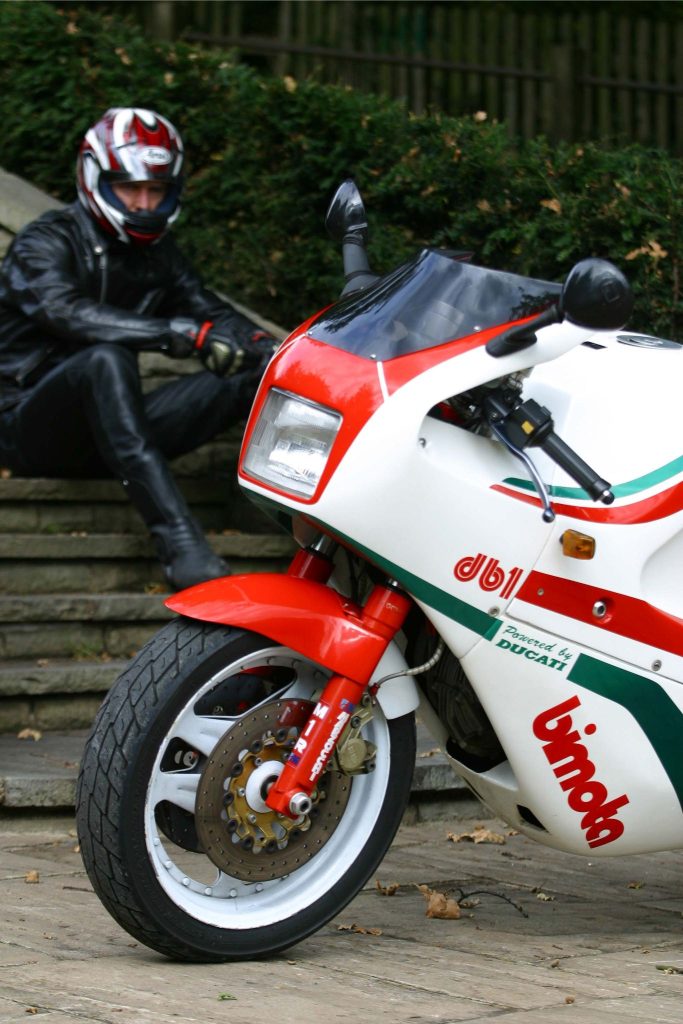
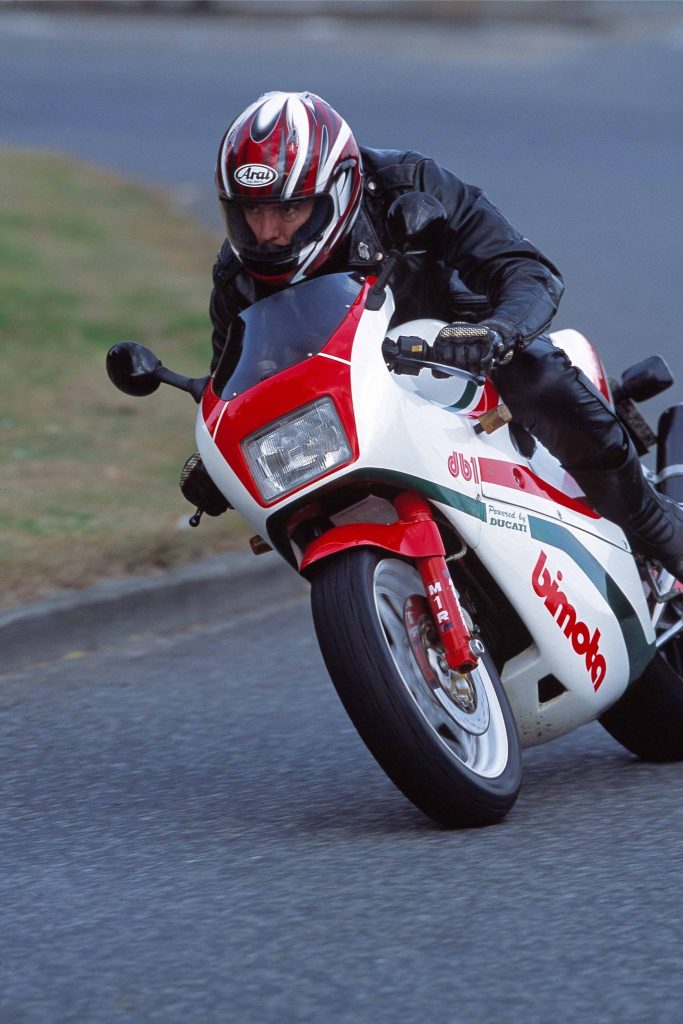
Straight-line stability was predictably excellent and the bike held its line well through high-speed curves, too. But the Bimota’s handling at lower speeds wasn’t all it should have been, as there was a twitchiness in corners that I hadn’t encountered on my previous ride.
The culprit was the rear tyre, which was wider than the original, as well as being 17 inches in diameter instead of the original 16in. A previous owner had fitted the larger-diameter wheel due to problems obtaining a suitable tyre of the original size.
Back in 1986 there were no such issues. The main drawback facing a prospective DB1 owner was the hand-built Italian machine’s price: at £7495 it was 40 per cent more expensive than the 750 F1, and cost twice as much as Suzuki’s new GSX-R750.
This did not prevent the DB1 from being a vital hit for Bimota. It was produced for the rest of the decade, selling a total of more than 650 units to become one of the little Rimini firm’s most popular models.
Along the way there were several spin-offs, starting with the DB1 S, whose larger carburettors added a little performance. By 1989 the DB1 SR featured even bigger, 41.5mm Dell’Ortos plus hot cams, high-compression pistons and a new exhaust that lifted peak output to 82bhp.
The compact DB1 was especially well received in Japan; Bimota even built a special DB1 J model with a 400cc engine for that market. Most exotic of all were the dozen or so DB1 R racebikes, featuring tuned, 92bhp engines, no roadgoing equipment and dry weight of just 134kg.
By the time a small batch of DB1 SR Series Finale models rolled off the Rimini assembly line in 1990, Bimota had launched a new generation of Yamaha-engined, four-cylinder YB4 and YB6 superbikes, and had won the Formula One world championship with a 750cc YB4ie ridden by local hero Virginio Ferrari.
Along with some outstanding sports bikes, there would be more financial dramas to come; this was Bimota, after all. But the little Ducati-engined DB1, rejected by its instigators and almost abandoned before birth, had helped one of motorcycling’s most glamorous manufacturers survive a dark period to begin the Nineties with its prospects transformed.
What are your thoughts on the Bimota DB1? We’d love to hear from you in the comments below.