Words: Nathan Chadwick
Photography: Manufacturers
There is a distinct, undeniable magic to the Italian sports saloon. While the Germans spent the latter half of the 20th century perfecting the art of clinical, autobahn-crushing efficiency, the Italians took a different route. They built four-door family cars that felt like sports cars in disguise. They gave us engines that fizzed, howled and sang, steering that whispered secrets from the tarmac, and styling that made you look back every single time you parked.
Yes, they might occasionally ask more of your patience than an equivalent BMW or Mercedes-Benz, but the emotional payoff is unparalleled. Armed with a budget of £25,000 and the latest data from the Hagerty UK Price Guide, we’ve selected five of the most beguiling Italian sports saloons from 1960 to 2005. Best of all? You can put one on your driveway with plenty of change left over for the inevitable maintenance fund.
1. Alfa Romeo 1750 Berlina (1968 to 1971)
Why it’s great
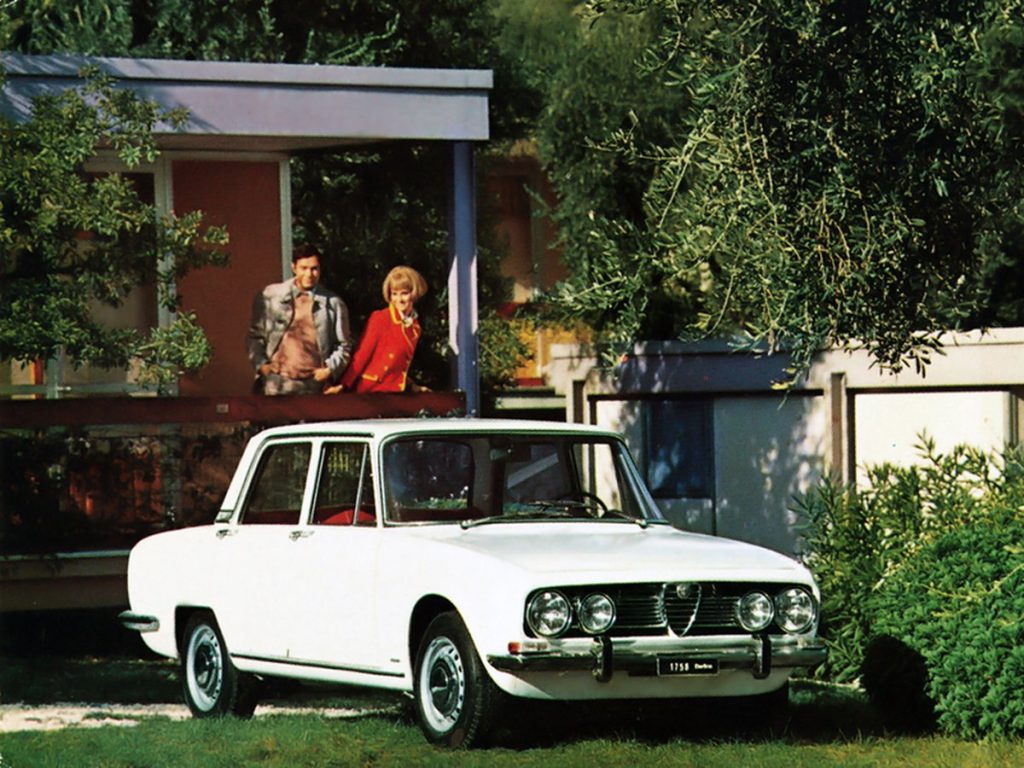
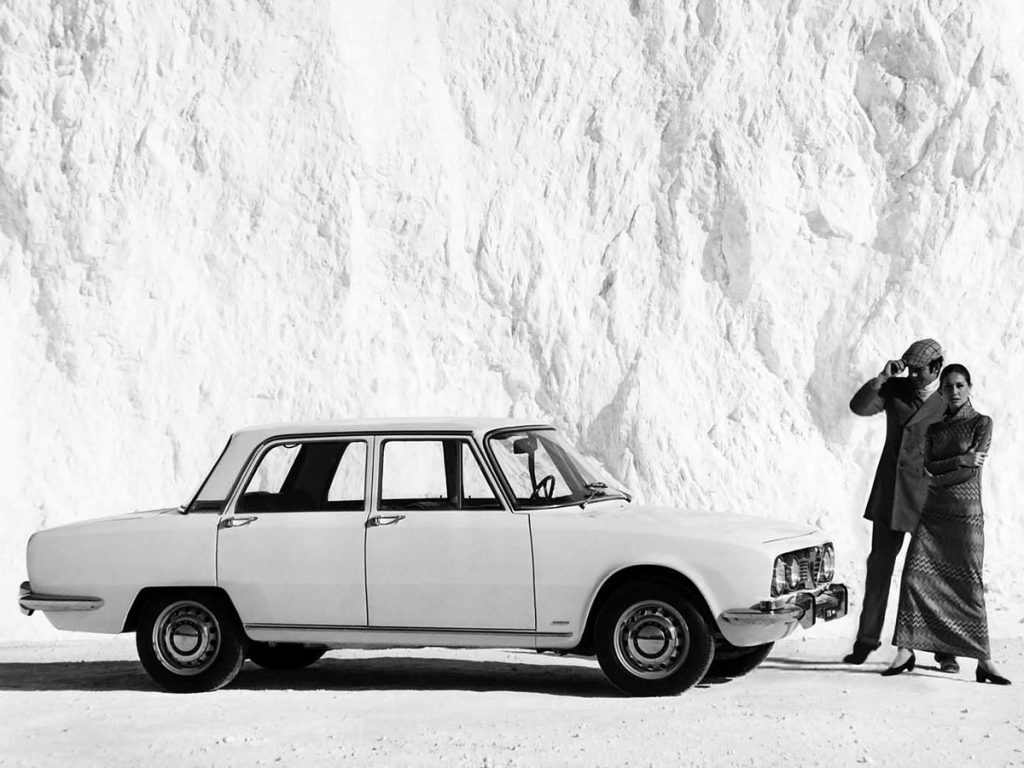
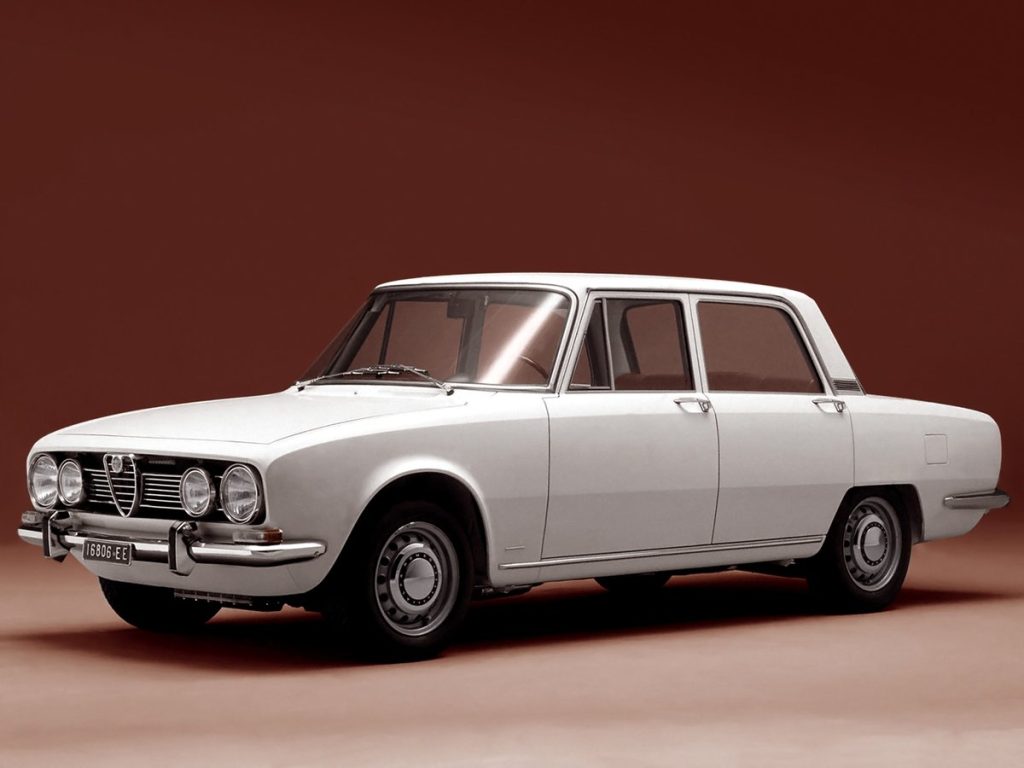
When people talk about classic Alfa Romeos, they usually gravitate towards the slinky 105-series GTV coupés or the delicate Spiders. But if you want the purest distillation of Alfa’s dynamic brilliance in a practical package, you need the 1750 Berlina. Designed by Bertone, it’s a masterclass in understated elegance. Underneath that boxy, glass-heavy silhouette lies the legendary twin-cam engine, bumped up to a torquey 1779cc. The chassis feels astonishingly alive, its steering is quick-witted and communicative, allowing you to string together B-road corners with a fluidity that shames cars built three decades later. Currently sitting around £15,000 to £20,000 for a well sorted example, it’s the thinking enthusiast’s classic Alfa.
What to look out for
Rust. It’s a 1960s Italian car, so corrosion is your primary enemy. Inspect the sills, jacking points, floorpans and the bottoms of the doors with absolute scrutiny. Mechanically, the Nord twin-cam is robust if serviced regularly, but listen out for timing chain rattle. The five-speed manual gearbox is a joy, but second gear synchromesh is notoriously fragile. If it crunches when shifting up from first, budget for a rebuild. Make sure the twin Weber carburettors are properly balanced, too.
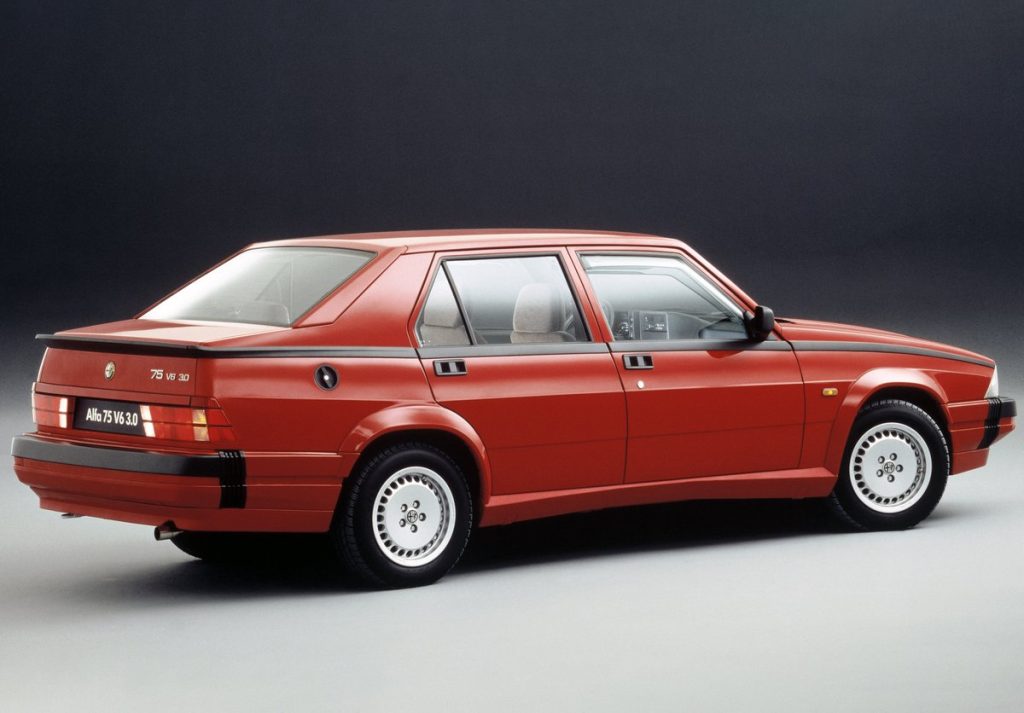
2. Alfa Romeo 75 3.0 V6 (1987 to 1992)
Why it’s great
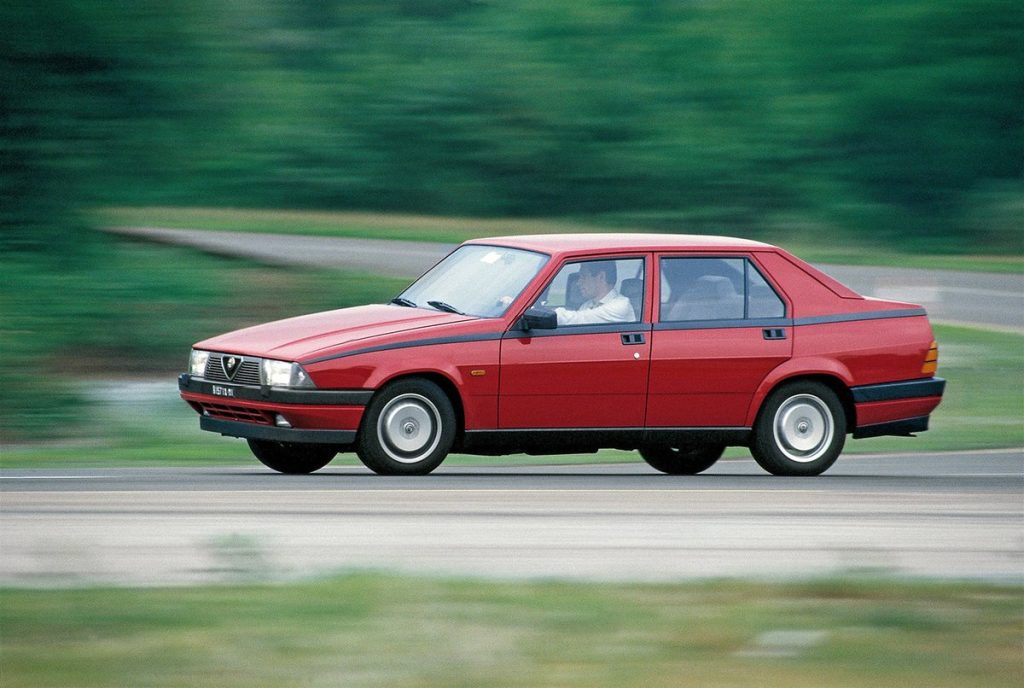
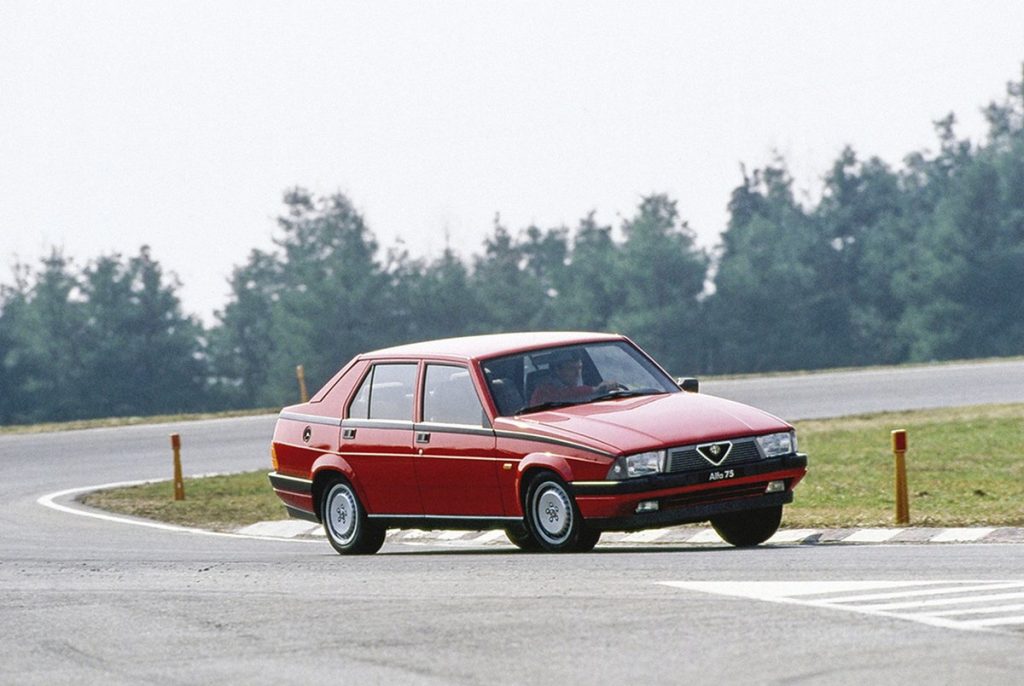
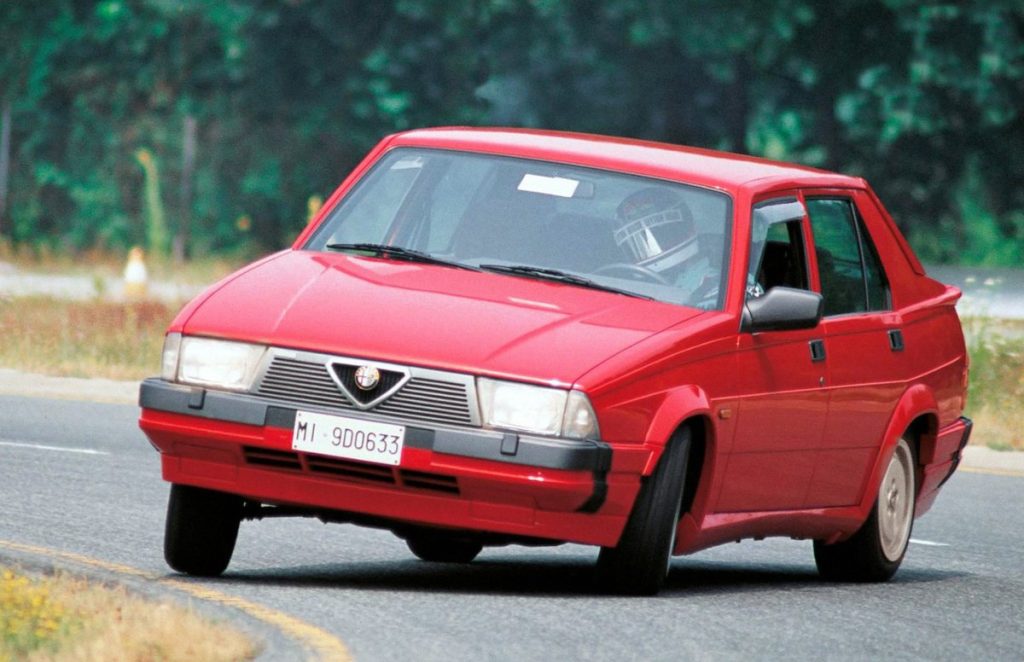
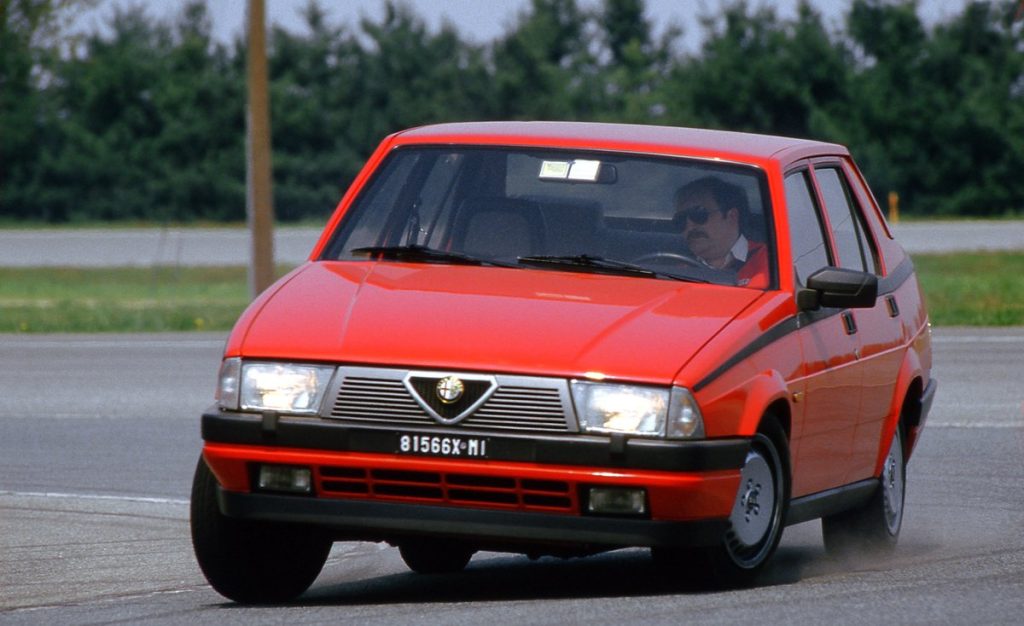
The 75 is a glorious, wedge-shaped monument to the end of an era. It was the last car engineered by Alfa Romeo before Fiat took the reins, and it boasts a mechanical layout that purists adore: a front mounted engine, a rear mounted transaxle gearbox and inboard rear brakes. This gave the 75 a near perfect 50:50 weight distribution. In 3.0-litre Busso V6 guise, it is an absolute hooligan in a tailored suit. The engine note is a sonorous, metallic howl that swells beautifully past 4000rpm, and the rear-drive chassis balance is genuinely playful. At around £13,000 to £16,000, it is peak Radwood-era cool.
What to look out for
That transaxle layout brings complexity. The propshaft spins at engine speed and features three rubber doughnuts or couplings. If they perish or the shaft becomes unbalanced, you’ll feel a harsh vibration through the cabin. The inboard rear brake calipers are difficult to access and prone to seizing, so check for a spongy pedal or a binding handbrake. The gear linkage, running the length of the car, can feel imprecise if the bushes are worn. Cosmetically, check the rear wheel arches and boot floor for rot, and expect the headlining to be sagging.
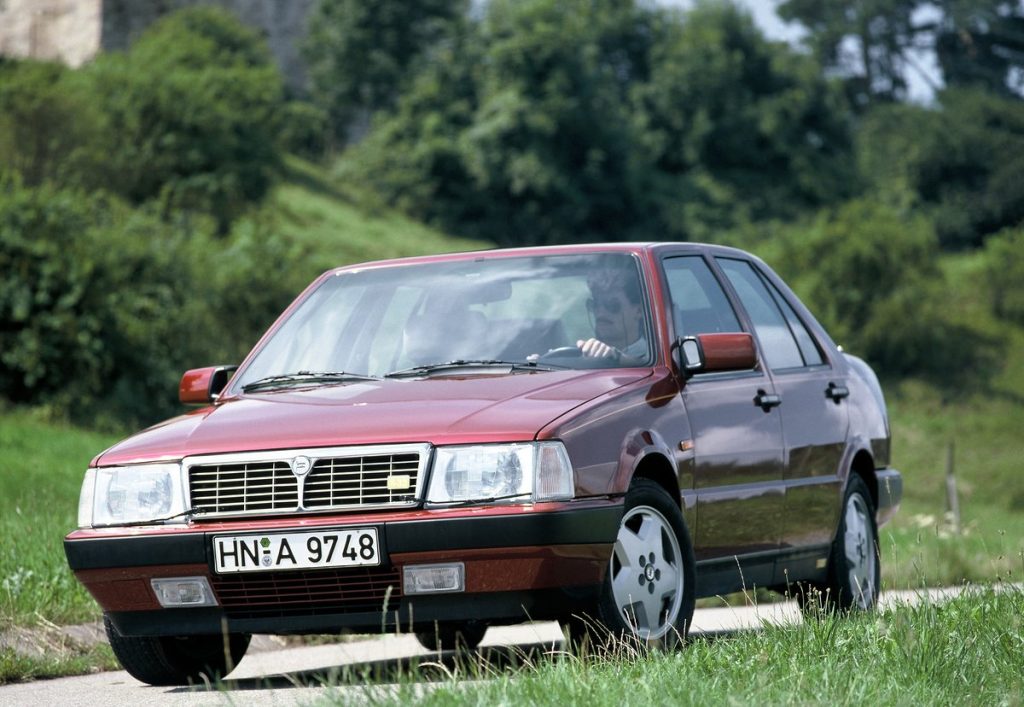
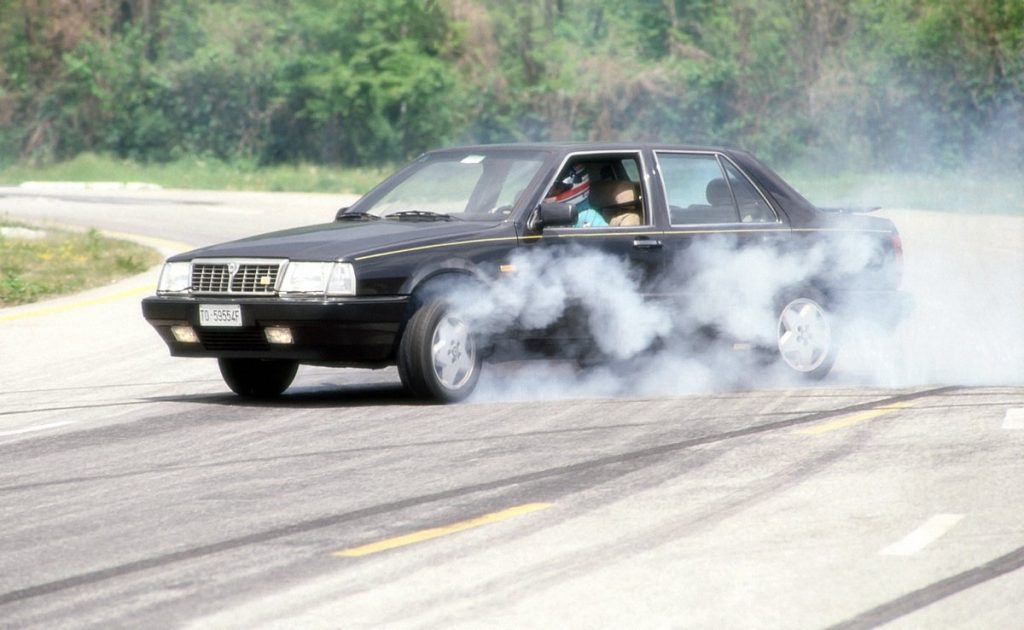
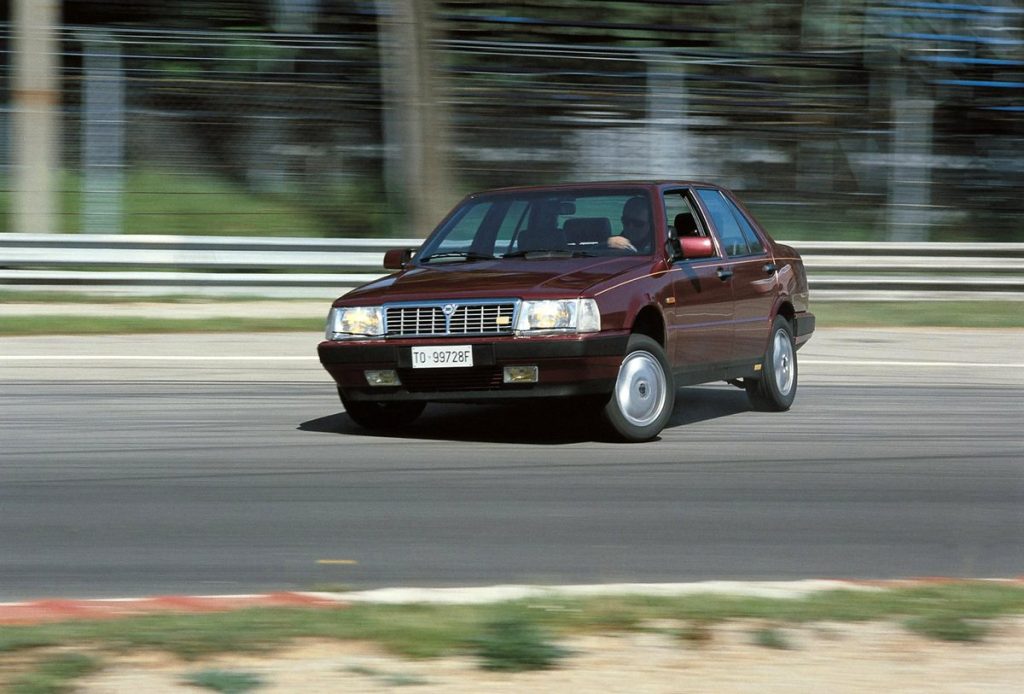
3. Lancia Thema 8.32 (1986 to 1992)
Why it’s great
If ever there was a car that defined the term Q-car, it’s the Lancia Thema 8.32. To the uninitiated, it looks like a subtly beefed-up executive saloon. Under the bonnet lies a 2.9-litre, 32-valve V8 derived from the Ferrari 308. Lancia replaced Ferrari’s flat-plane crank with a cross-plane item to improve refinement, but it still delivers unmistakable Maranello character. Inside, it’s a sanctuary of Poltrona Frau leather and wood. There is also the electronic rear spoiler that rises from the boot lid. Excellent examples sit comfortably in the £15,000 to £20,000 range.
What to look out for
Maintenance is expensive if neglected. The timing belts on the Ferrari-derived V8 require replacement every three years or 30,000 miles. This is often an engine-out procedure, although some specialists can complete the work in situ. The 8.32 also featured electronic suspension, which is often replaced with standard Thema components. Check for warning lights if the original system remains. Electrical faults are common and specific trim parts are difficult to source. Buy the best maintained example available with a comprehensive history.
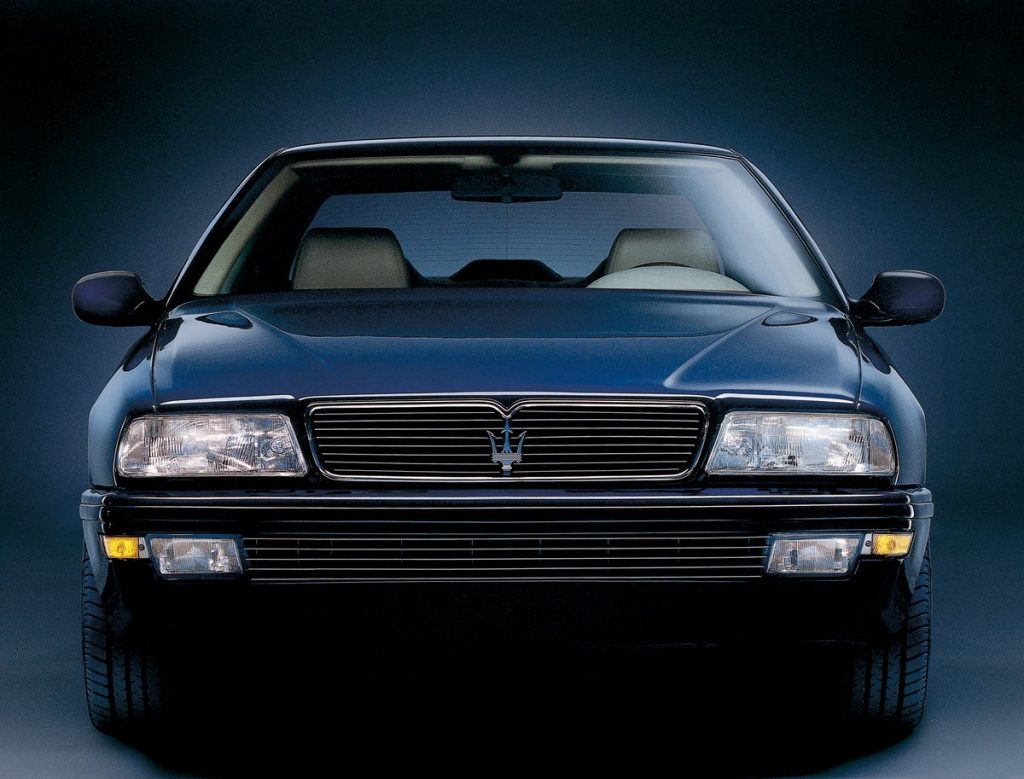
4. Maserati Quattroporte IV (1994 to 2001)
Why it’s great
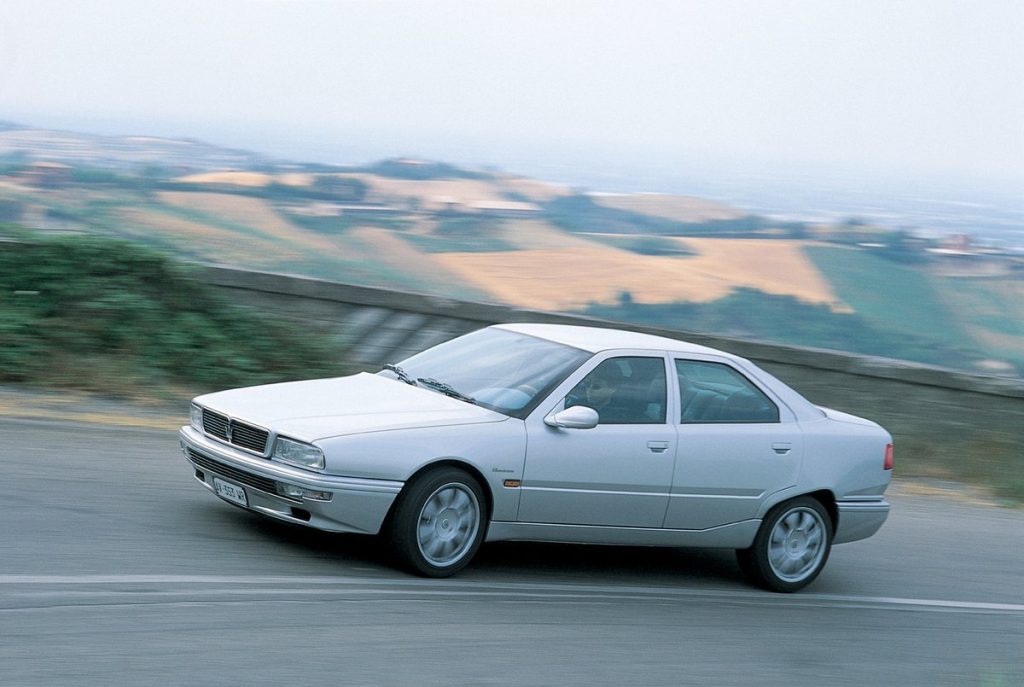
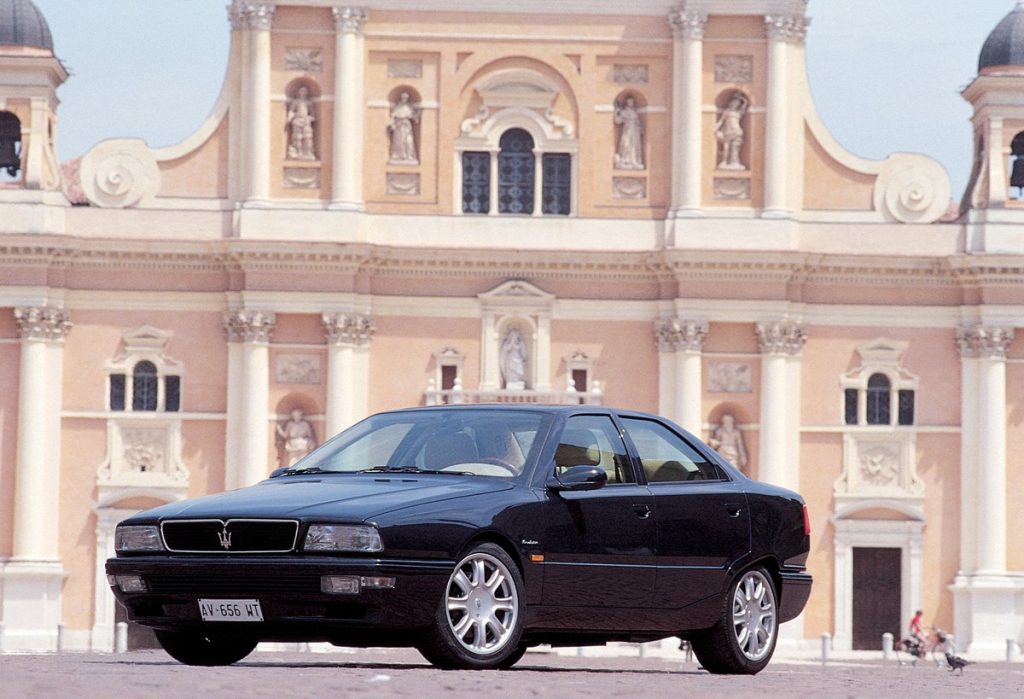
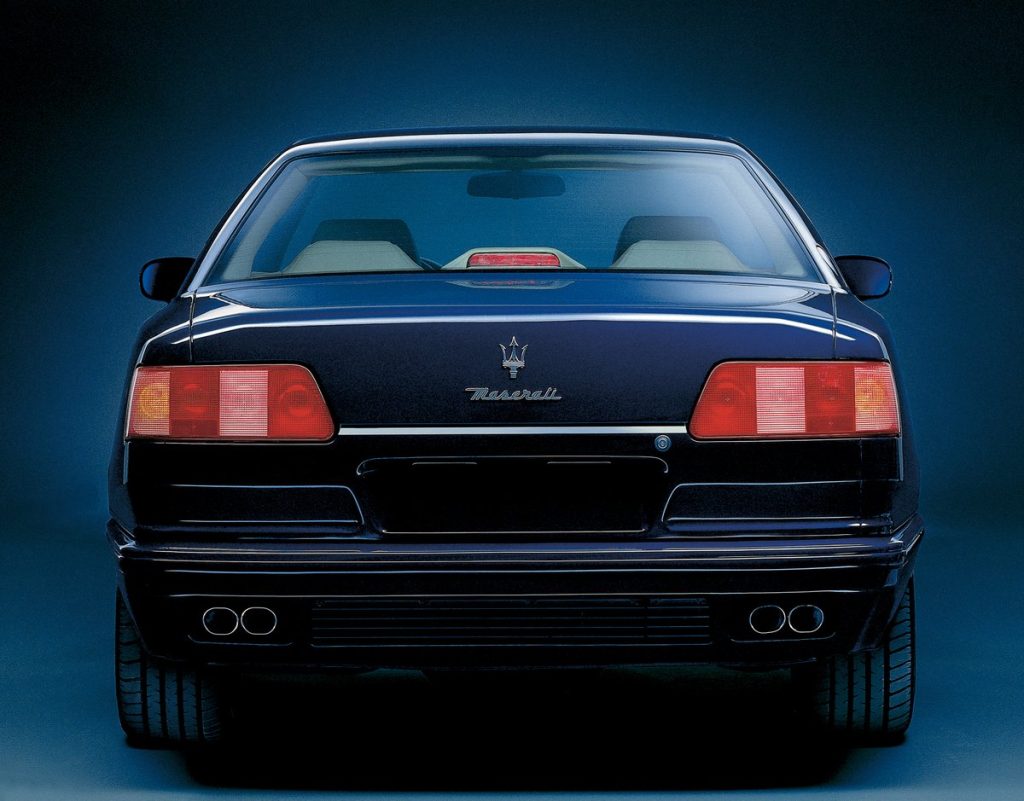
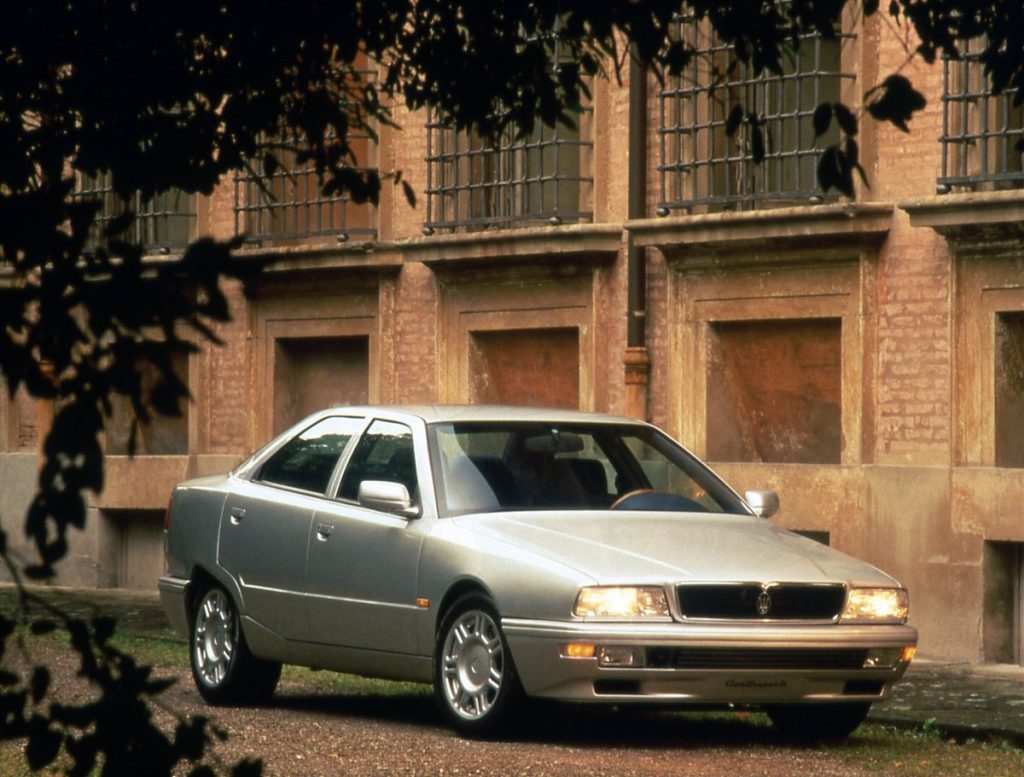
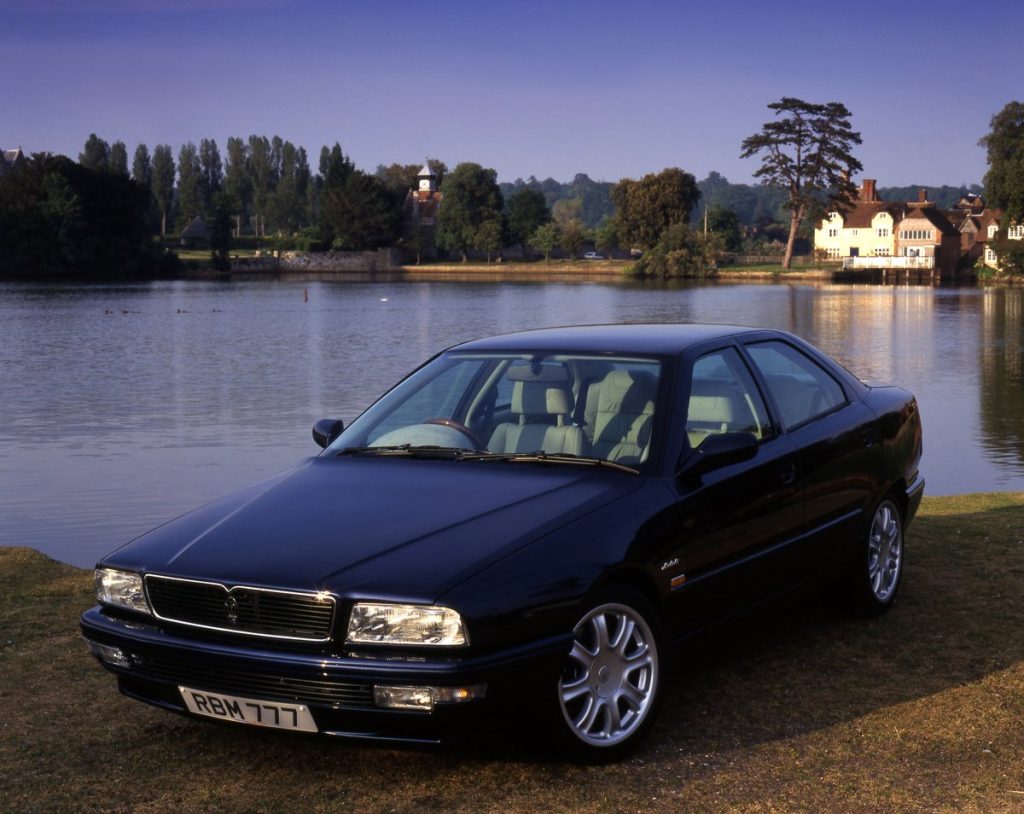
Marcello Gandini’s signature rear wheel arch defines the Quattroporte IV. It is a compact and muscular car that incorporates the drivetrain of the Ghibli into a four-door body. The 2.8-litre twin-turbo V6 delivers strong performance, while the later 3.2-litre twin-turbo V8 Evoluzione models offer significantly greater pace. There was also an Italy-only 2.0-litre V6 too. Power delivery is characteristic of the period, with a pronounced turbocharged surge. Values remain accessible, with V6 cars typically between £10,000 and £15,000 and V8s below £20,000.
What to look out for
Major costs are associated with deferred maintenance and complex electronics. On V8 models, timing chain noise at start-up may indicate worn components. V6 engines require regular cambelt replacement. The twin IHI turbochargers can show signs of wear if poorly maintained. The adjustable damping system may trigger warning lights if faulty, and replacement components can be difficult to source. Although build quality improved significantly after 1998, corrosion should still be checked at the wheel arches and jacking points.
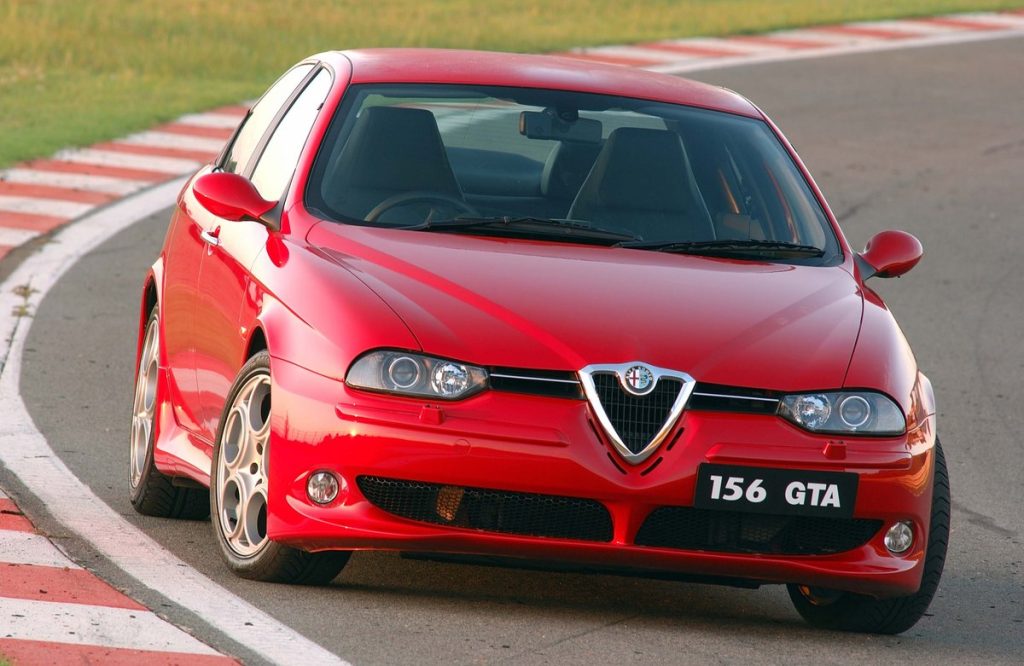
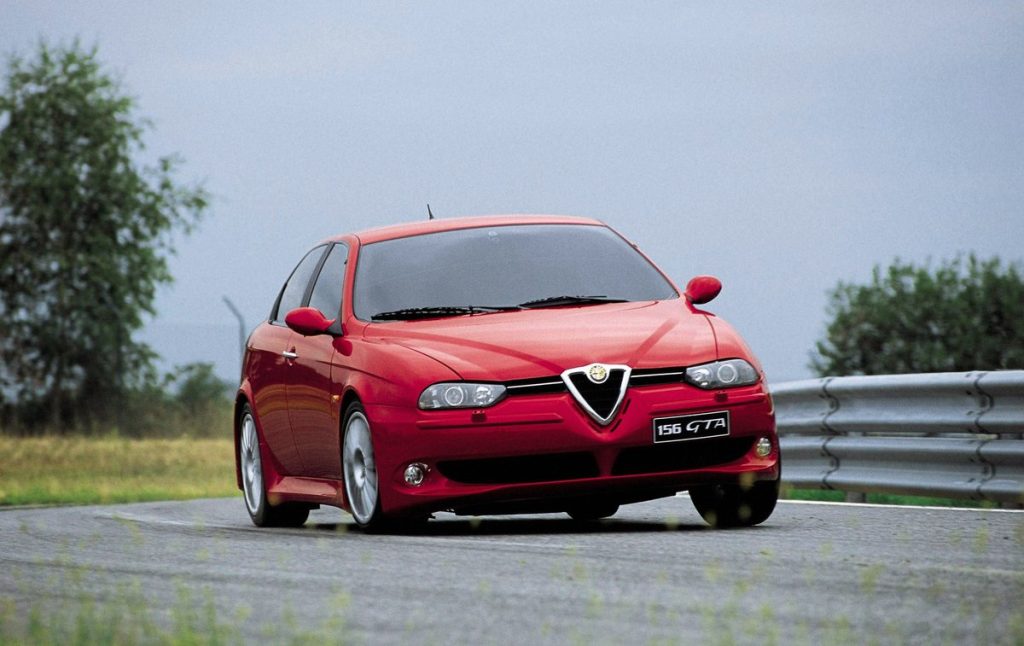
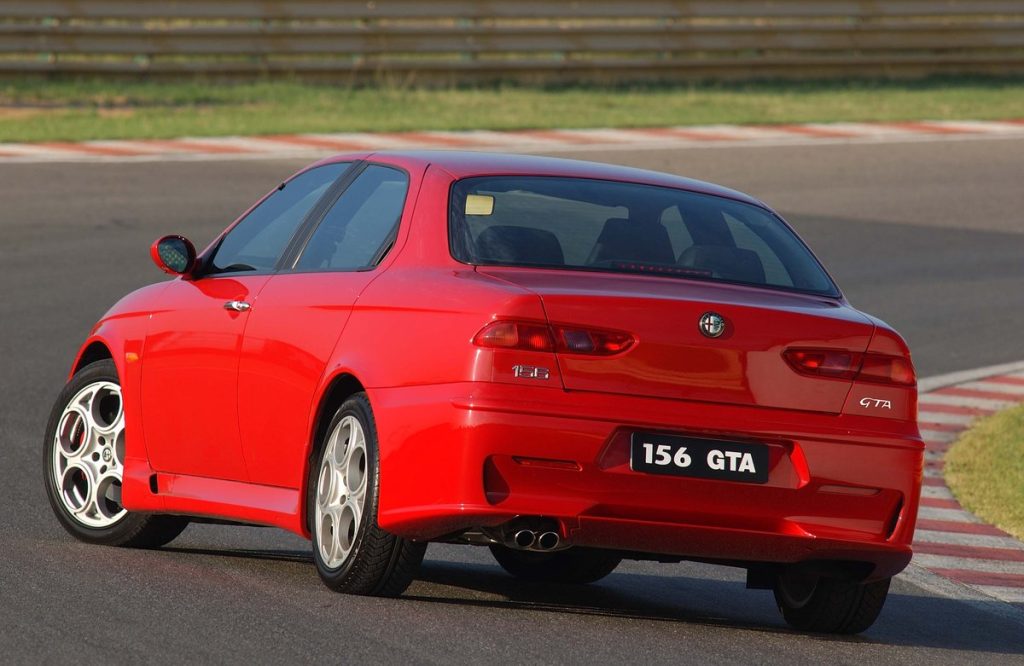
5. Alfa Romeo 156 GTA (2002 to 2005)
Why it’s great
The 156 GTA represents the final development of the Busso V6. Enlarged to 3.2 litres and producing 250bhp, it is widely regarded as one of the finest production V6 engines. Despite being front wheel drive, the car delivers engaging handling thanks to its double-wishbone front suspension. The flared wheel arches integrate seamlessly with Walter de Silva’s original design, giving the car a distinctive presence. With values between £12,000 and £18,000, it remains an appealing modern classic.
What to look out for
The standard differential is a known weak point and can fail under load, potentially damaging the gearbox. Most cars have been upgraded with a Q2 or Quaife limited-slip differential, which is strongly preferred. Cambelt replacement intervals should be treated conservatively, with many specialists recommending replacement every four years or 48,000 miles. The V6 places significant strain on the front suspension, leading to wear in the wishbones. Check for noise over uneven surfaces. Corrosion is also becoming an issue, particularly in the floorpans and front wings.