Honda’s mid-sizer marks its half century – here are all the models
When the Honda Accord made its debut in 1976, Japan’s car industry was just starting to be taken seriously. Now, 50 years and nine generations on, the Honda Accord has become a byword for unerring reliability, interesting design and engineering brilliance. Here’s our breakdown of each generation.
First generation (1976-1981)
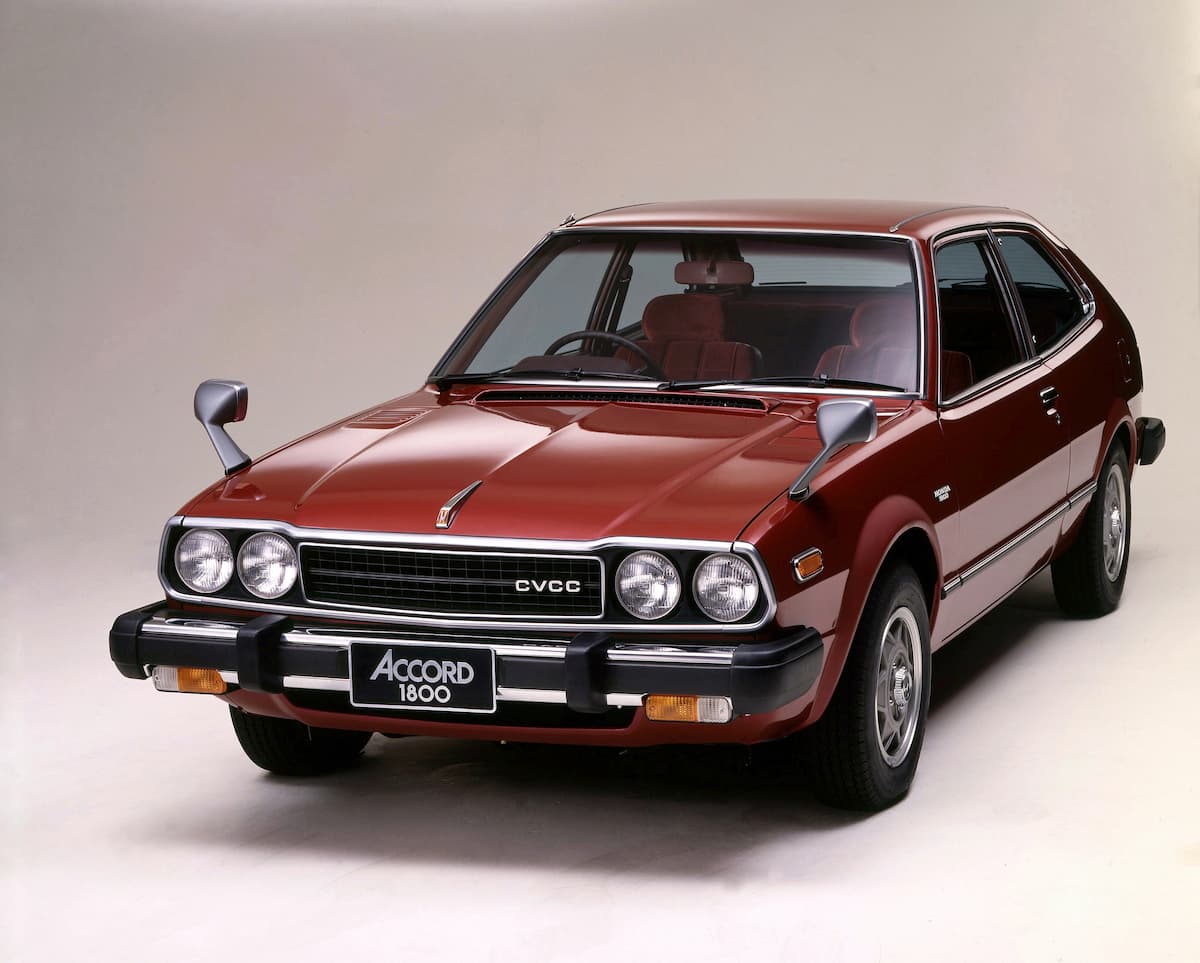
In many ways, the original Accord was a gamechanger. Sold as both a saloon and – curiously – a three-door family-sized hatchback, it was a compact but spacious front-wheel-drive saloon, and a rarity in an era dominated by rear-wheel-drive rivals.
With a 1.6-litre four-cylinder engine, crisp lines, and an interior ahead of its time (featuring innovations like a quartz digital clock and optional, electric windows, central locking and air conditioning), the Accord quickly established a reputation for reliability and efficiency. The hatchback variant was a real oddity, but nevertheless proved quite popular. British motorists, weary of temperamental domestic models, found the Accord’s bulletproof engineering and minimal maintenance to have huge appeal – and laid the foundations for a reputation that stuck for good.
Second generation (1981-1985)
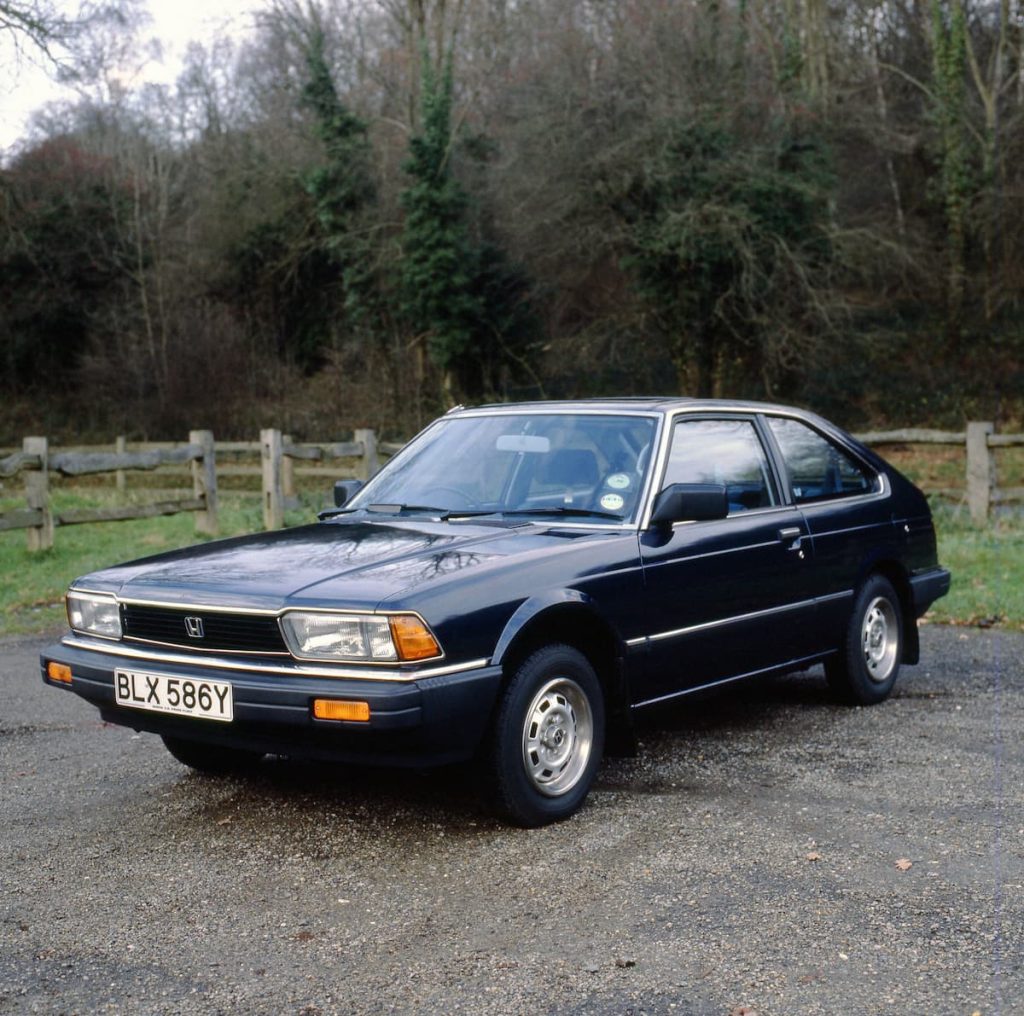
As the Accord matured, Honda introduced the second generation with a sleeker, more aerodynamic profile and a significantly larger footprint. Again, a four-door saloon and three-door hatch were offered, but with a much squarer look that defined the new decade.
Again, it was an accomplished car, with sharper handling, and more powerful engines than before, including 1.6- and 1.8-litre units. The interior was comfortable, spacious and ergonomically advanced, featuring a tilt-adjustable steering wheel and upgraded materials and its appeal was reflected in the sales charts, establishing the Accord as a genuine competitor to established European and British brands.
Third generation (1985-89)
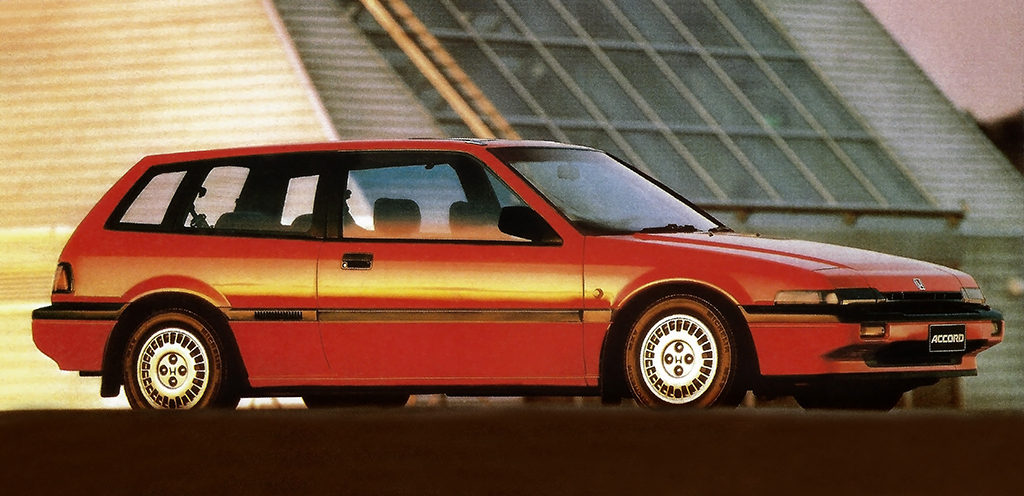
In our opinion, the third-generation Accord is probably the coolest of the lot – after all, what’s not to love about a family saloon with pop-up headlights? Or how about a dashboard with an instrument cluster that looks like a circuit board? And if that’s not enough, what about a three-door estate car with the name ‘Aerdoeck’. Yep, this was Honda at its hyper-coolest.
The wedge-shaped Accord was great to drive, too, with smooth and responsive fuel-injected engines, while the ride quality and noise insulation reached new heights – and it was brilliantly engineered. It’s such a shame they love to rust…
Fourth generation (1989-1993)
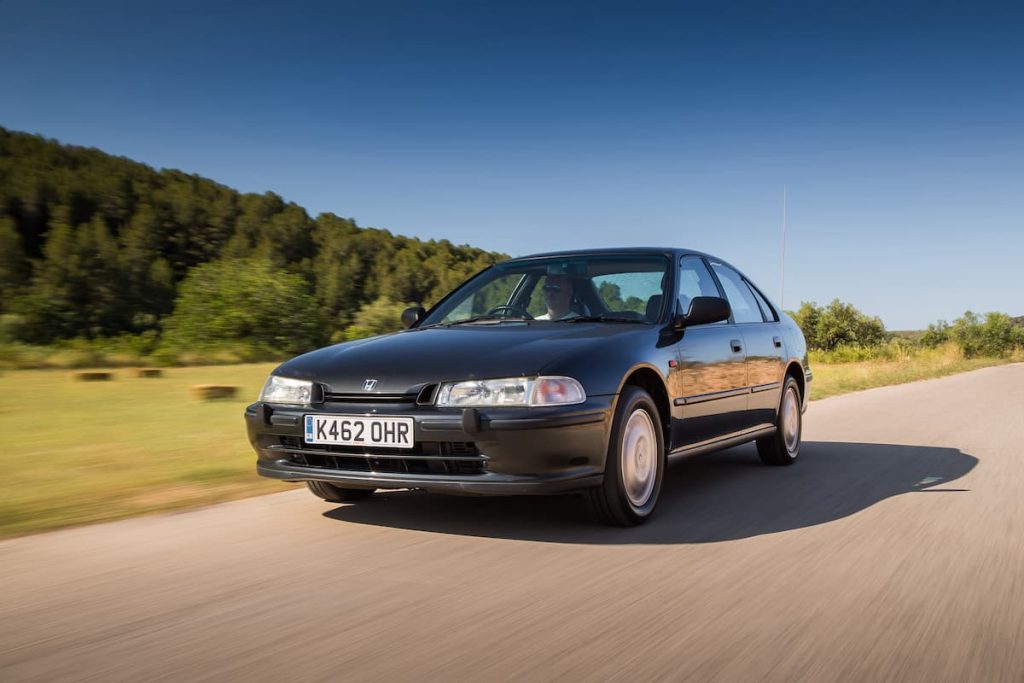
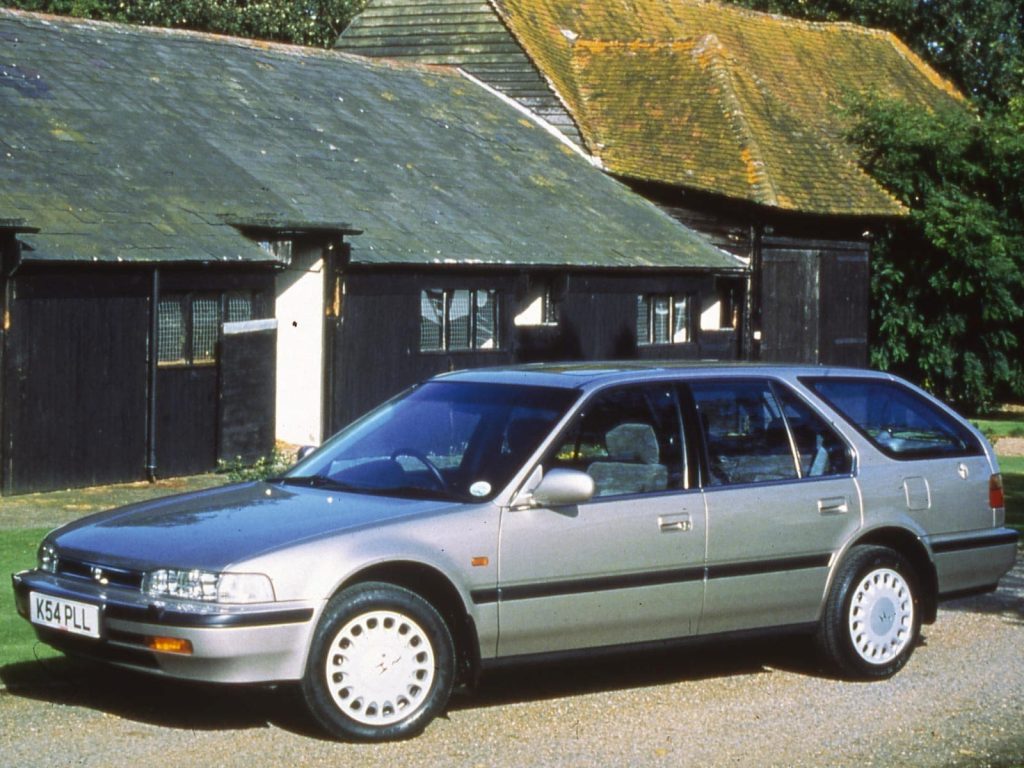
The fourth-generation Accord represented a leap forward in terms of size, comfort, and refinement – a move that was taken due to the brand’s growth in the USA.
As such, the new Accord was bigger and more luxurious than the likes of the Ford Sierra and Vauxhall Cavalier. Under the bonnet, buyers could choose from 1.8 and 2.0-litre engines, with improved performance and reduced emissions. Inside, the cabin was quieter and more luxurious, with a tasty options list including ABS, power steering and climate control, as well as Honda’s innovative four-wheel-steering.
There was also an estate model, produced at Honda’s Swindon plant from 1992 – but this time it was a five-door. It wasn’t as bold as its predecessor, but the new Accord was the car that made people take Honda seriously.
Fifth generation (1993-1998)
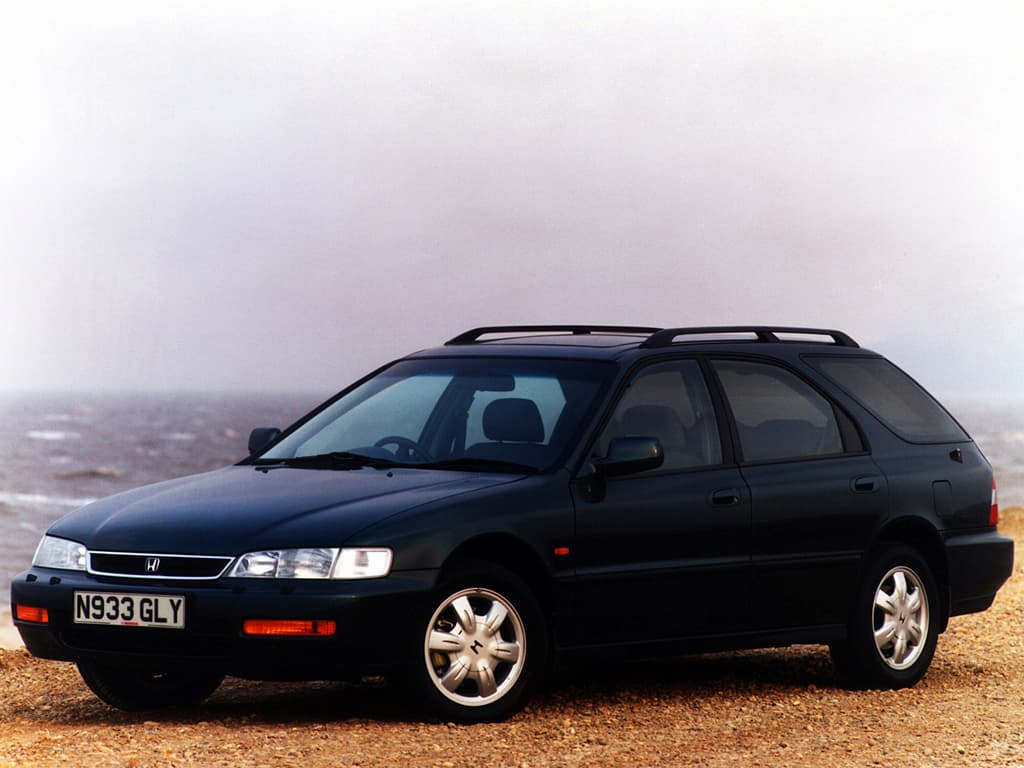
The fifth-generation Accord marked a big change for Honda. With the US demanding ever-larger models, a separate model was commissioned for Europe, designed to be smaller and more agile.
It was built in the UK and was also the inspiration for the Rover 600, which came from a long collaboration between the British and Japanese makers. The Rover shared the petrol engines, chassis and glass areas of the Accord, as well as its door frames.
Honda kept the jewel in its crown for itself, though, in the form of the new 2.2-litre VTEC engine, which didn’t even start to come alive until two-thirds of the way up the rev range. It was a brilliant car, both in terms of dynamics and engineering, and once again was offered as an estate, as well as a saloon.
Sixth generation (1998-2003)
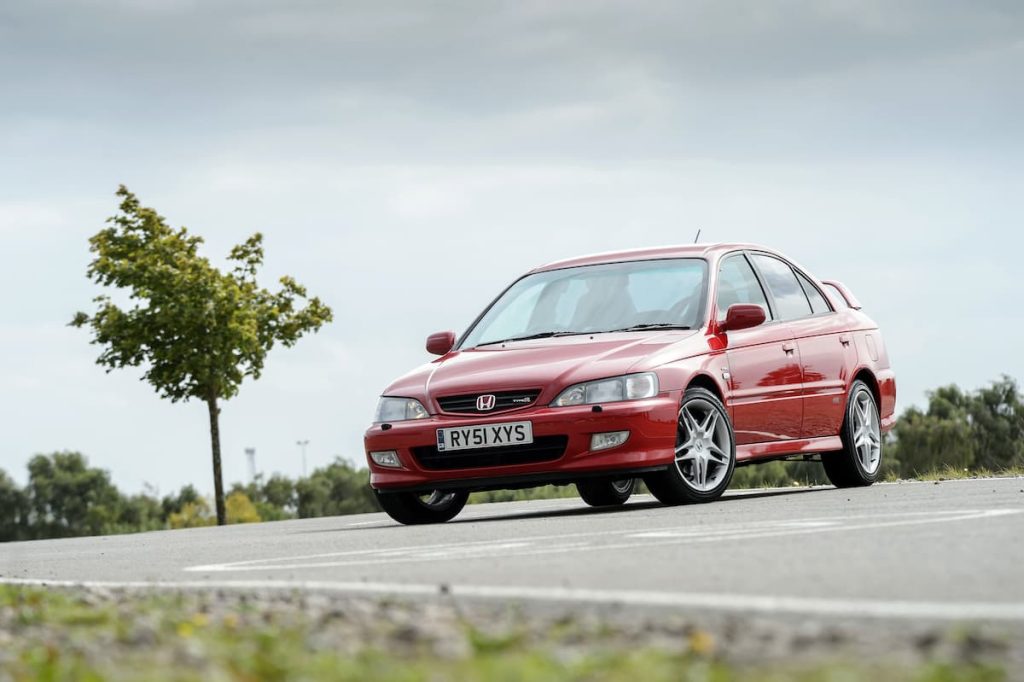
The Euro Accord evolved even further at the end of the 1990s, with much more input from British designers and engineers ahead of it going into production in Swindon.
With the sixth generation, the Accord adopted a more athletic stance, sharper handling, and a dynamic edge. The UK received distinct saloon and hatchback models, as well as the high-performance Accord Type R, a bewinged favourite featuring a tuned version of 2.2-litre VTEC engine, close-ratio gearbox, Recaro sports seats, and red Honda badges.
A more hidden gem was the 2.3-litre Type V, which was the luxury flagship and would still happily spin up to 7,000rpm, but in leather-clad comfort.
Sadly, there was never an estate version of the Gen-6, which is a shame, as it would have been a lovely car.
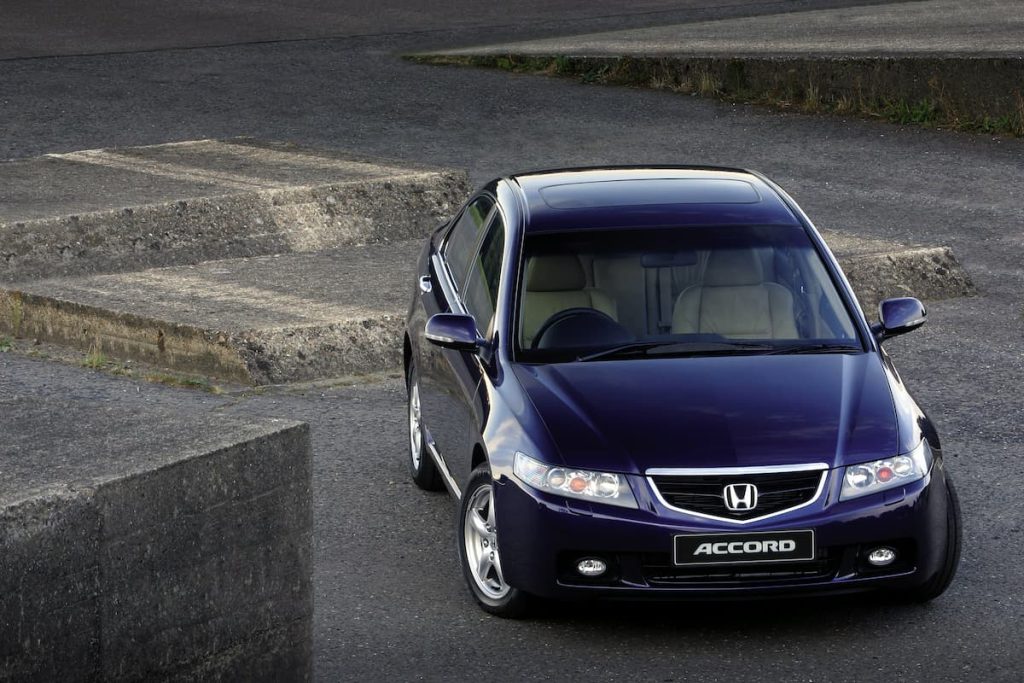
Seventh generation (2003-2008)
The seventh-generation Accord marked a shift towards executive-level refinement.
Ditching the hatchback, Honda focused on the saloon and the return of the estate, now known as the Tourer. It had a more upmarket feel than any Accord before it, with a space-age dashboard and a distinctly European flavour to its handling.
Styling-wise, it lacked the understated elegance of the model before it, but made up for it with a futuristic appearance and wedge-shaped profile that recalled the Accords of the Eighties.
There was also a diesel for the first time, with Honda’s homegrown 2.2 i-CTDi becoming the best-seller in the UK, as Honda established a foothold in the all-important company-car market.
Eighth generation (2008-2015)
Furthering its executive ambitions, the eighth-generation Accord was larger, better equipped, and more refined than ever. The UK line-up included powerful and efficient petrol and diesel engines (2.0 i-VTEC, 2.4 i-VTEC, and 2.2 i-DTEC), all compliant with tightening emissions regulations.
Ride comfort and handling were enhanced, while interior quality took another leap forward, as did the level of specification. Standard features included dual-zone climate control, Bluetooth connectivity, and the first advanced driver aids like adaptive cruise control and lane keeping assist.
The Tourer remained a favourite among those needing a spacious and practical estate, and was arguably better-looking than the saloon.
Sadly, the Accord was withdrawn from the UK in 2015; changing consumer tastes led to it focusing its marketing on SUVs and crossovers instead. The name lives on, though, and is about to enter its eleventh generation in Japan and the USA.
Which generation Honda Accord is your favourite? Share you thoughts below.
Insure your classic with a specialist insurer
If you’re looking for cover for your pride and joy, why not consider Hagerty UK? Not only are we classic car insurance specialists, but we are enthusiasts at heart. Call us for a quote on 0333 323 1138.


The first generation for me, I remember looking at them with my late father around 1978 at Foster Motors Standish near Wigan. He was tempted but wanted a five door hatchback to replace our 76 Chrysler Alpine GLS.
The Honda Accord (and Civic) have always been so good that they created a tide that pushed other makers to keep up. Sublime products of very careful manufacturing.
Love Honda as a brand owned a few owned a Honda accord gsi 3rd generation very rare model now own a Honda accord 2.2 4ws gen 4 really nice cars
The Mk4 and Mk5 estates weren’t built in Swindon. They were made in the US and shipped over to Europe.
I test drove a 2.2 Sport in 2005 and really liked it, right up to the moment the the salesman told me that they were no longer coming with a boot spoiler and side skirts as “traditional Honda buyers didn’t like that”. I bought a Saab 9-3 Aero instead