Author: Charlotte Vowden
Images: Charlotte Vowden and Hagerty
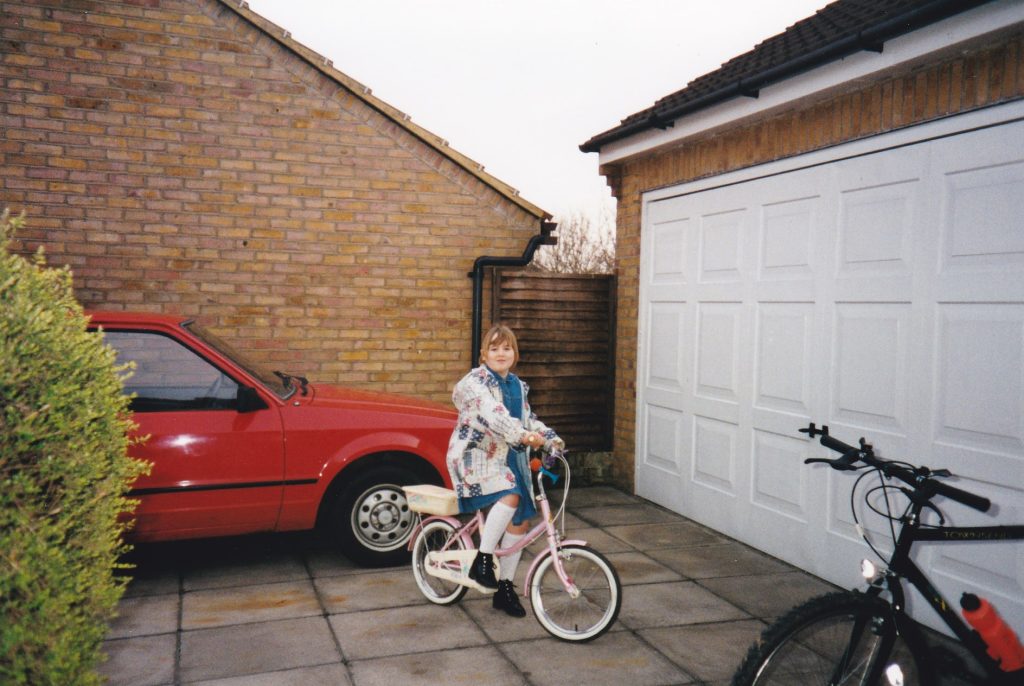
We all love an underdog; that plucky fair-to-middler who has survived against the odds. A nineties Hyundai Atoz or an eighties Skoda Estelle, the lowlier it was regarded in its day, the lovelier it is to see it now, and the record attendance of this years’ Festival of the Unexceptional [FOTU] is testament to that fact. A tenth anniversary bonanza, over four thousand eccentric enthusiasts were drawn to Grimsthorpe Castle in Lincolnshire to express their approval of 2000 mundane cars. Morris Marinas, Renault 5s and Rovers dazzled in the so-so spotlight.
An event where poverty-spec wins prizes, Hagerty’s FOTU is an embodiment of the dry and quirky sense of humour that sets us Brits apart. “The ironic and absurd,” says Pippa Bailey, a sensory and consumer psychologist, is guaranteed to win us over. “Just think of the Sinclair C5,” she adds. A visionary but impractical battery-propelled one-person recumbent tricycle, you only bought one if you wanted to be gawped at on the way to work.
“As we like to poke fun at ourselves,” Pippa continues, “our cars are often an extension of our own character. I also think the quirky designs of the past play to the British humour, for example the Reliant Robin was used in Only Fools and Horses.” One of the sitcom’s most famous episodes features their iconic yellow three-wheeler exploding en route to a party, seeing Del Boy and Rodney stagger out of the wreckage dressed as Batman and Robin. An example of home-grown humour that would probably be lost on a global stage.
Our tendency to cheer for the underdog might also be rooted in more emotionally complex, perhaps hard to admit, feelings. In the context of FOTU, says Pippa – whose understanding of the factors which can underpin preference and choice to facilitate brand positioning in the automotive sector – our fondness for overlooked automotives could be a manifestation of our own “challenges and struggles.” Such as to “stand out, be noticed and be valued.”
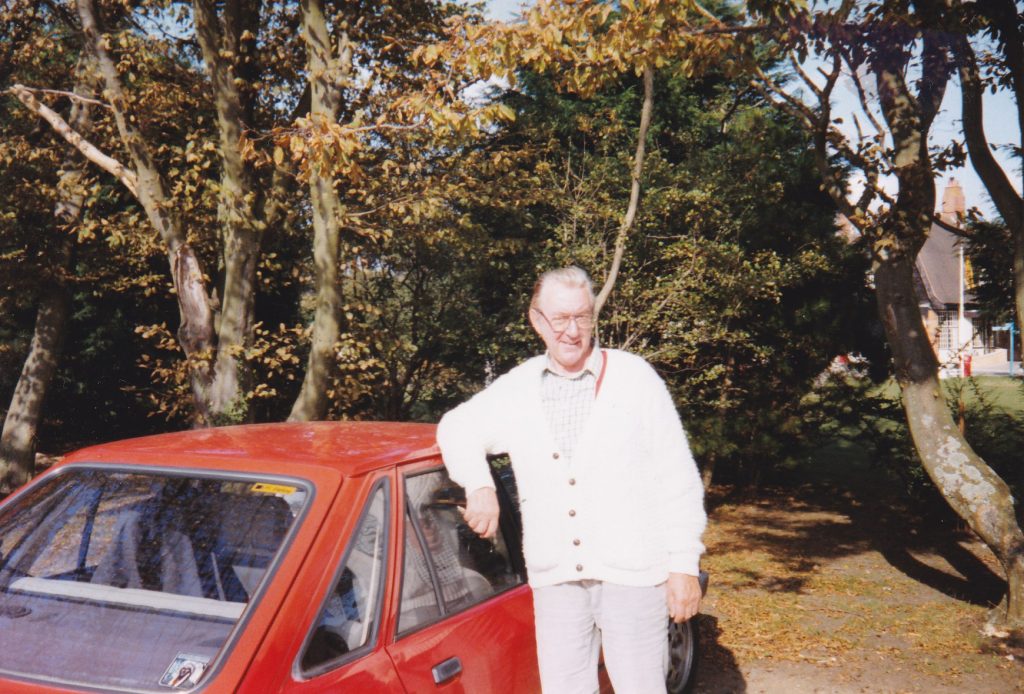
Personally, I think Pippa’s analysis is spot on, and for me, it began with my late grandfather’s burnt orange Mk 3 Escort. Considered the ideal old banger for ferrying around a “loser” like me by the bullies at school I always felt fiercely protective of it. I didn’t stand up for myself, but I did stand up for the vehicle that became my safe space on the way home from school.
“Humans like to forge connections with inanimate objects,” explains Pippa, who highlights anthropomorphism – when we attribute human-like qualities, such as a name or personality, to non-human objects – and nostalgia as key ways in which this can be achieved. “By doing this we make them more relatable. People will even see faces in their cars – a phenomenon called facial pareidolia – look at a Mk1, MX-5 or first generation Twingo.”
For many at FOTU, she suggests, “old cars bring memories to the fore and drive conversations about those shared experiences. Sticking to vinyl seats anyone? But every time we recall a memory it gets altered slightly (partly driven by context and emotional state at the time of retrieval) and this can mean that the memory gets embellished a little where more positive elements are recalled, and less positive elements recede, or vice versa. But repeatedly recalling a memory makes it easier to access in future so events such as FOTU will reinforce these memories.” This can be beneficial for mental health. “In times of uncertainty and stress, people seek out nostalgic experiences because of the comfort familiarity brings.”
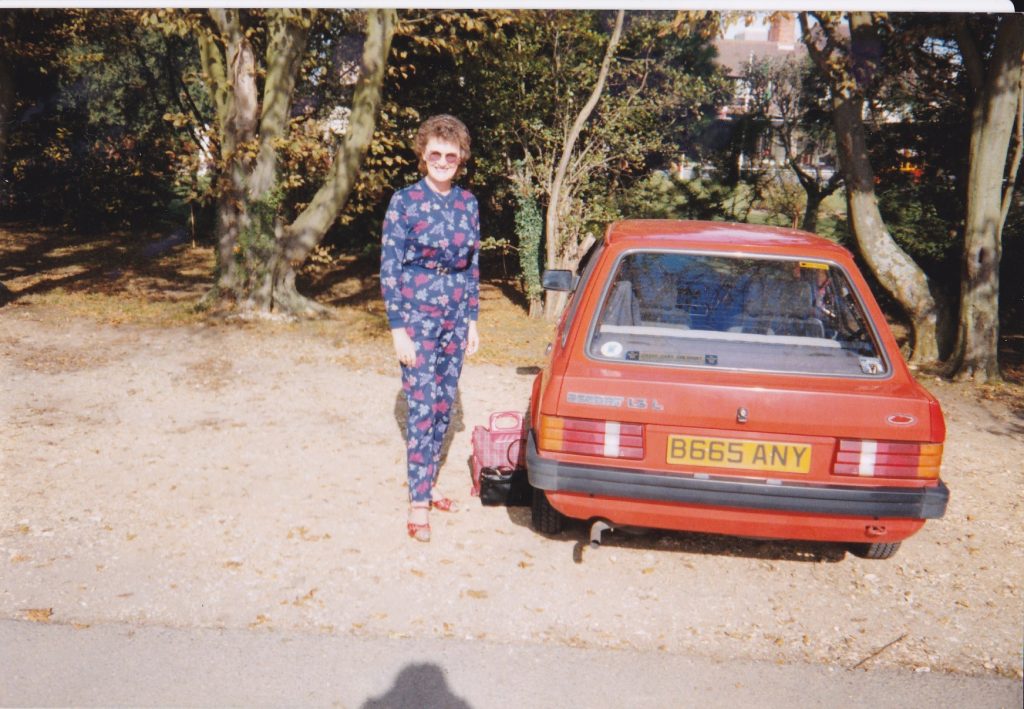
An admission of lusting after mundane motors without judgement also provides an opportunity to find companionship, collective identity and camaraderie. “It’s almost as if the more unusual the topic or theme the greater the bond seems to be. People pull together to keep these cars going.”
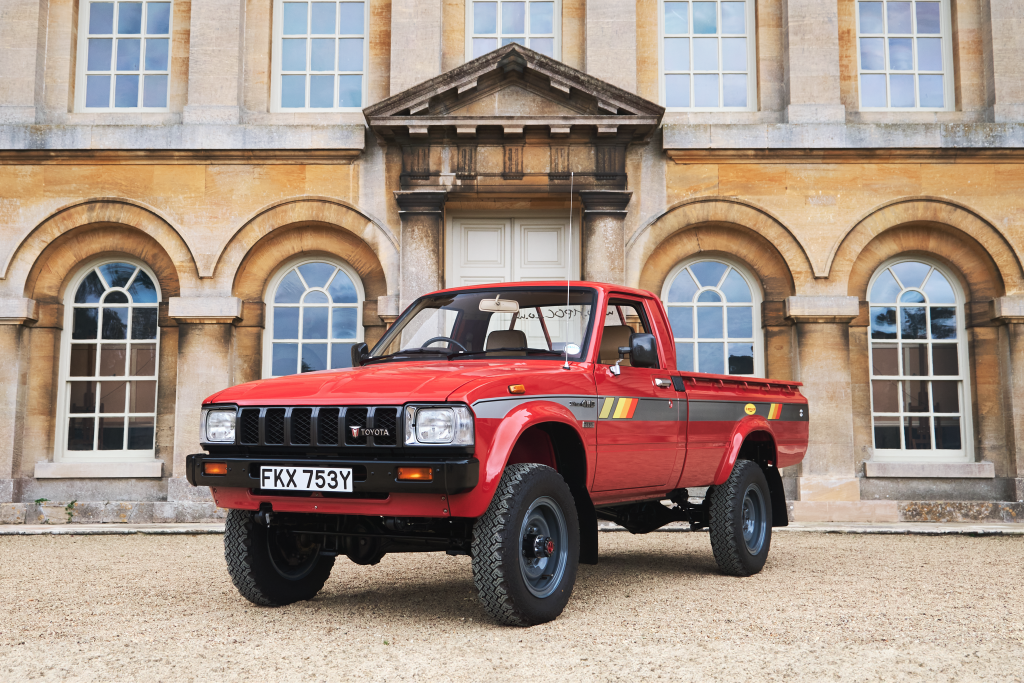
The winner of this year’s FOTU, Mitch Lewis, agrees. “I did feel like I was at home amongst like-minded owners, it was a real eye-opener for me.” Securing victory on the Concours de l’Ordinaire lawn with his bog standard 1982 Toyota Hilux, “the poshest part on the truck is the LED clock, which still works,” Mitch said its appeal lies in its “simplicity” and “down-to-earth” characteristics. “There are no extras as such, just what you need to run around from A to B.”
Bought from an elderly woman who used it on her fruit farm, (evidence of which can be seen in the form of small dents in the bodywork made by strawberry punnets,) the Hilux was treated to a simple pampering session involving some soap and a sponge in preparation for its appearance at FOTU. “I feel honoured to have such a motor and lucky to find one that was treated like one of the family when she was used as a farm runaround.”
By celebrating the classics that people have rarely aspired to own, FOTU could be described as one of the happiest automotive events in the world. Seeing an underdog succeed triggers a feel-good response in our brains, explains Pippa, making it a satisfying and rewarding experience. This success releases dopamine, a ‘feel-good’ hormone and humans are conditioned to repeat actions that make them feel good. Seeing an underdog do well increases the likelihood that we’ll support them again in the future, a concept known as reinforced learning.
So, who else is waiting for the tickets to be released for FOTU 2025? Don’t forget, as an HDC member you will receive 25% off your ticket.