Words: Alex Wakefield
Pictures: Alex Wakefield/Wikipedia/Silvauto/Jimmyroq/Vauxford/Allen Watkin/Snoopy’s Daddy
Like any role that involves you doing things that end up in public, it’s a good idea to rein in your ambitions to begin with, and get some solid experience as you work your way up the rungs of the career ladder.
Car designers used to be household names. New vehicle launches often give a chance for motoring writers to meet the design team, and learn about their work, but you’ll be forgiven for struggling to name anyone associated with recent metal. Some even suggest that design is dead, but these accusations are nothing new.
Interestingly, Ferrari wheeled out renowned industrial designer Sir Jony Ive to start promoting the work which has gone into drawing their bold new electric car, the Luce. He’s one of very few modern designers that people actually know, and it’s no coincidence that his presence is felt more from the Apple products in every pocket or handbag, rather than transport.
Ive is a rare example of an industrial designer turning his attention to a car. Good design should have a positive impact on our lives, and cars are a rolling statement of our interests, beliefs and values. They are a terrific canvas for anyone who is handy with a pencil. But if you really want to have your design noticed, you need to draw a bus.
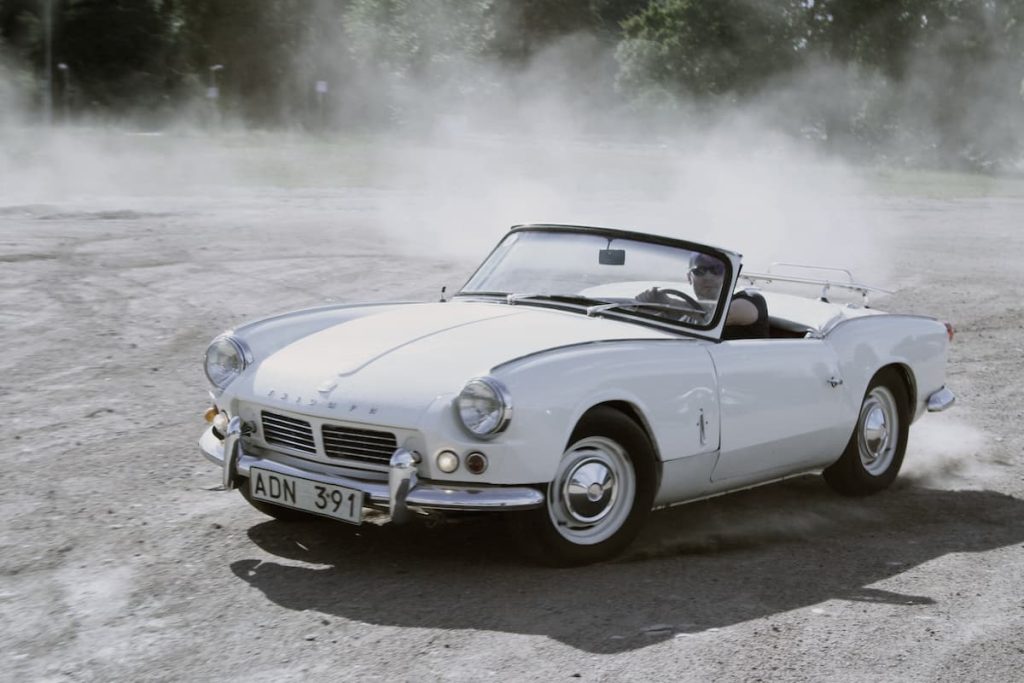
Famous for his work on some of the prettiest, and most successful sports cars of the mid-twentieth century, Giovanni Michelotti oversaw countless beautiful Ferraris, Maseratis, and Lancias, before spending time working for Standard Triumph, and eventually the British Leyland organisation.
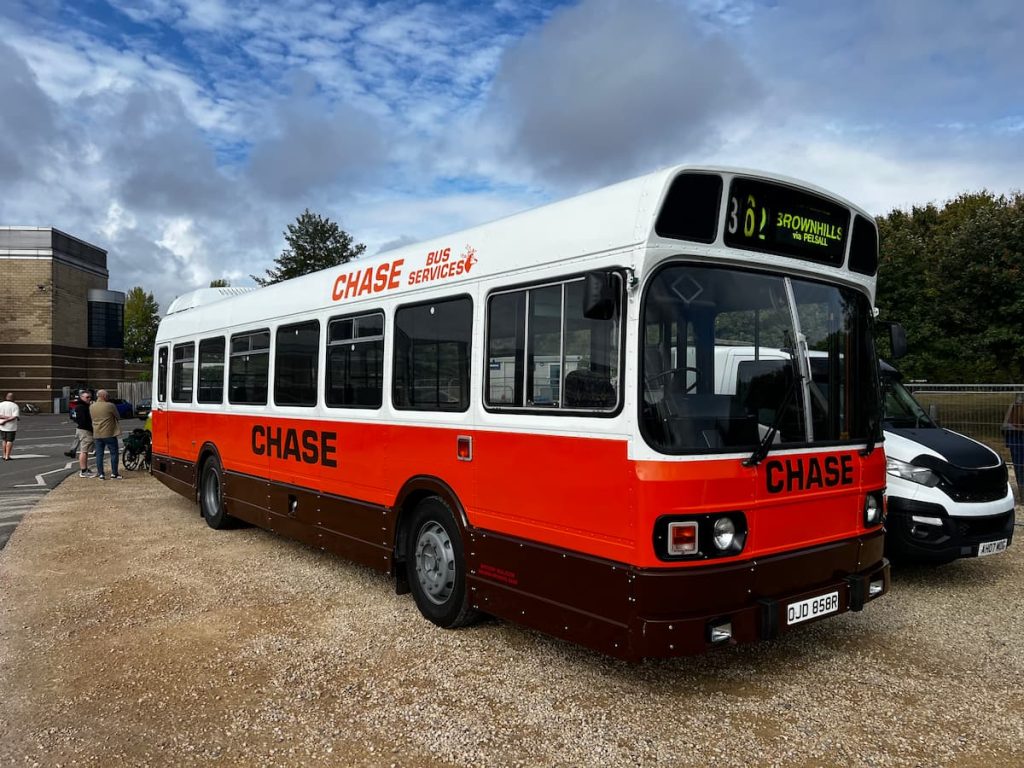
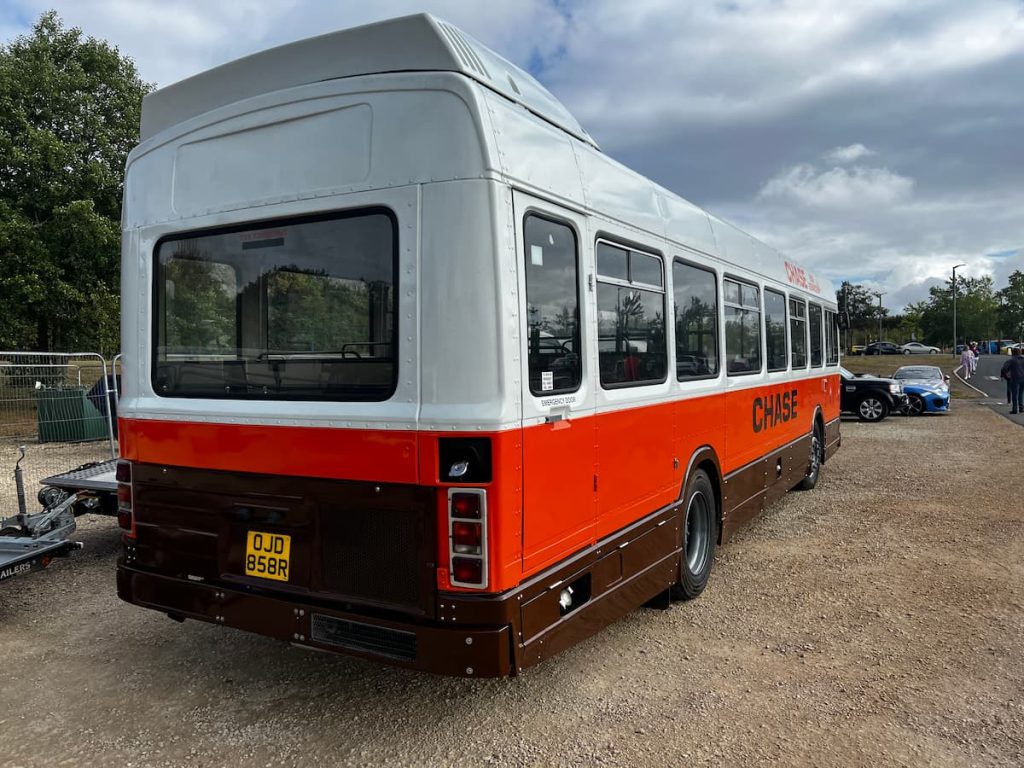
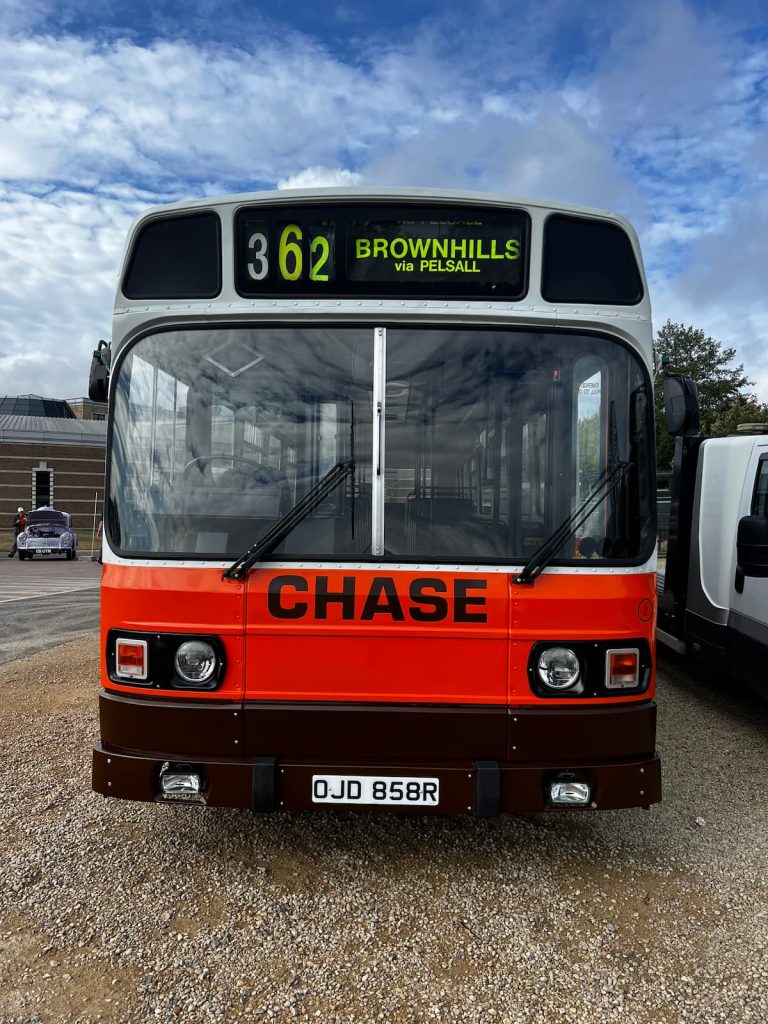
Whilst Triumph models, such as the Herald and Dolomite democratised the master’s work into a suburban setting, by the early 70s, Michelotti’s style could be enjoyed for a few pence and a bus ticket. The successful Leyland National bus was arguably the designer’s most impactful work, being a common sight on British roads (and rails) for several decades, and serving millions of passengers.
Take a closer look at the elegant single deck National when you see one next. You won’t even have to squint that hard to see certain similarities to Michelotti’s more famous automotive work, particularly given his involvement with almost every post-1960 Triumph built.
These buses were everywhere; on every street, in every city in the UK well into the noughties, and long after the great man himself had passed away in 1980. Ignore the exotica of the decades before, because this is the best way for any automotive designer to really contribute to the street scene.
Horacio Pagani’s trajectory to greatness was quite the opposite to that of Michelotti. Before a position sweeping the floors in Lamborghini’s Sant’Agata factory eventually guided him to become an engineering executive, the young Pagani cut his teeth using new composite materials to construct commercial and leisure vehicles.
For a few years in his early twenties, and before setting out to fulfil his Italian destiny, Pagani’s factory formed the shells and structural panels of Argentina’s finest campers, pick-ups and even mobile studios from GRP and other novel materials. At that point in his life, the young Argentine would make whatever he was asked to by his clients.
Understandably unwilling to consolidate his position in the Argentine leisure vehicle market, the flexibility, innovation and attention to detail that brought success in that field was soon applied to Pagani’s first racing car, a Formula 2 single-seater clad in panels of his own manufacture. It was his first step in the direction of hypercar greatness, and some of the most beautiful wheeled creations ever seen.
It’s not known if any of his contemporary leisure vehicles survived the political upheaval seen in the South American country, or the ravages of time, heat and light on experimental materials used outdoors. If a 70s chassis cab with a high top camper framework does one day turn up bearing his name, it will certainly be interesting to see what Bonhams or Coy’s make of its prospects for resale.
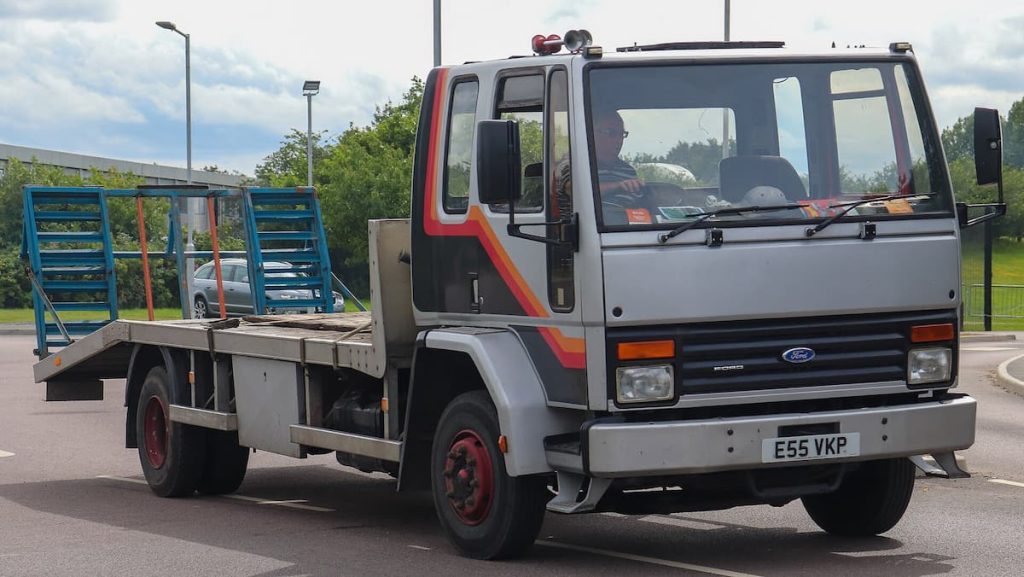
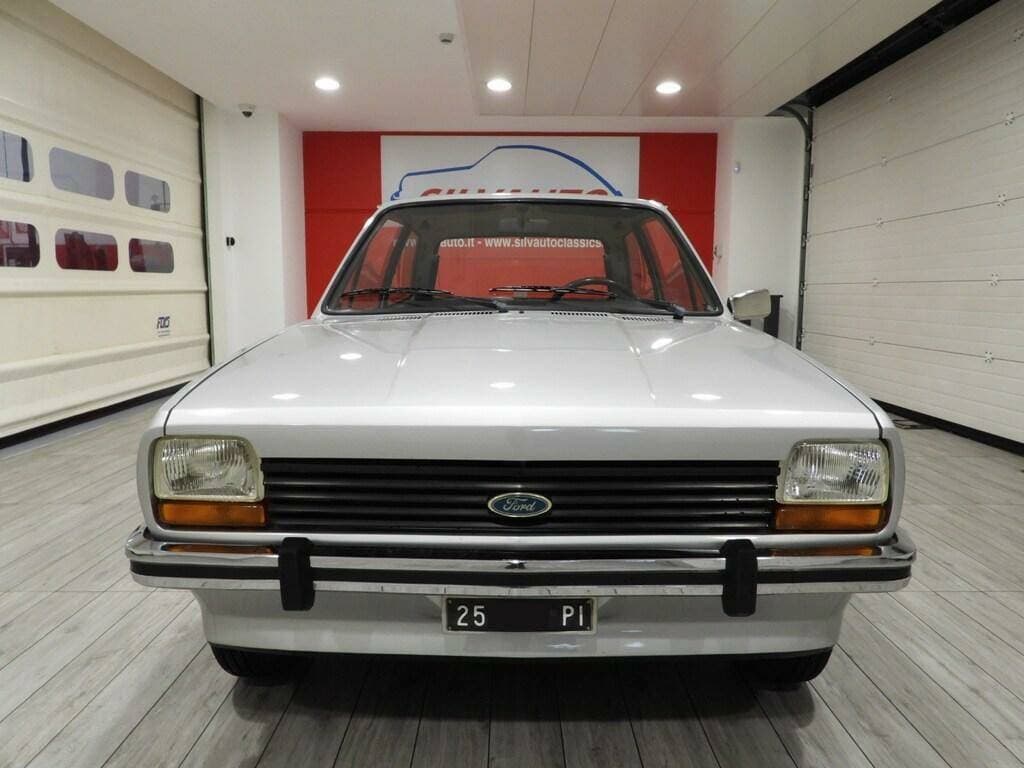
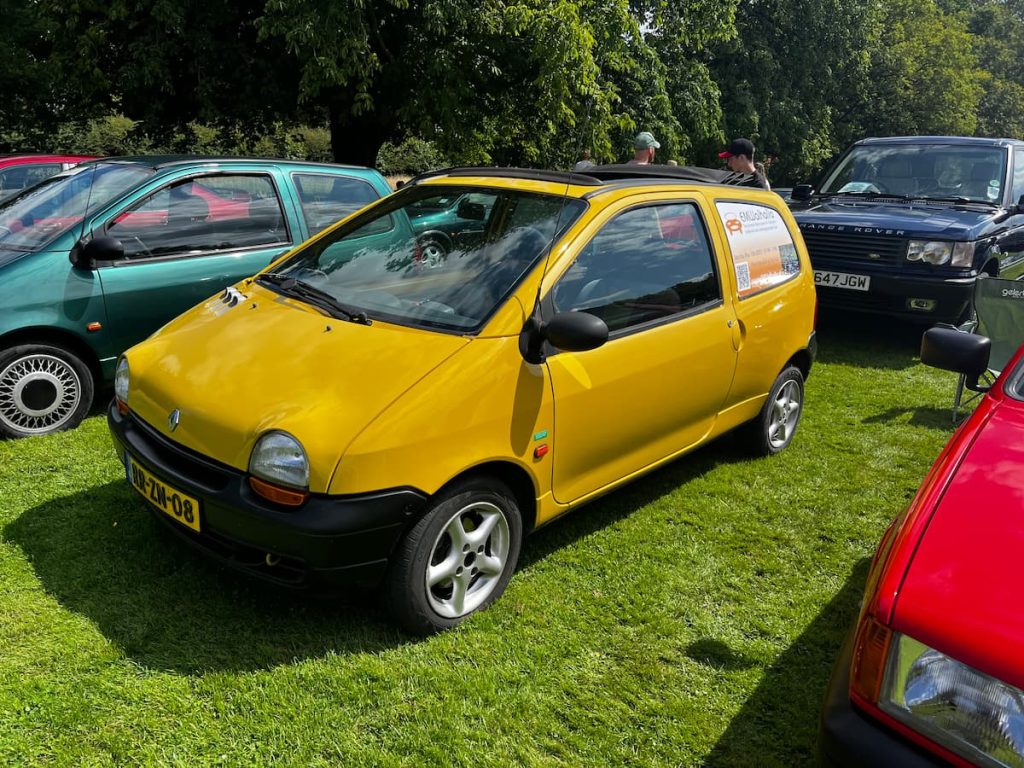
Commercial vehicles live hard and often short lives, but that doesn’t mean they should be excused from being given character and identity. The Ford Cargo was a stalwart of the medium to heavyweight transport business for a couple of decades from the 1980s, but you’ve likely not noticed the close resemblance it bears to two enormously popular small European cars of the late 20th century.
Conjure up an image in your mind of the Ford Fiesta Mk1, and then the first generation Renault Twingo. You’ll see one very obvious similarity to the front end of these city cars, both of which have their headlights stacked above a horizontally positioned indicator lens. Now, turn your attention to the bluff front end of the cabover Ford Cargo, and you’ll see that theme inverted through 180 degrees.
French designer Patrick Le Quément was responsible for all three of these, and the earlier version of the Ford Sierra, which also bore his early front-end design signature. Le Quément eventually became design director for Renault, and was at the helm when many of the brand’s most distinctive creations, including the Series II Mégane, Avantime and Vel Satis were launched, with mixed success.
Whilst the fortunes of his passenger car designs ebbed and flowed, the Cargo truck sold strongly in Europe and the Americas from the early 1980s until the late 90s, although Le Quément’s original design was later watered down to align it with contemporary corporate design language.
Those distinctive early Cargos did maintain a consistent presence delivering skips, moving furniture and any other task required of them, demonstrating the worth and penetration of good commercial vehicle design as an alternative to the more glamorous world of the car showroom.
If you want to take in the Anglo-French designer’s headlamp and indicator lens greatness today, you’ll need to visit a rural French supermarket car park to find an early Twingo, or attend a local gymkhana and find a Cargo based horse box. Good automotive design always finds its way, and not always where expected.