This article provides general information about the insurance industry and does not describe Hagerty’s specific products or policy terms unless clearly noted.
When does a car go from being simply ‘used’, ‘second-hand’ or, in a more rose-tinted view perhaps, ‘cherished’ to becoming a fully-fledged classic?
It’s a complex answer, and what’s more, it depends on who you ask. Consult the DVLA, and you’ll find that your car only becomes a classic (or Historic Vehicle in DVLA parlance) after 40 years. Ask HMRC and the bean counters will tell you it’s 15 years and ask an insurance company, and the answer could be anything from a decade or much older.

These definitions matter more than ever, given the latest 2025 Budget changes, which may influence how ageing vehicles are classified. To help you navigate the chronological conundrum of when a car becomes a classic for insurance purposes, read on.
What we will cover:
- Classic car age criteria
- Factors that make a car a ‘classic’
- Insurance definitions vs collector definitions
- How to check if your car qualifies for classic car insurance
Classic Car Age Criteria Explained
Confusingly, the UK Government has a couple of different definitions of what makes a classic car. The most significant is the 40-year-rule for classic cars, which states that once your car achieves the ripe old age of four decades, it becomes eligible for Historic Vehicle exemption from the annual MOT test
and Vehicle Excise Duty. It’s also the age at which cities with Ultra Low Emissions Zones (ULEZ) like London allow classics without charge. This means 40-year-old classic cars really can be money savers (admittedly, with a little man/woman math, perhaps).
At the tender age of 15 years, however, HMRC will recognise your car as a classic for company
car taxation purposes and base the benefit-in-kind (BIK) tax you pay on its market value.
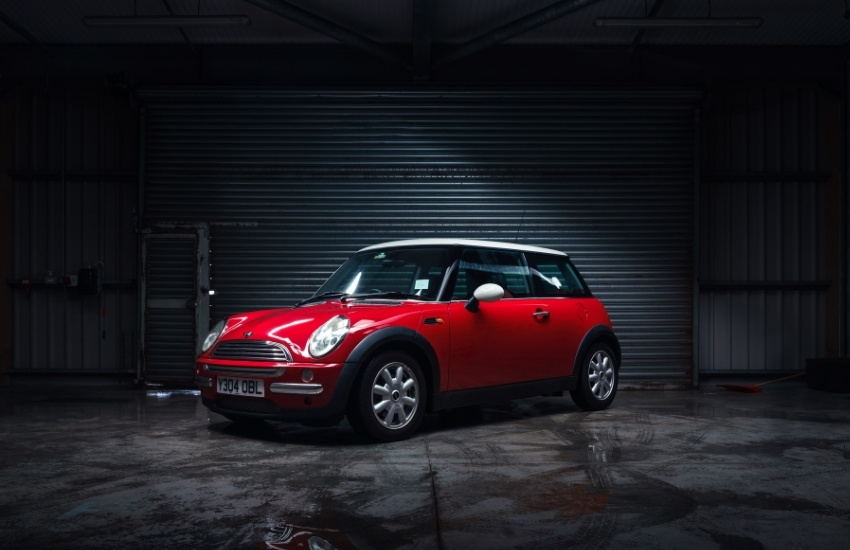
When it comes to insurance, some companies may consider a car over ten years old to be a classic, while at Hagerty UK, cars qualify for classic car insurance cover once they reach 15 years old.
Other Factors that Make a Car a ‘Classic’
Age is not the only defining factor if you’re looking to get classic car insurance for your car, as insurers will consider other criteria when appraising the suitability of your vehicle for a classic car policy.
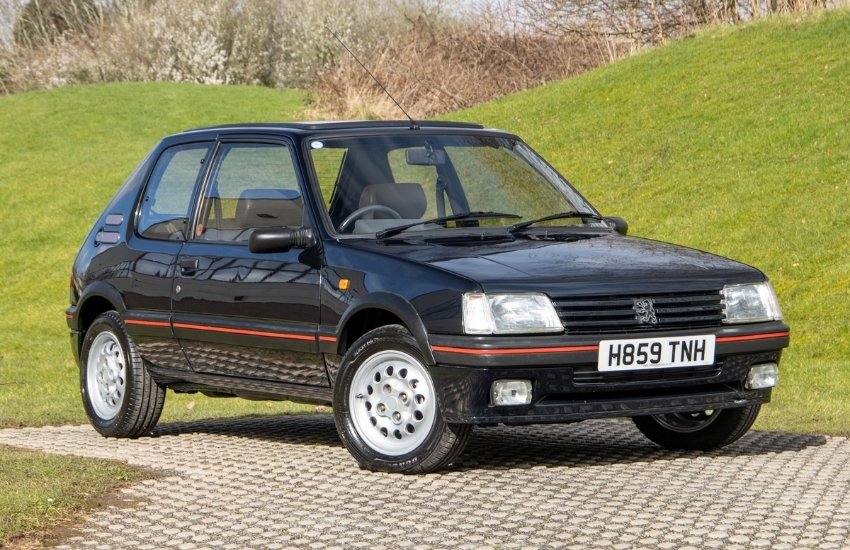
Scarcity is a prime example. Perhaps your car is a limited edition? One of just a few dozen cars produced, this ramped up the car maker’s profits, making it even more appealing to collectors. Whether it’s a new Speciale Ferrari or a Special Edition Peugeot 205 GTi, those limited numbers made will only add to your car’s value and collectability status.
Another factor here is survivability. Your classic may not be so exotic, but it could be one of the last of its kind. Your regular maintenance and coats of polish might be preserving a piece of history that would otherwise be lost. A good place to check just how rare your classic car is, is to head over to How Many Left. Another great way is to speak to a car club – you can find your marque specialist
with the help of the Federation of British Historic Vehicle Clubs.
Insurance Definitions vs Collector Definitions
Classic car collectors, especially those who enter competitions, historic rallies or Concours events, use sub-categories to define a classic car based on its age:
- Veteran cars: These are the earliest vehicles, built right at the dawn of motoring before the end of 1904.
- Edwardian cars: Built between 1st January 1905 and 31st December 1918.
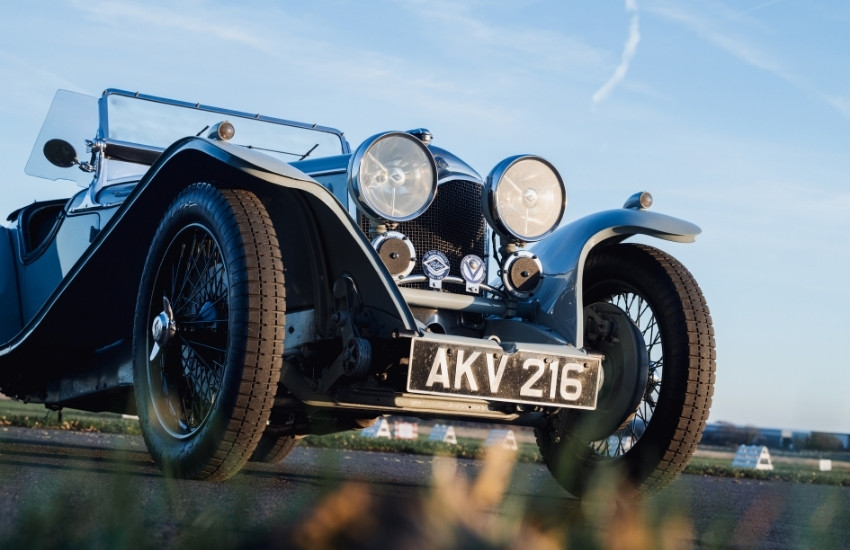
- Vintage cars: Built between 1st January 1919 to 31st December 1930.
- Post-Vintage cars: This covers cars manufactured between 1st January 1931 to 31st December 1945.
Generally, most insurance companies tend not to get too stuck on these definitions and simply state their minimum age requirement for a car to be considered a classic.
How to Check if Your Car Qualifies for Classic Car Insurance
It couldn’t be easier to check if your car counts as a classic for insurance purposes – just ask your chosen insurer. At Hagerty UK, we consider a vehicle to be a classic once it reaches 15 years old, although we do provide cover for cars of all ages, if they fit our underwriting criteria. Find out more about the types of vehicles we insure on our classic car insurance page.
When does a car count as a classic in your view? Drop your thoughts below.
Get Classic Car Insurance from Hagerty UK
Keep your classic on the road with expert classic car insurance built by car lovers, for car lovers. Rated ‘Excellent’ on TrustPilot.








1997 Jaguar XK8 (29 years old) classic car insurance recognition profile