Words: Nathan Chadwick
Photography: Maserati
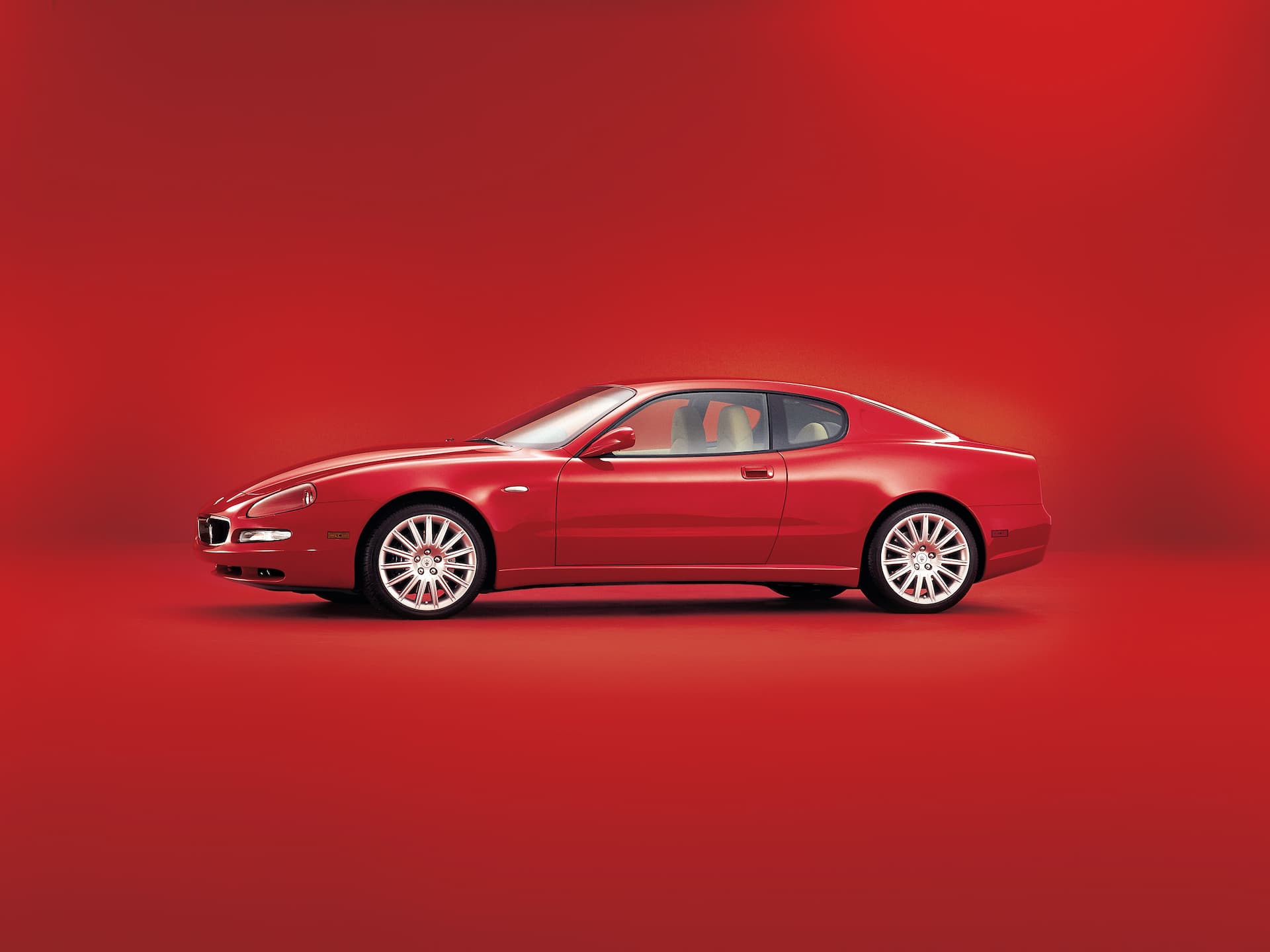
The Maserati 4200 is a car that confounds the pricing – it has a genuine Ferrari-derived naturally aspirated V8, Giugiaro looks and an interior that can genuinely seat four. Yet you can buy one for as little as ten grand…
Launched at the dawn of the 21st century as the successor to the elegant 3200GT, a car that had already begun to signal a new chapter under Maserati’s evolving ownership and technical partnerships, it waved goodbye to the twin-turbocharged Maserati era and, most importantly, brought the brand back to the USA.
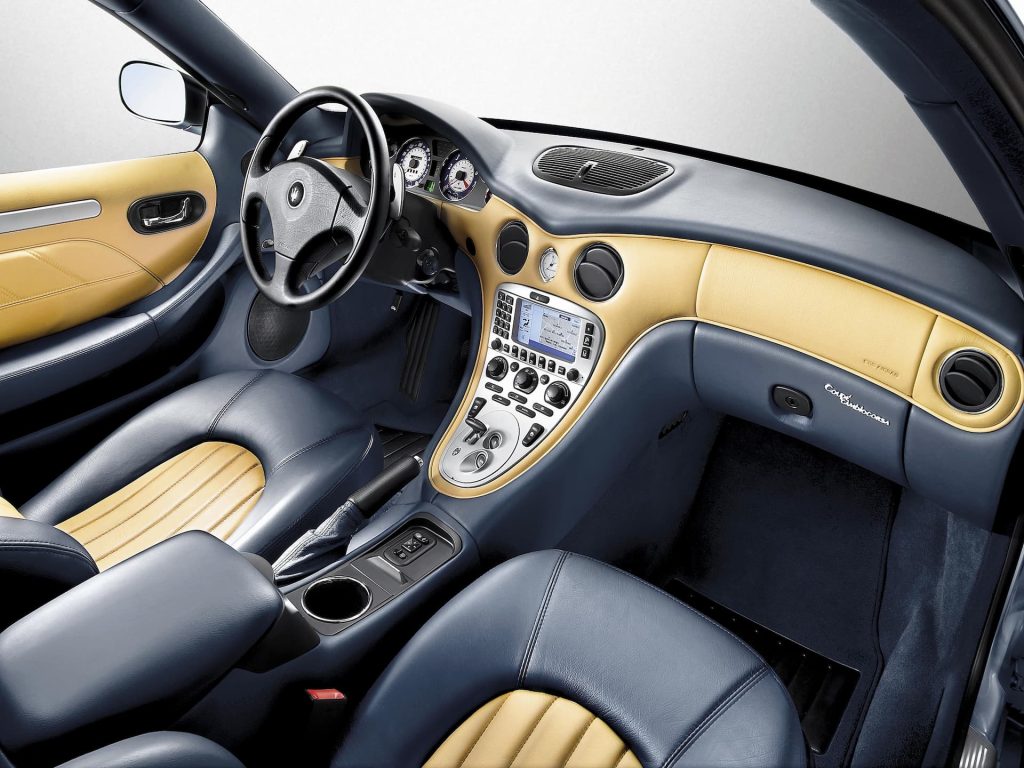
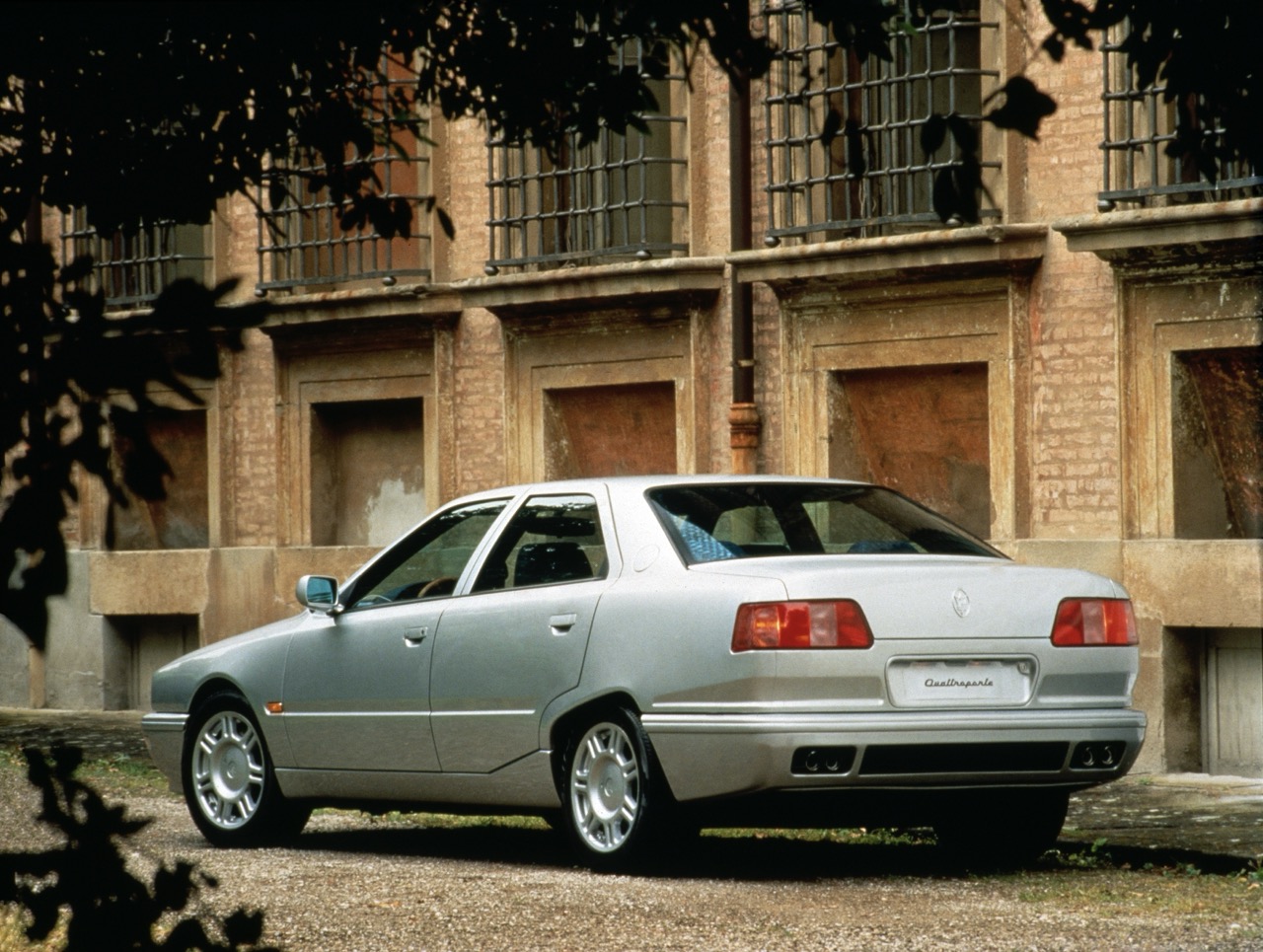
The 3200GT had introduced Maserati’s grand touring reinterpretation of the classic front‑engine, rear‑drive two‑door coupe, and when the 4200 arrived it was clear that evolution had overtaken revolution. The new car lost the distinctive boomerang rear lights of its predecessor, a controversial decision at the time – one Frank Stephenson, Ferrari/Maserati design director at the time says he was forced into by the Ferrari CEO, not because of legislative reasons, purely so exterior designers respected Frank’s authority. Giorgetto Giugiaro’s design at Italdesign was subtle but deeply elegant, melding muscular proportions with an Italian sense of restrained sophistication that was both modern and timeless. The car’s stance was low and purposeful its silhouette unmistakably Italian and yet disciplined. The Enrico Fumia-designed interior echoed this philosophy with seats that invited long drives in comfort and a dash layout that placed everything within reach without crucifying it in superfluous gadgetry. You felt cocooned within a cabin that was luxurious without being ostentatious and built with that rare sense of character that only a Maserati could muster. This was grand touring writ large but in an intimately engaging form, a machine that could deliver both relaxed cruises and spirited bursts on demanding roads without betraying its intentions or its driver.
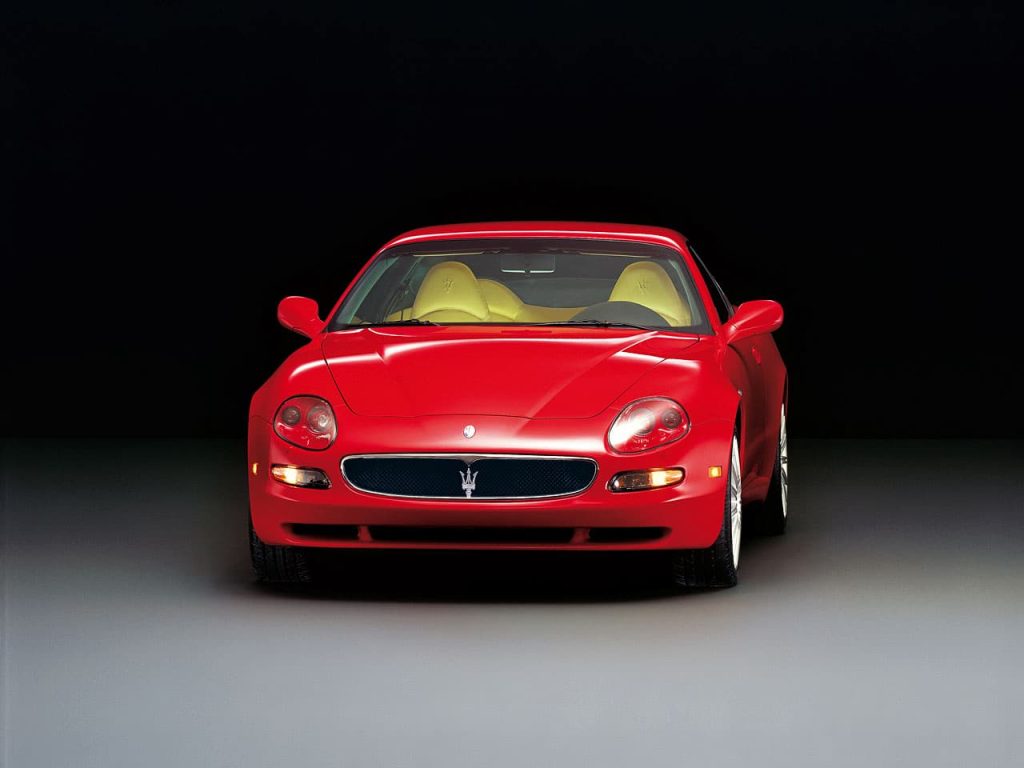
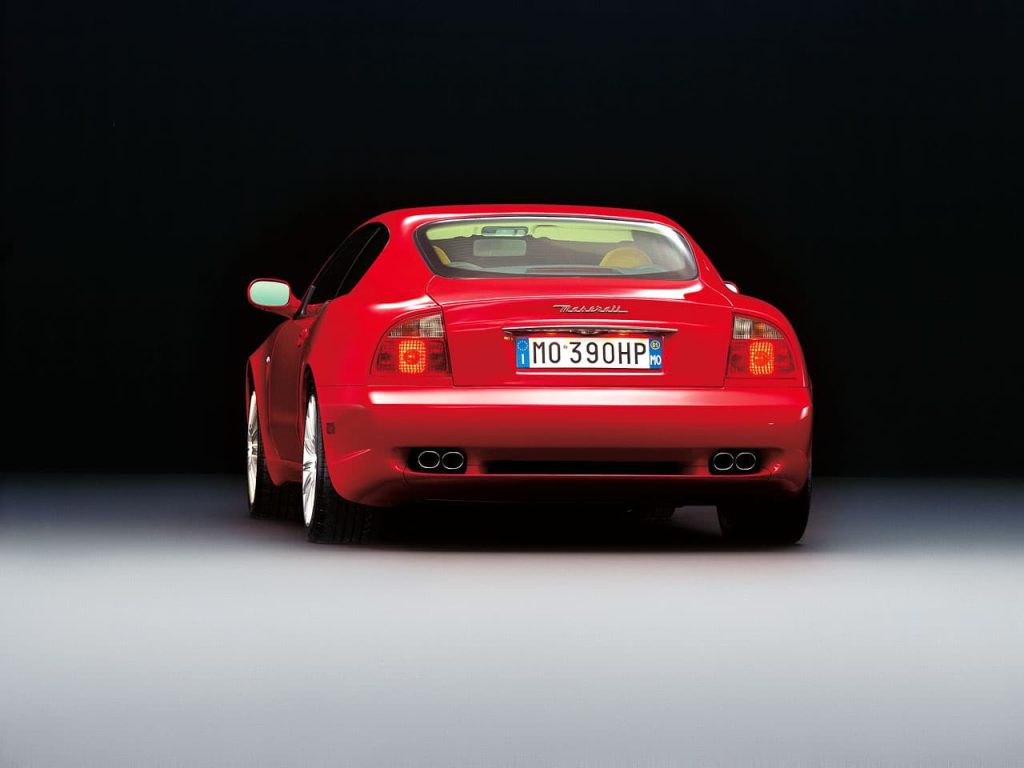
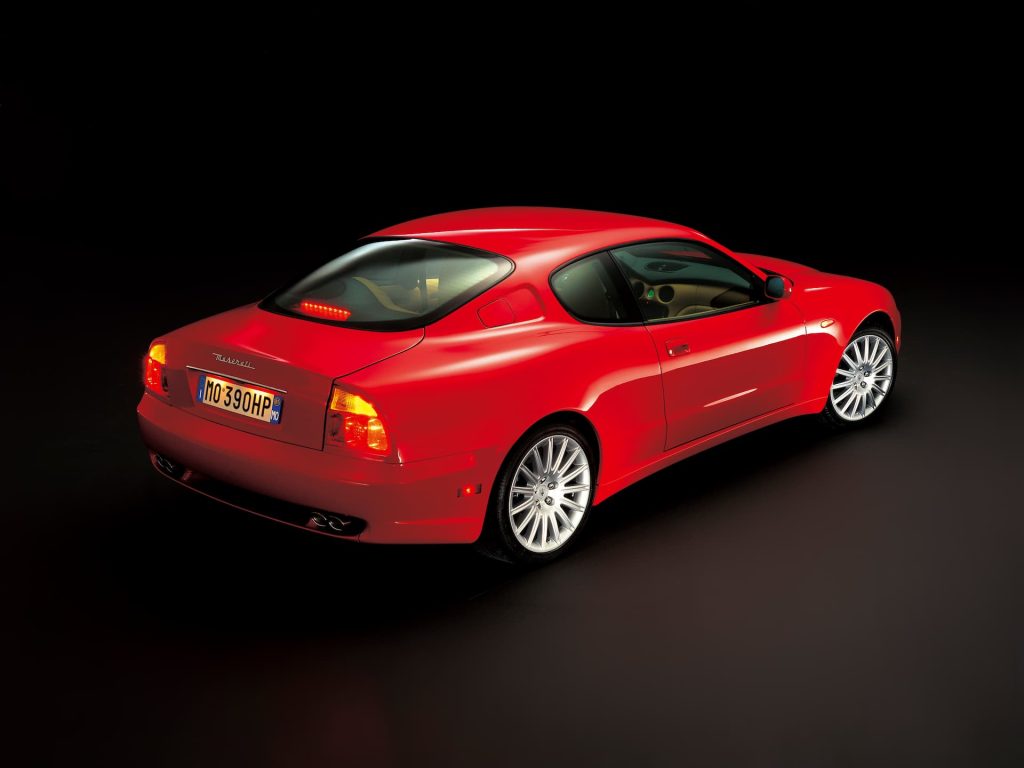
Under the long bonnet sat a 4.2‑litre naturally aspirated V8 developed during Maserati’s period under Ferrari influence. In its standard GT form it produced around 390 bhp and 332 lb ft of torque, enough to catapult the coupe to 60 mph in roughly five seconds and on to a top speed nudging the high‑160s. The engine’s flexible, high‑revving nature gave the car a character that was as much about emotional engagement as it was about outright pace. The transmission options included a manual six‑speed for purists and the Cambiocorsa automated manual, the latter of which wasn’t always admired by road testers. Rear‑wheel drive, perfect weight distribution and a chassis tuned for both composure and agility made the Maserati 4200 more than just a comfortable GT; it could reward precise inputs with a communication that stood out in an era where many grand tourers were drifting toward numb comfort.
The 4200 was more than a mere revival; it was a reinvigoration of Maserati’s identity as a maker of drivers’ cars. Its engine was not turbocharged or massaged by electronics but a raw, visceral V8 that carried the heritage of Maserati and Ferrari’s collaboration in both sound and spirit. The exhaust note was a song in itself, a blend of deep burble at idle and a thrilling climb through the rev range that could make every gear change feel like a performance. This was a car that married old‑school grand touring with new‑school engineering and resulted in something that had both emotional depth and real capability.
Then came the GranSport in 2004, a car that took the 4200’s compelling formula and turned up the sporting dial while retaining its grand touring soul. Launched at the Geneva Motor Show, this was not a mere trim pack or styling exercise but a genuine refinement of the coupe’s dynamics and presence. Stephenson sharpened the GranSport’s lines, adding new bumpers, mesh grilles, side skirts and 19‑inch wheels. Skyhook suspension lowered the ride and improved composure and responsiveness.
The 4.2 litre V8 now made 400 bhp and 333 lb ft. Cambiocorsa shifts were sharper and high‑speed cruising improved, with 0–62 mph in 4.8 seconds and 180 mph top speed.
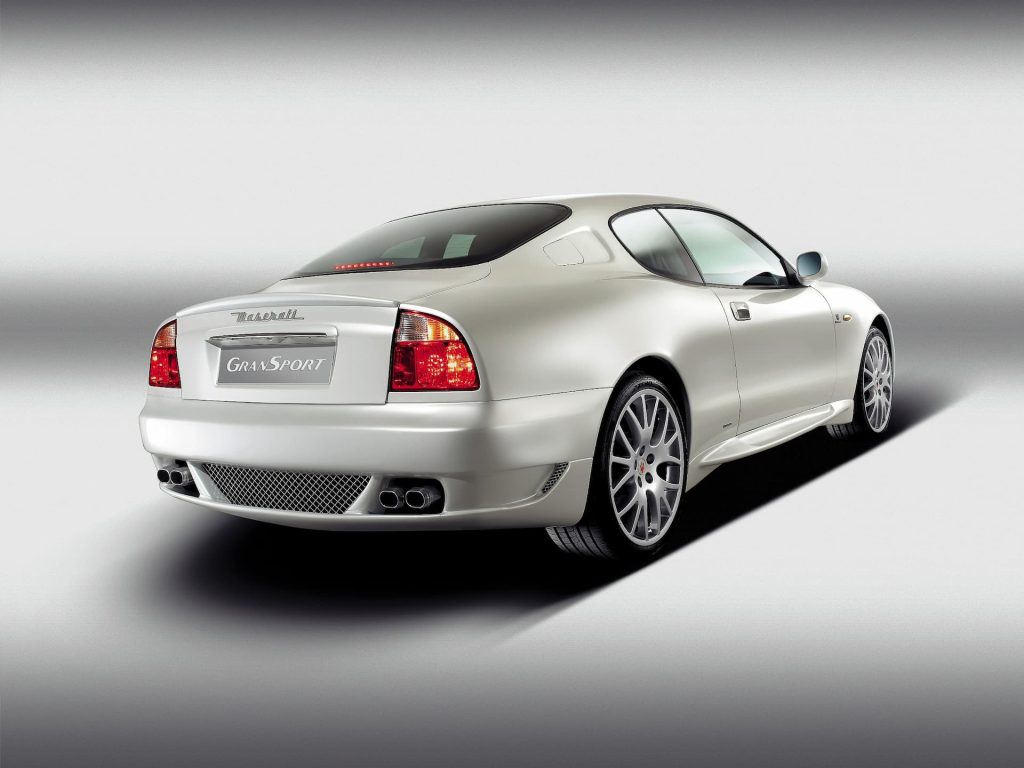
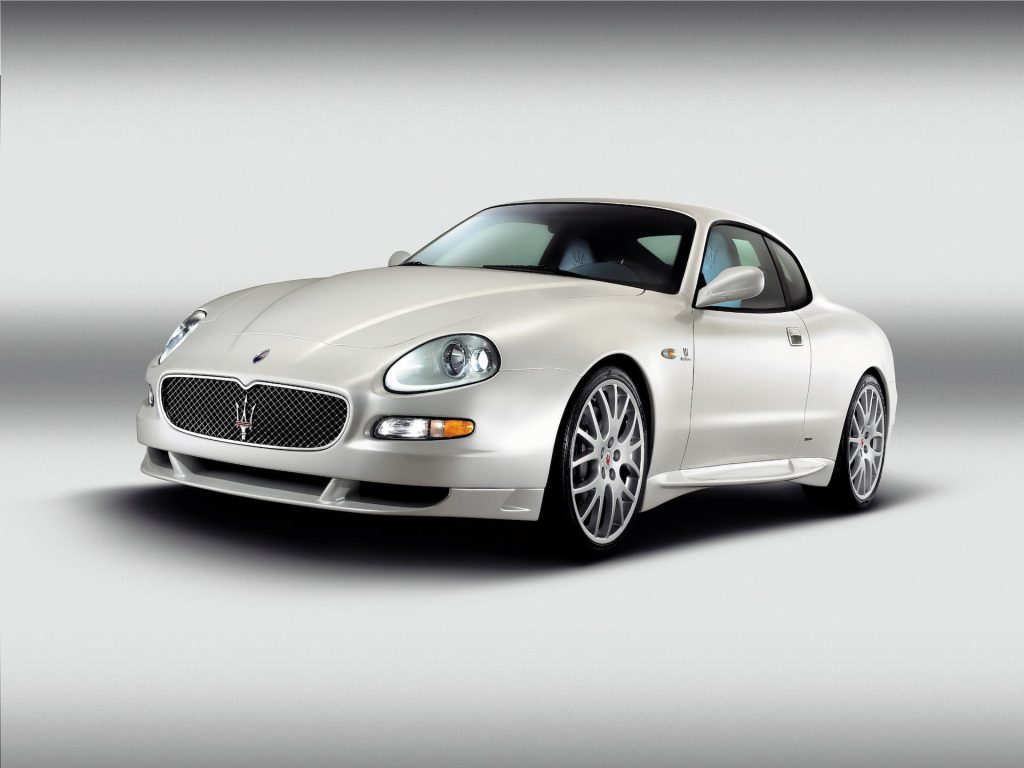
The chassis felt alive yet controlled, its steering quick‑witted and communicative in a way that few grand tourers manage without losing equilibrium. With its enhanced dynamics and distinctive looks the GranSport embodied Maserati’s ability to combine athleticism and elegance in a manner uniquely its own. It did all this with genuine seating for four – something of a struggle in a 911 and impossible in a V8 Vantage.
Owning one of these cars today is to hold both a piece of Italian automotive romance and a seriously capable grand tourer. But it is also to accept the challenges that come with machines built on passion rather than spreadsheets. When considering a Maserati 4200 or a GranSport in the UK market you must begin with the basics of any older exotic: a thorough examination of service history, structural integrity and mechanical sympathy. Maseratis of this era are robust but only when they have been cared for.
Regular oil changes with the correct specification are not negotiable, and Cambiocorsa gearboxes reward slow warm‑ups and considered use rather than hurried city jaunts. Suspension bushes and dampers can show their age, especially if the car has seen regular miles or been driven enthusiastically, so a comprehensive pre‑purchase inspection is highly advisable. Electronics and ancillary systems, particularly early units from the 2002–2004 period, can be quirky or sensitive to age‑related faults, so evidence of resolved issues or recent replacements is a positive sign.
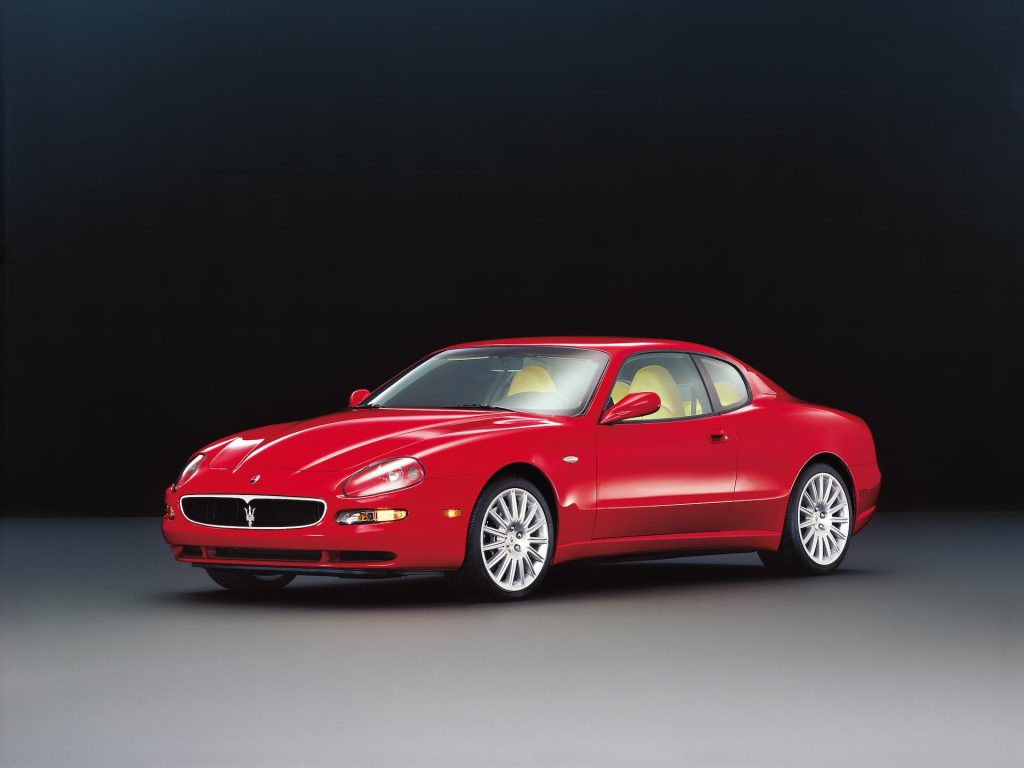
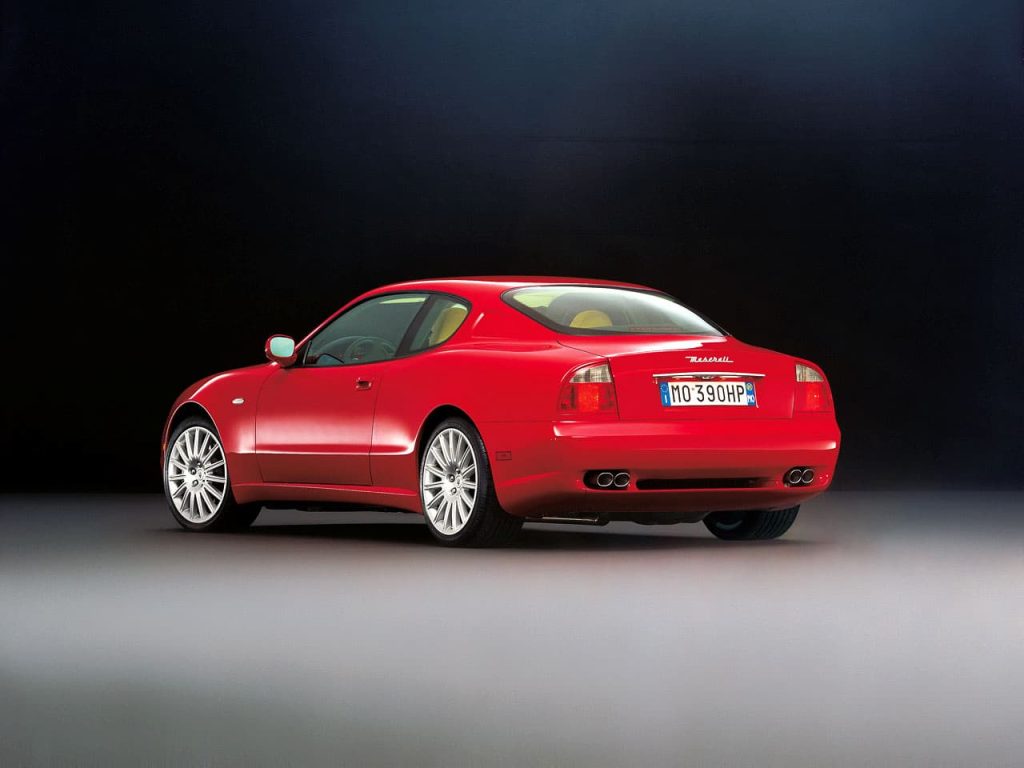
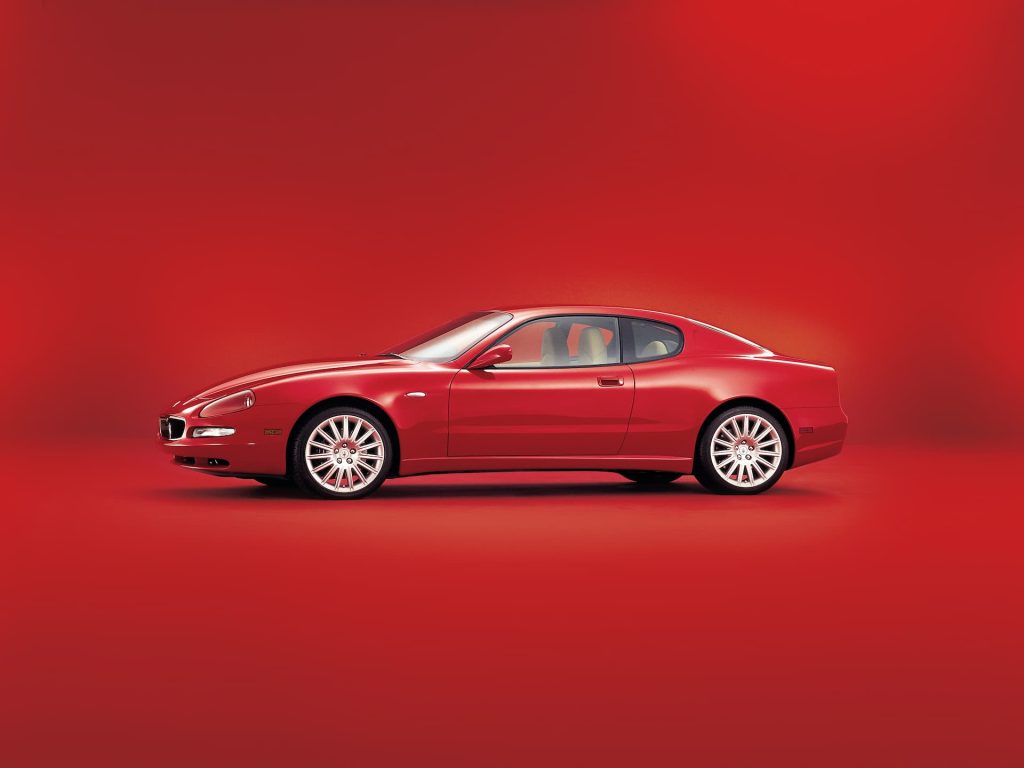
Prices across the Maserati 4200 range vary considerably, reflecting condition mileage provenance and specification. At the lower end of the market one can still encounter standard 4200GT coupes in fair condition for around £6k to £8k, an astonishingly accessible way into this rarefied world if you are prepared to commit to the necessary maintenance. Mid‑range, well‑sorted examples with good paperwork and sensible mileage trade in the £10,000 to £15,000 bracket, offering a compelling mix of performance and presence for those who understand what they are buying. The GranSport commands a premium for its enhanced dynamics and desirability; tidy UK or continental examples typically sit between £20,000 and £30,000, with low‑mile, impeccably maintained cars nudging higher.
In the end the Maserati 4200 and its GranSport incarnation are reminders that grand touring is about more than straight‑line speed or headline stats. It is about the way a car makes you feel on a long stretch of open road about the sound of its engine in a canyon turn and about the memories it helps forge whether you are German autobahns or British backroads. They are cars with soul and while they will always require respect and care that is exactly what separates them from the anonymous multitude. They invite involvement and reward it generously. And they remain, years after their introduction, Italian grand tourers in the purest sense.
Is there a better exotic bargain than the Maserati 4200? We’d love to hear your suggestions in the comments below!
Insure your classic with a specialist insurer
If you’re looking for cover for your pride and joy, why not consider Hagerty UK? Not only are we classic car insurance specialists, but we are enthusiasts at heart. Call us for a quote on 0333 323 1138.

Hmmm… I sold my ’82 Ferrari 308GTSi and bought three Maseratis: an ’05 4200 Spyder Cambiocorsa, an ’87 Biturbo-i Spyder 5-speed, and an ’06 4200 Gransport… Call me stupid all you want, but I love ’em all.
How serendipitous… I’ve been stalking a 2006 4200 Coupé for some months.. getting very close to getting serious about it – my 70th is fast approaching and this itch needs to be scratched. Good article – looking for a winter set of classic wheels so my S2000 (owned since new) can have a winter hibernation…..
I bought one last September: the later, more reliable facelift ’05 Coupé Cambiocorsa (just before the GranSport). It’s not the sharpest drive, but the appeal is the combo of a V8 coupé with four seats for weekends away with family/friends, a cocooning cabin, and a bit of madness when you put your foot down.
I paid £10k for a 75k‑mile, above‑average example (recent Ferrari Exeter services) and, crucially, a clutch under 30% wear – vital on these, as replacement can be £5k. Check ULEZ compliance (only from late Sept 2005) if relevant, and note that the expensive tax band M kicks in from late March 2006 registrations; mine sits in the sweet spot between.
Expect the odd electrical niggle, but the engine is reliable. They don’t like sitting unused, so garage it if you can and protect the subframe if you’ll use it in winter. Keep roughly half the purchase price aside for the first two years’ maintenance, accept averaging 15-20 mpg, and you won’t be disappointed.
I scratched the Maserati itch last November. I bought a Gransport and absolutely love it. A gentleman’s express!
Better than a 4200? Hmm……I’m tempted to say that the Granturismo S Auto is the next step up but then, I’m a little biased having bought one to replace my 308GTB and I absolutely love it.