Words and photos: Craig Cheetham
The appeal of Ducati’s Desmodromic valve system was far from an open and shut case
Mechanical sophistication and racing pedigree – words that make up the two core pillars of one of the most romantic names in biking history.
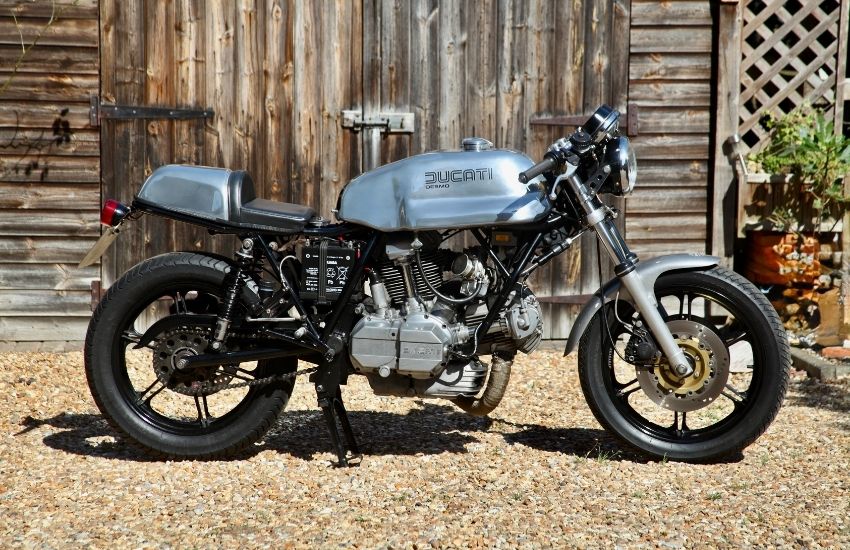
Along with timeless design, they define Ducati, and the arrival of the Italian brand’s Desmodromic valve system was a watershed moment in motorcycle engineering, delivering a blend of performance, innovation and Italian flair that captivated the world’s biking community in a unique way.
The ‘Desmo’ bikes, from their inception, quickly became icons, revered for their unique mechanical sophistication and racing pedigree. They were based on an idea honed for motorsport, led by Ducati chief engineer and motorcycle racer Fabio Taglioni.
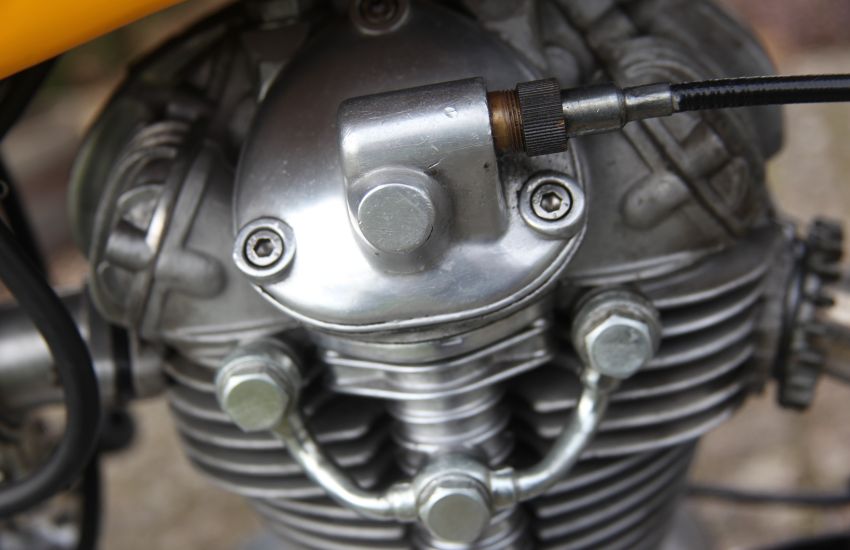
Desmodromic, or ‘Desmo’, refers to a valve system where both the opening and closing of the engine’s valves are mechanically controlled, eliminating the need for conventional valve springs. This allowed Ducati engines to rev higher, for longer, and more reliably, making them formidable both on the road and the racetrack.
The first Desmo bike, the 1956 125 Grand Prix racer, laid the foundation for a series of legendary road machines that would follow.
But it wasn’t an entirely new idea. The notion of desmodromic valve actuation was pioneered in the world of car racing – the Mercedes-Benz W196 Grand Prix car being the first-known application of the technology in 1954. The aim was similar to Ducati’s: to overcome the limitations of valve springs at high revs, thereby improving reliability and allowing engines to operate effectively at higher speeds.
But in cars, the technology was quickly superseded by advances in pneumatic valve actuation. In bikes, this wasn’t so simple, thanks to their higher speeds and compressions and smaller capacities, lending the Desmo much more credibility.
Road racers
By the time the 1970s broke cover, Ducati’s ‘Desmo’ technology had found its way into production motorcycles, most famously the iconic 750 Super Sport. With its distinctive L-twin engine and striking styling, the 750SS was as much a statement as it was a means of transport, offering around 72bhp and a top speed or around 135mph.
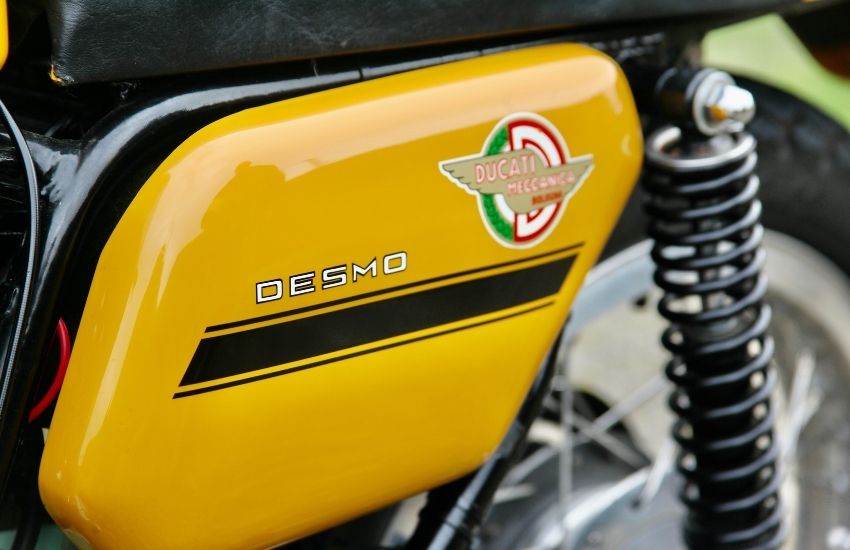
But what set the Desmo bikes apart was as much their character as it was their performance. The unmistakable bark of a Ducati twin, like a particularly yappy dog, the precise handling, and the hand-built feel made every ride an event, often offset by bold colours and an Italianate café-racer style that couldn’t be replicated elsewhere.
The 900SS of the late 1970s pushed the boundaries further, with more power, improved handling, and a cult following that continues to this day – it’s the crême-de-la-crême of Desmos; a bike spoken of in hushed tones by those in the know.
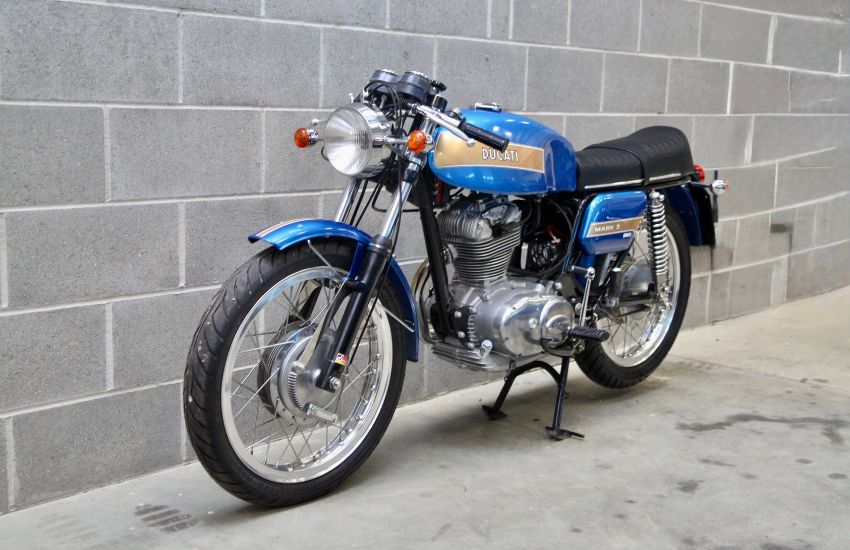
For those on a more realistic budget, beyond the legendary superbikes Ducati also developed a range of smaller-capacity Desmo models, such as the 250, 350, and 450 singles, which brought the sophisticated valve technology to a wider audience.
These bikes were engineered to retain the core Desmodromic valve functions (and sound) while being more accessible, both in terms of price and everyday usability. Their appeal was helped in no small part by their, aspirational, premium image and the fact you could buy them in the same bold colours.
Today, the Desmo singles are popular with enthusiasts, as opposed to the collectors who clamour to get their hands on the full-fat Desmo sports bikes.
Bringing things up to date
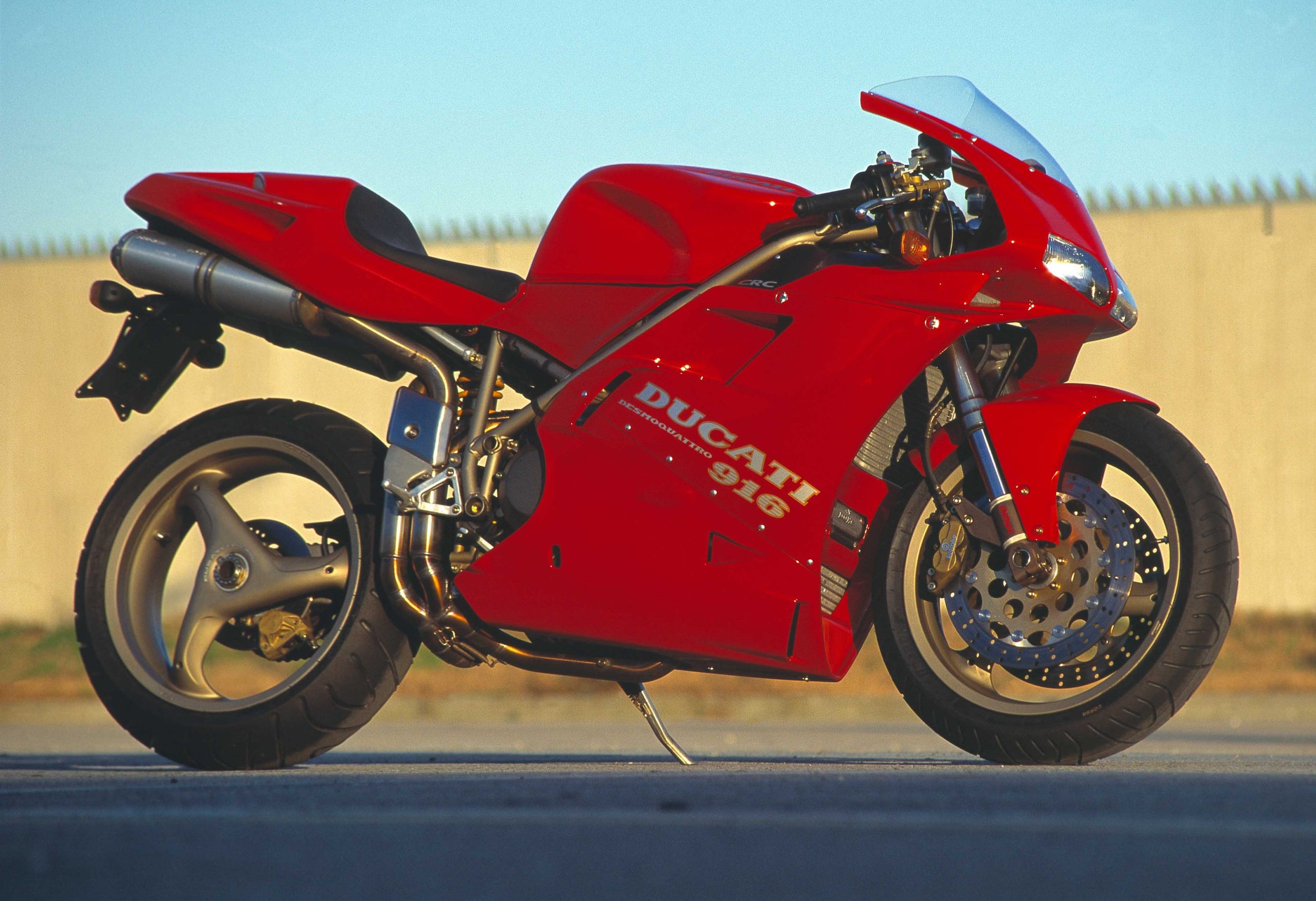
Ducati continued to evolve the Desmo concept through the 1980s and 1990s, introducing models such as the 851 and 888, which brought four-valve technology and fuel injection, and which became known as Desmoquattro.
They led Ducati into superbike territory, both on the road and on-track, with breathtaking performance, a unique sound and striking looks, eventually to be succeeded by the Panigale V4, which is a modern classic in its own right and defines what Ducati stands for today.
How much is a Desmo right now?
Today, classic Ducati Desmos are keenly sought-after. Early 750SS and 900SS models, especially those with racing pedigree, command premium prices, often exceeding £40,000 for well-preserved examples.
Even the more mainstream models, such as the 851 and 888, have appreciated significantly, with tidy examples fetching £15,000 to £25,000.
But the good news is that you can experience that heady combination of soul, engineering brilliance, pedigree and Italian design artistry for less, should you opt for one of the more ordinary models.
Desmo singles, while not as expensive as the halo superbikes, have seen a steady rise in value in recent years, but not to the extent of being unaffordable.
Well-restored examples of the 250, 350, and 450 Desmo singles range from £7,000 to £18,000, depending on condition, originality, and provenance, though concours bikes or those with interesting history may fetch even more at auction.
Generally, though, the baby Desmos are a realistic and attainable way of getting into classic Ducati ownership, offering authentic Desmodromic engineering without the superbike price tag.
What’s your take on Ducati’s Desmodromic legacy? Drop your thoughts below.
Read more:
Ducati 350 Scrambler
Ducati 916: A Bike Even Die-Hard Car Fans Want to Own
The 916 Changed Ducati’s Trajectory Forever






All Ducatis from the Desmo era are true classics. The desmo valvegear is a mere detail. The models concerned weren’t available without it, so the question about any individual bike is only as to its condition, just like any other bike.