Words and pictures: Nathan Chadwick
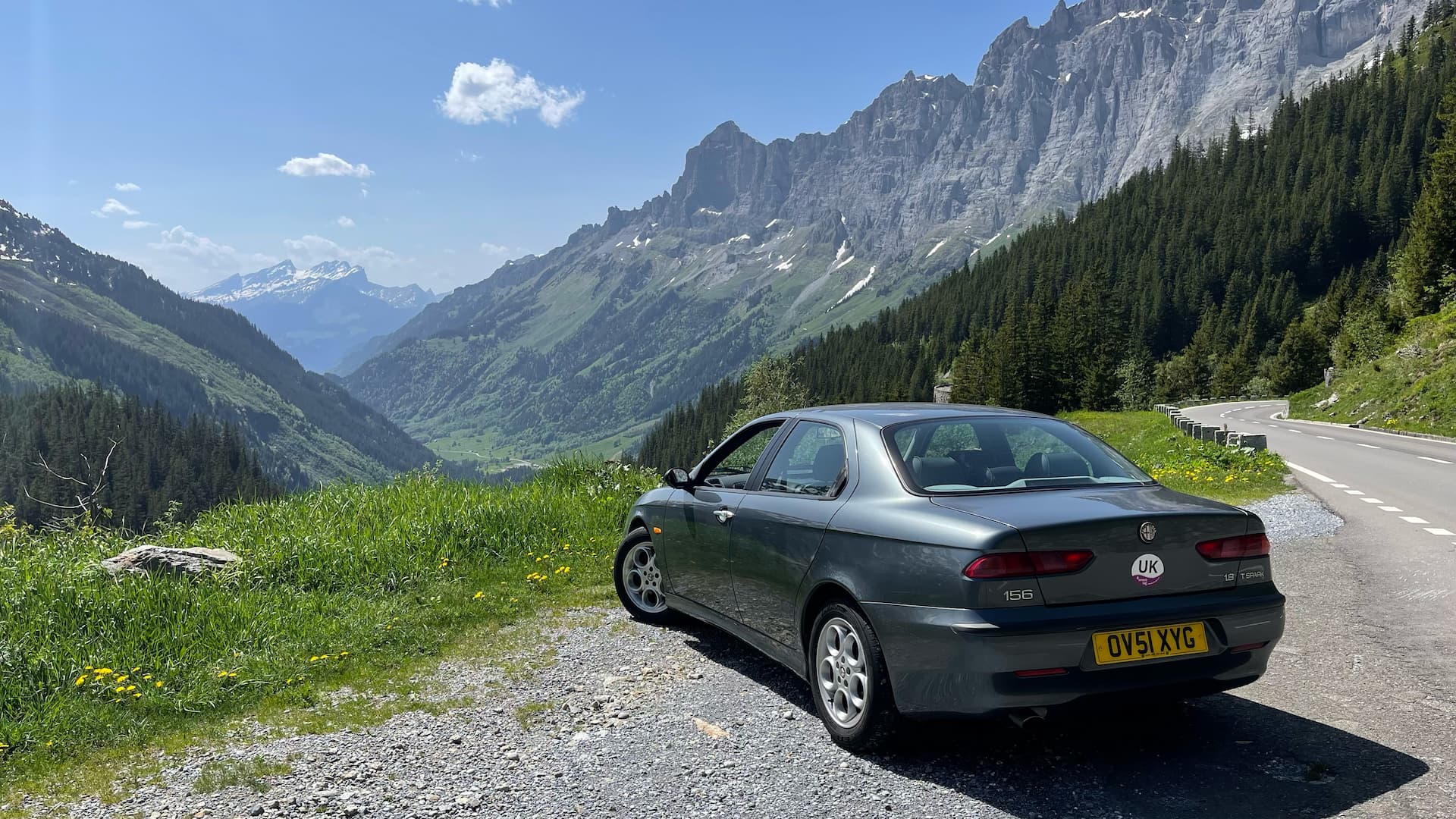
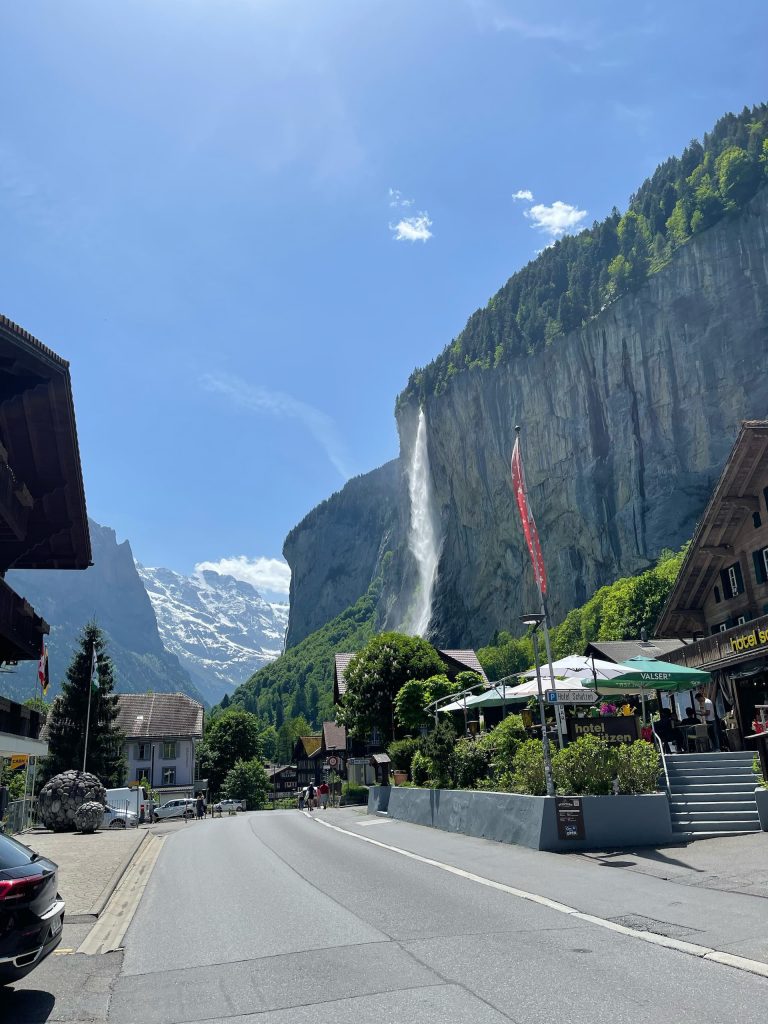
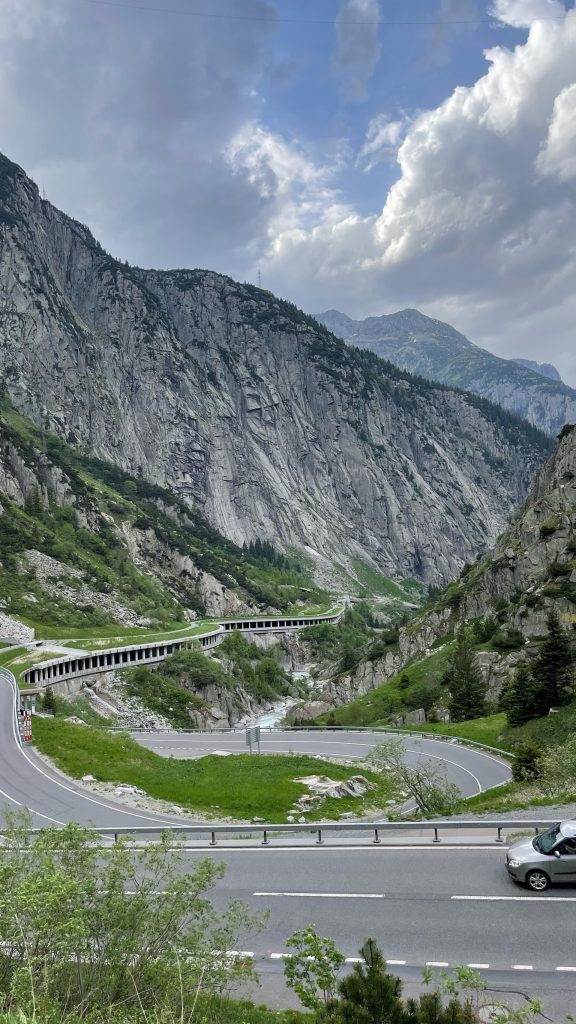
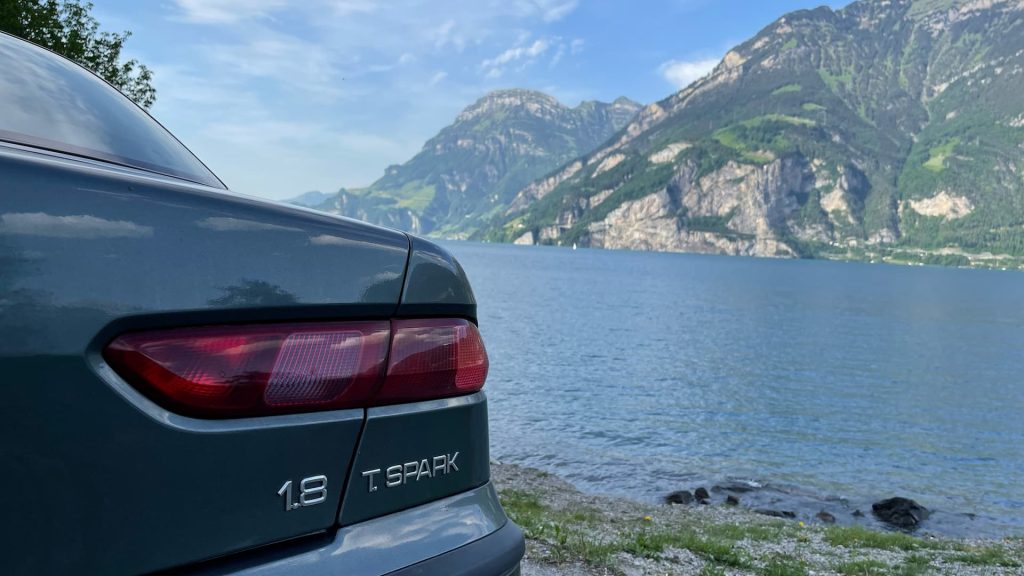
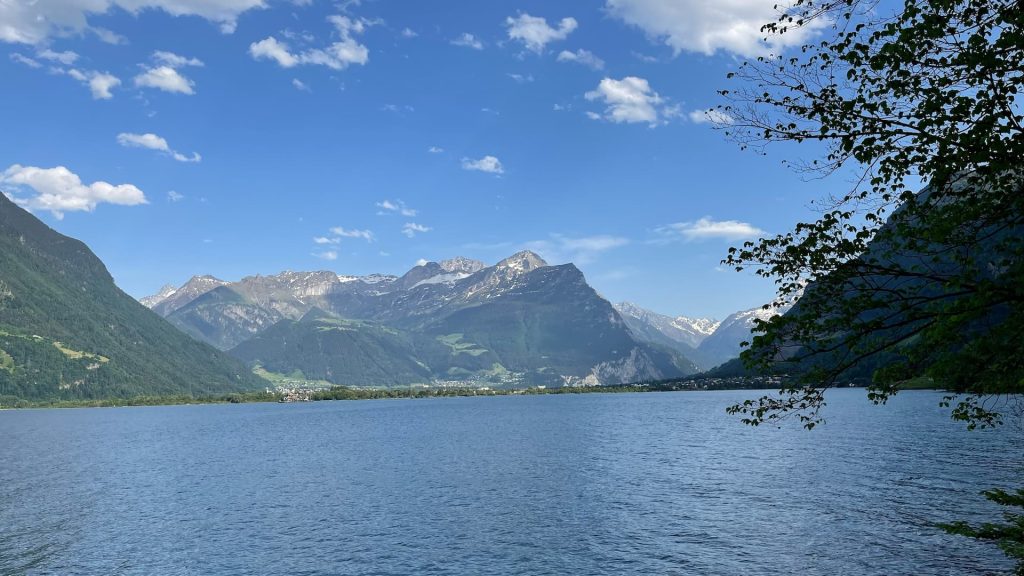
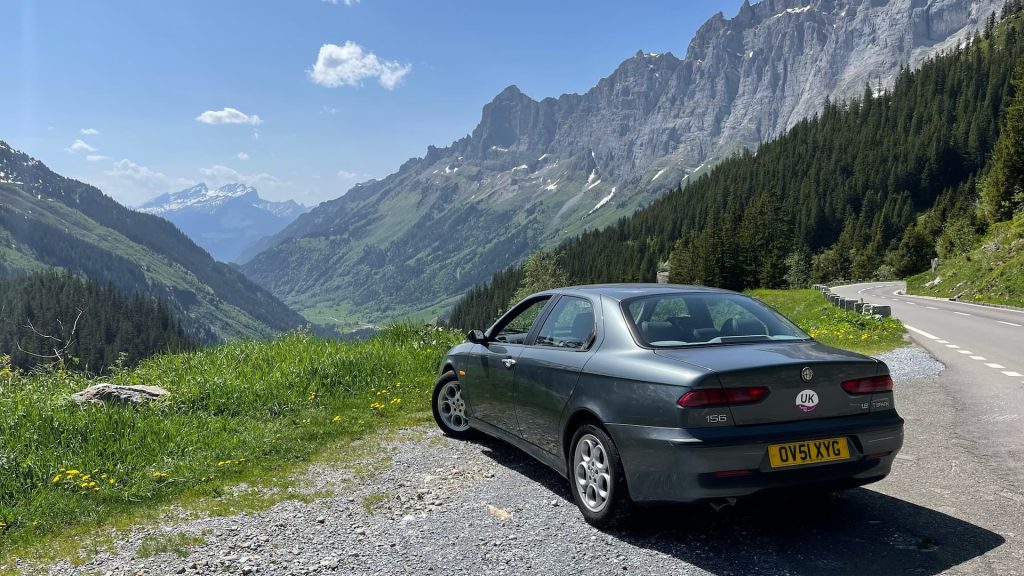
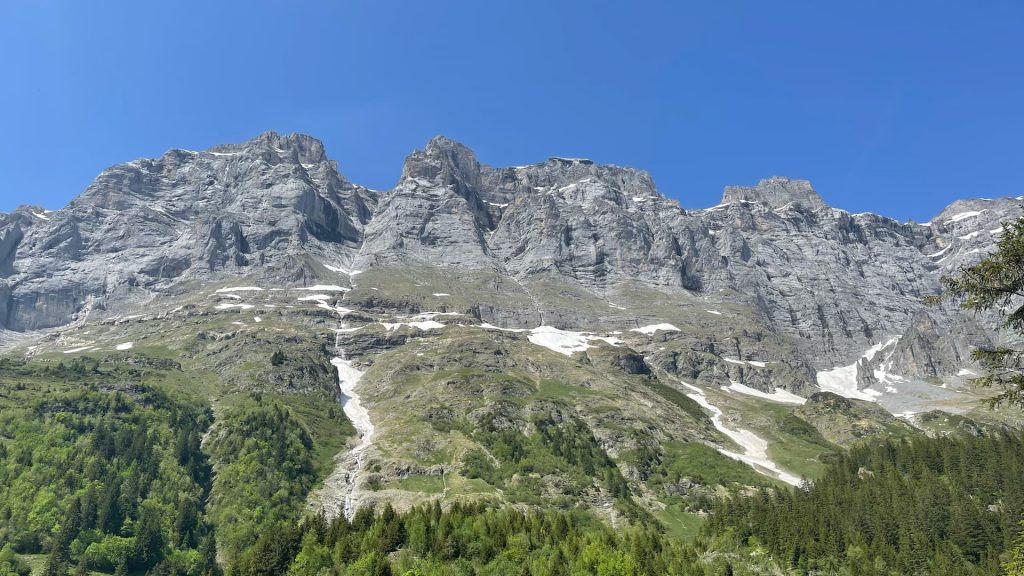
Driving a classic car through Switzerland is one of Europe’s great motoring pleasures. Alpine passes, immaculate roads and postcard scenery seem tailor-made for older machinery with character and mechanical feel.
Yet Switzerland is also one of the strictest countries on the continent when it comes to traffic enforcement, parking discipline and environmental compliance. Fines are consistently enforced, cameras are everywhere and ignorance of the rules is never a defence. For classic-car tourists, understanding how the Swiss system works before you cross the border is essential if your dream drive is not to end with a painful bill weeks later.
The first thing to grasp is that Switzerland treats road laws as a matter of public order rather than guidance. Speed limits, parking restrictions and access rules are enforced uniformly across cantons, and foreign-registered vehicles are pursued just as rigorously as Swiss ones. If you are stopped at the roadside you may be required to pay fines immediately, and if you are caught by camera the authorities will track you down via international agreements. Classic cars do not enjoy any automatic exemptions from traffic law, and while they are welcomed culturally, they are expected to comply fully.
Parking is one of the most common sources of fines for visitors. Swiss towns and cities are meticulously organised, and parking rules are clearly signed but unforgiving. Blue-marked parking zones are widespread and operate using the distinctive blue parking disc, which is mandatory equipment in Switzerland. When parking in a blue zone you must display the disc set to the next half hour after your arrival, and you may stay only for the time indicated on nearby signs, often one hour during weekdays. Forgetting the disc, setting it incorrectly or overstaying even slightly can result in a fine. For classic car tourists, carrying a Swiss-approved parking disc in the glovebox is non-negotiable. You can pick up a parking sic from petrol stations, police stations, tourist offices and car accessory shops. From Saturday 7pm to Monday 8am parking in blue zones is free.
White parking bays usually indicate paid parking, either via machines or mobile apps, while yellow markings are strictly reserved for authorised vehicles such as residents, deliveries or emergency services. Parking on yellow markings is almost guaranteed to attract a ticket or a tow. Red and white diagonal markings indicate areas where parking is prohibited altogether. Unlike in some countries, Swiss enforcement officers are diligent and fast, particularly in tourist areas and city centres.
Historic town centres can be particularly tricky. While Switzerland does not have the same permanent low-emission zones as some EU countries, access restrictions do exist, especially during pollution alerts or special traffic control periods. Geneva operates the Stick’AIR system, which activates during high pollution events. During these periods, vehicles must display the correct Stick’AIR sticker to enter the restricted zone. Foreign vehicles are included, and fines can reach around CHF 500 for non-compliance. Importantly for classic car owners, some older vehicles may fall into permitted categories, but only if the correct sticker is displayed. A French Crit’Air sticker is recognised in Geneva, but the Swiss Stick’AIR is not recognised in France, so planning ahead is essential if your tour crosses borders.
Outside of pollution alerts, Switzerland does not generally restrict classic cars from urban areas, but temporary restrictions can be imposed with little notice. Checking local canton websites or tourist information before entering major cities is wise, especially if you are driving a high-profile classic that will attract attention.
Speed enforcement is where Switzerland is most feared. Speed limits are relatively low by European standards, and tolerance margins are minimal. Motorways are typically limited to 120km/h, main roads to 80km/h and urban areas to 50km/h unless otherwise posted. Cameras are everywhere, including hidden mobile units and average speed zones. Fines escalate rapidly, and excessive speeding can result in immediate licence confiscation, vehicle seizure or even prison sentences in extreme cases. These rules apply regardless of nationality, and classic cars are not treated leniently simply because of age or value.
One crucial difference compared with many countries is that Swiss fines are sometimes income-based for serious offences, meaning high earners can face dramatically larger penalties. While this usually applies to residents, foreign drivers involved in major offences may still face severe financial consequences. The safest approach is to treat posted limits as absolute and enjoy Switzerland for its scenery rather than speed.
Road charging in Switzerland is refreshingly simple but easy to get wrong. There are no traditional motorway toll booths. Instead, Switzerland uses a motorway vignette system. Any vehicle using Swiss motorways must display a valid vignette, which costs CHF40 and is valid for the calendar year. This applies equally to classic cars, modern vehicles and foreign registrations. The vignette must be purchased before entering the motorway network and must be affixed correctly to the windscreen. Failure to display a vignette can result in a fine of around CHF 200 plus the cost of the vignette itself.
For classic cars with split windscreens or unusual glazing, placement should be carefully considered but still visible. Loose or improperly mounted vignettes are not accepted. Switzerland has begun introducing a digital vignette linked to licence plates, but physical stickers remain common and widely accepted. If you are renting a car within Switzerland the vignette will usually already be fitted, but if you enter from abroad you must buy one at the border, fuel stations near crossings or online in advance.
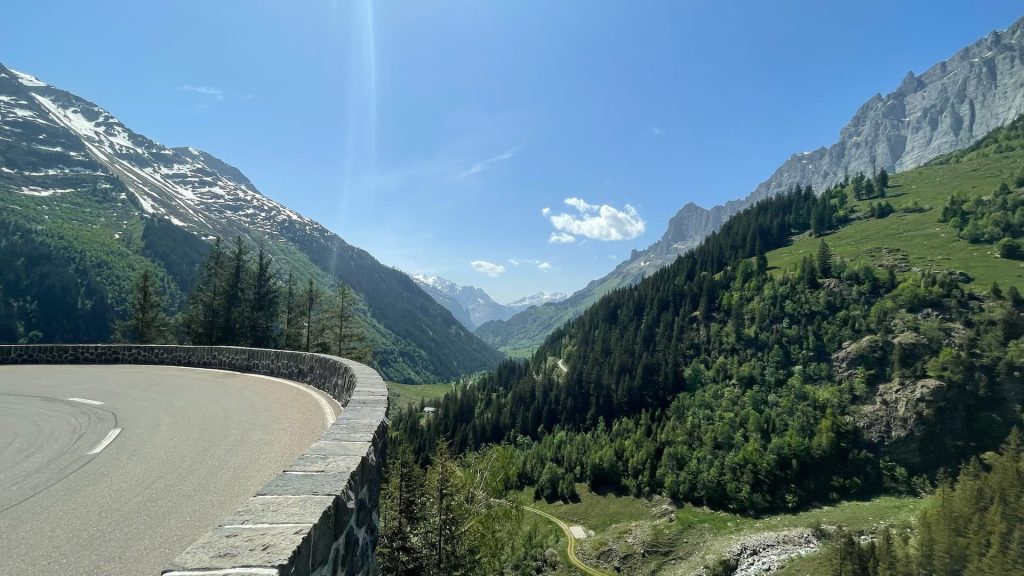
Mountain passes are generally toll-free, which is one of the joys of Swiss driving, but some tunnels and special routes do charge separate fees. The Great St Bernard Tunnel and the Munt la Schera Tunnel are notable examples. These are paid on the spot by card or cash, and signage is clear. Failing to pay is not possible as barriers are in place, but delays can occur in peak tourist seasons so planning timing is helpful.
Fines in Switzerland can be issued on the spot or sent later by post. Parking tickets are often placed on the windscreen and can usually be paid online, by bank transfer or at post offices. Traffic offences detected by camera will result in paperwork being sent to the registered keeper, which for tourists may arrive weeks later.
For classic car tourists, preparation is the key to stress-free Swiss driving. Carry a blue parking disc, ensure your motorway vignette is valid and correctly displayed, check whether pollution alert schemes like Stick’AIR are active and obey speed limits religiously. After all, Switzerland rewards careful drivers with some of the finest roads in the world.
Can you think of other European countries with amazing driving routes you’d like us to cover? Let us know in the comments below.
Insure your classic with a specialist insurer
If you’re looking for cover for your pride and joy, why not consider Hagerty UK? Not only are we classic car insurance specialists, but we are enthusiasts at heart. Call us for a quote on 0333 323 1138.