Words: Nathan Chadwick
Photography: Alpina/BMW
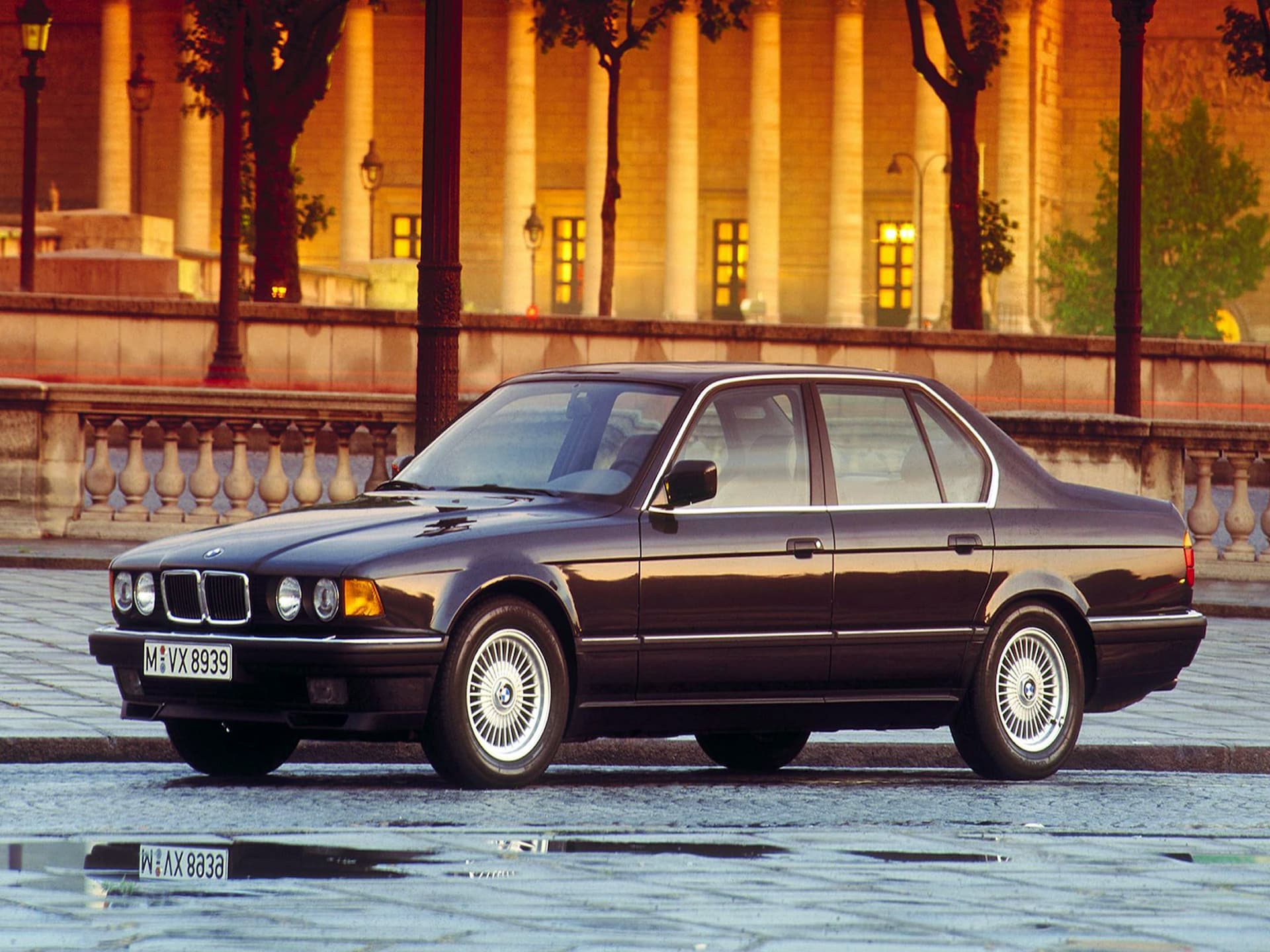
In 1986, BMW dropped the E32 7 Series into the luxury saloon market and quietly blew everyone’s expectations out of the water. This wasn’t just a replacement for the E23; it was a full‑on declaration that Munich could go toe‑to‑toe with Stuttgart.
Its development was not just about replacing a successful model; it was about leap‑frogging established rivals, chief among them Mercedes‑Benz’s W126 S‑Class. Engineers designed the chassis to carry everything from sensible six‑cylinders to the pièce de résistance — a V12 — without breaking a sweat. BMW wanted a car that would impress boardroom executives, ferry heads of state, and still feel alive behind the wheel. They succeeded.
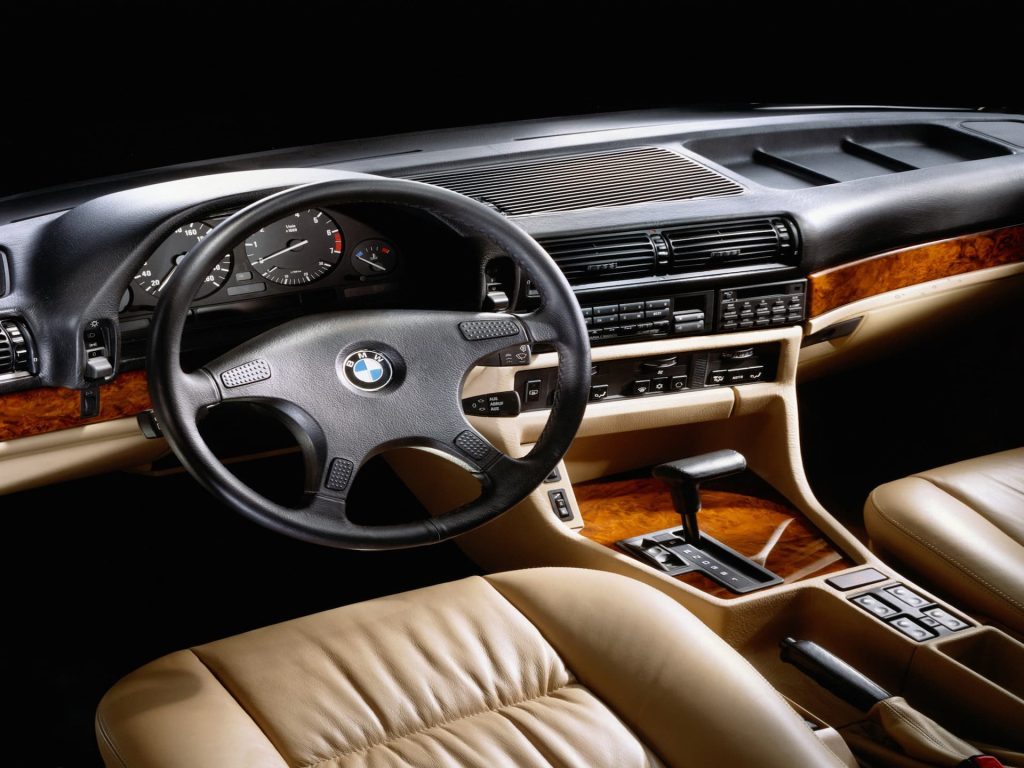
The E32 looked purposeful without shouting. Sleek, squared-off lines courtesy of a design team led by Ercole Spada of Zagato fame gave it presence, while the kidney grille and Hofmeister kink became instantly recognisable. With a fresh platform and technologically ambitious targets, BMW’s engineers embarked on a mission to combine comfort, performance and cutting‑edge systems in a single package. The car was envisioned as a car of firsts — and it delivered. Inside, it was a showcase for late‑80s tech: ABS, traction control, xenon headlights, even dual‑zone climate and more besides. BMW made it clear: this was a luxury saloon, but one that drove like a BMW. The steering was precise, the suspension balanced, and despite its bulk, it could tackle twisty roads with composure.
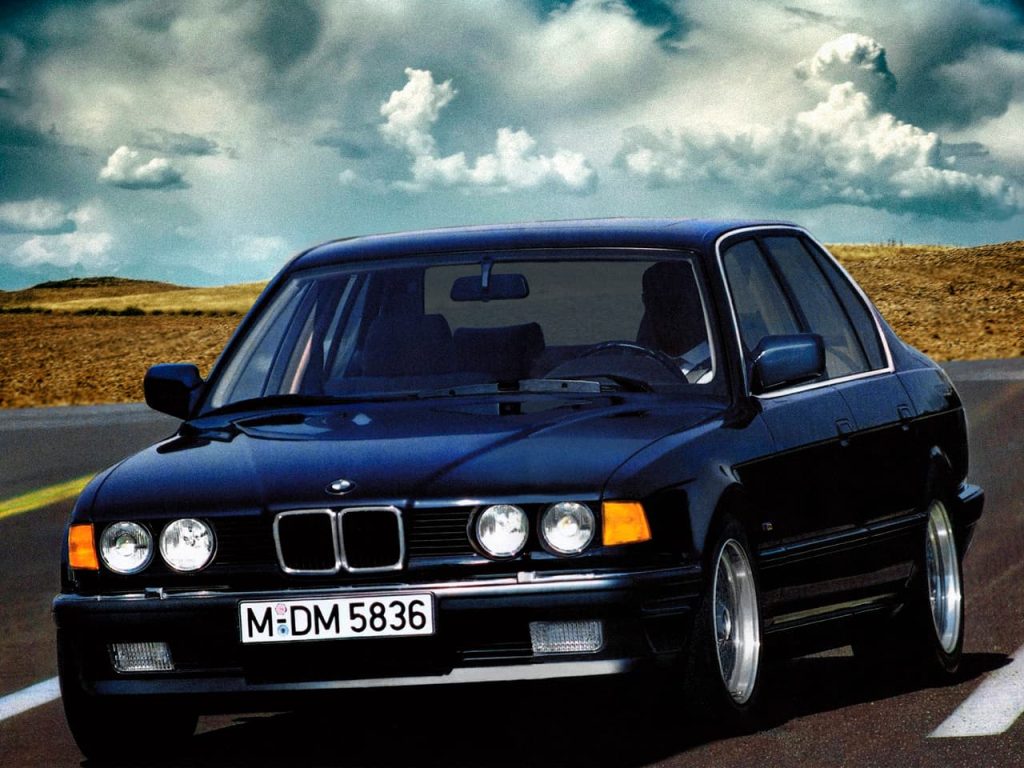
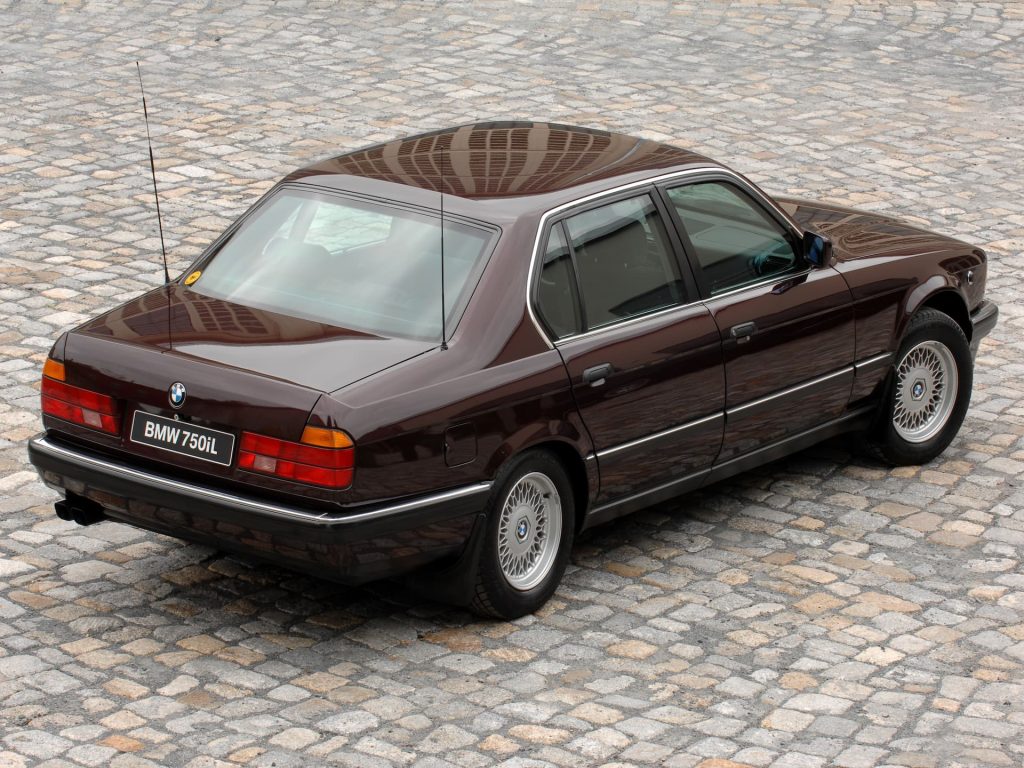
At launch in 1986, the entry point was the 730i, powered by a 3.0‑litre M30 straight‑six producing around 185 bhp. It was smooth, torquey, and ideal for those who wanted the 7 Series presence without the V12’s thirst or insurance premiums. For those craving more punch, the 735i offered a 3.5‑litre straight‑six with about 208 bhp, giving brisk motorway overtaking and a more satisfying sense of momentum.
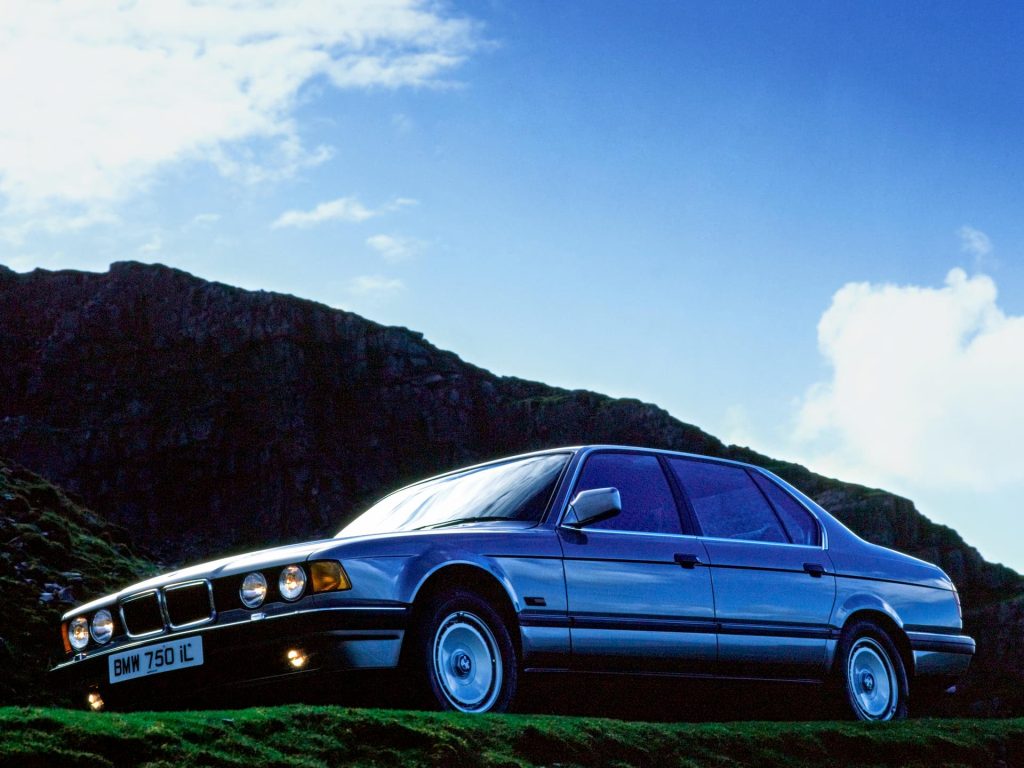
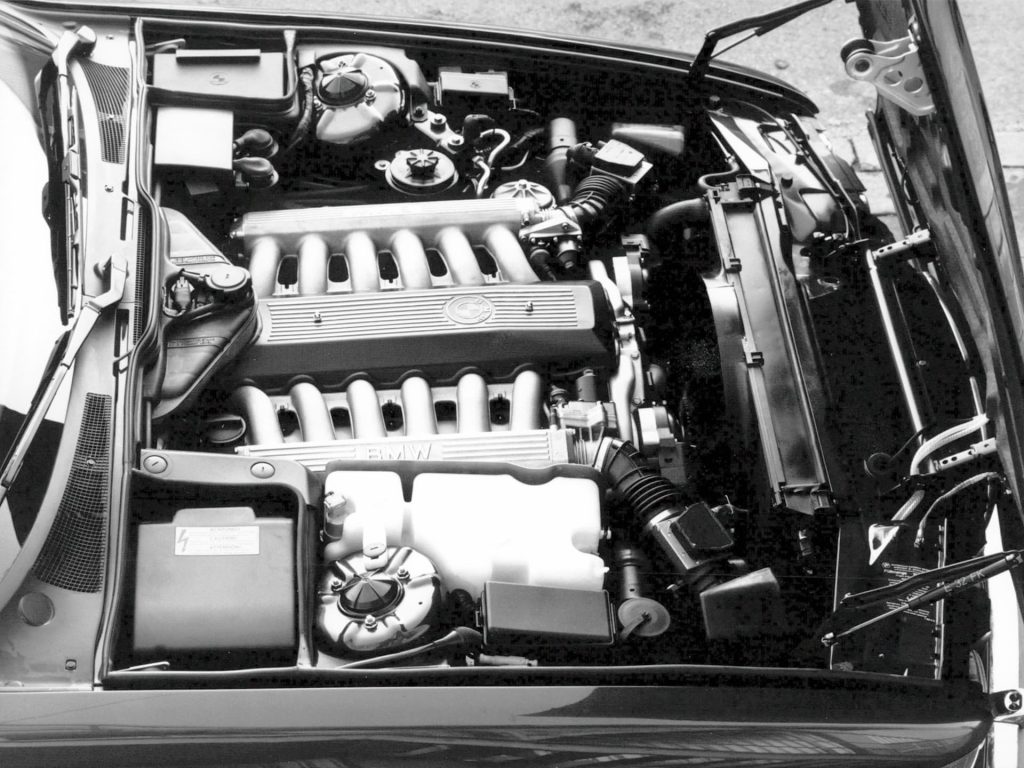
Then came the V12 — the crown jewel. The 750i and 750iL weren’t just fast; they were the first post‑war German saloon V12s, a bold engineering statement. The M70 5.0‑litre engine delivered 300bhp and 332 lb‑ft of torque, enough to send the long-wheelbase 7 Series from 0‑62 mph in under eight seconds. Turbo lag? None here. It was smooth, effortless and utterly refined. The car could cruise at autobahn speeds all day without fuss, yet still respond eagerly to driver input. And with the suspension and brakes tuned for the extra heft, it handled like a proper BMW, not a lumbering luxury brick; it really was a surprisingly nimble grand tourer for a vehicle of this size. Contemporary acclaim for the 750iL’s dynamics and engineering breadth highlighted just how accomplished it was in context — at a time when large luxury saloons were seldom associated with such balanced performance.
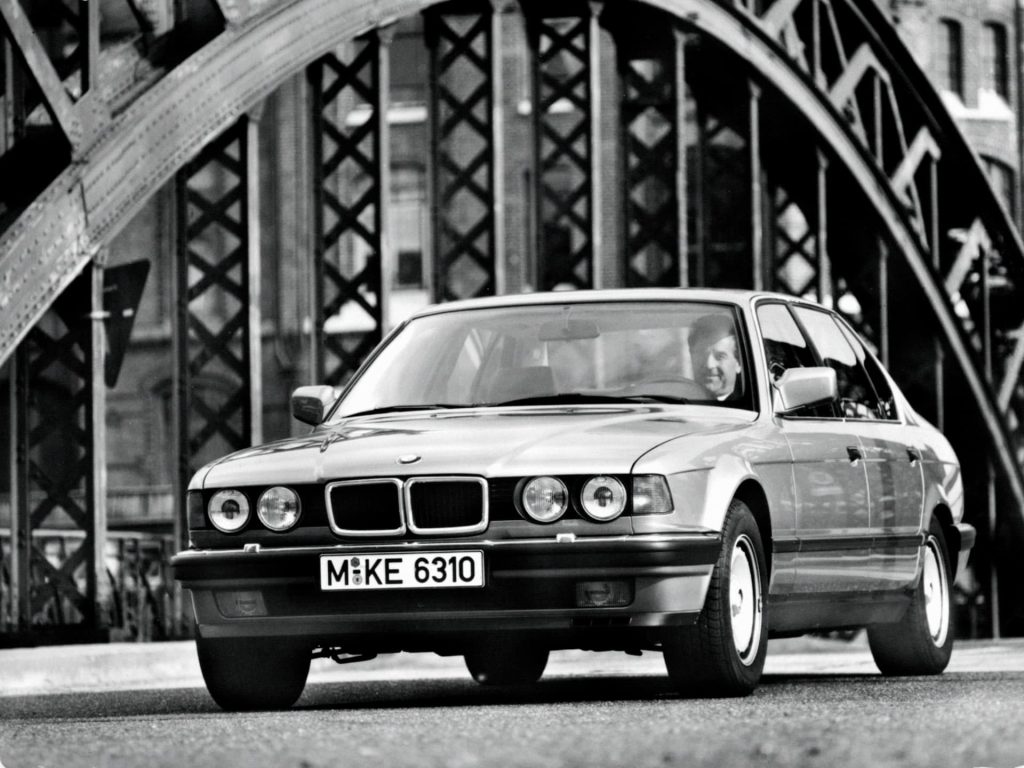
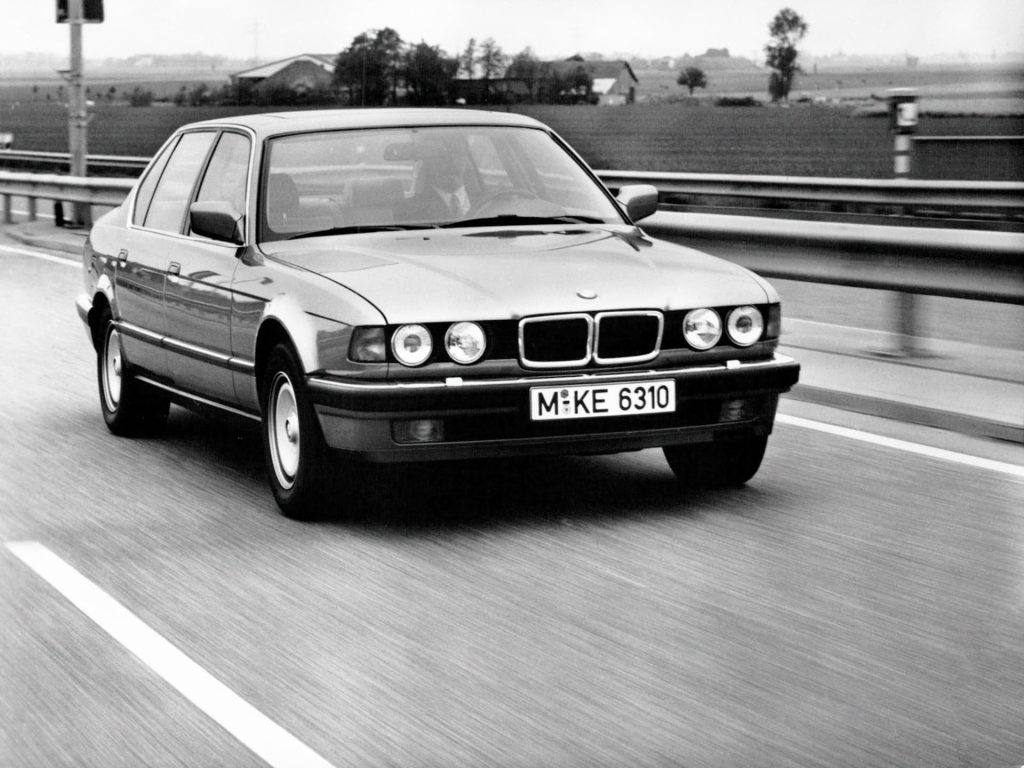
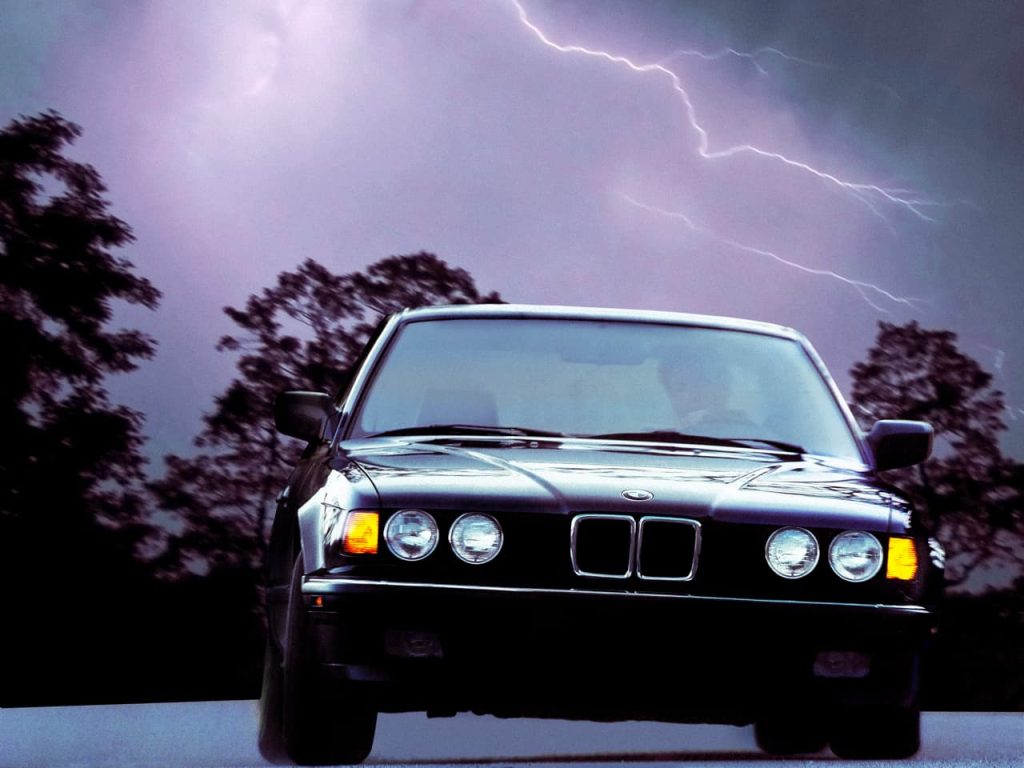
The E32 also saw the introduction of the first BMW V8 since the 1960s. The new M60 V8, also introduced in the E34 5-Series, was available in 3.0-litre (730i) and 4.0-litre (740i) forms, with the latter electrically limited to 149mph thanks to 282bhp. This was the sweet spot for buyers seeking a powerful yet refined motorway cruiser without stepping all the way up to the V12. The 740i also benefitted from chassis and suspension tweaks, allowing it to handle the extra weight with poise.
With the E32 now firmly in classic territory, hunting a good 750i or 750iL requires attention to detail and an understanding of where value lies. Prices for E32 V12s remain eminently sensible for a classic luxury barge with genuine performance. According to recent valuation data, average condition 750i examples have a median price near about £12,400, with well‑presented cars reaching closer to the high teens in pounds.
Rust and chassis condition are fundamental checks. While the E32’s galvanised steel structure was good for its day, corrosion still affects sills, wheelarches and suspension mounting points in cars that spent their lives in damp climates or without proper preservation. A thorough underbody inspection should be a buying prerequisite.
Electronic and electrical systems — a hallmark of the E32 — are also a common headache if neglected. With age, sensors, switches and control units can fail, so ensure that lights, climate control, advanced suspension systems and dashboard electrics are all working. A detailed service record is a significant plus here.
On mechanicals, the V12’s cooling and oil system deserves scrutiny. Look for evidence of regular oil and coolant changes, radiator and hose health, and a service history that shows timing chain and other major items addressed at appropriate intervals. The drivetrain’s smooth torque delivery hides complexity beneath, and a well‑maintained example is a joy to use; an ignored one can be expensive to bring back to standard.
Automatic transmissions in E32s can be expensive to rebuild if neglected, so check for smooth gear changes, absence of slip, and ensure fluid changes have been done at regular intervals. Suspension bushes and self‑levelling systems (if equipped) are also check‑points — worn components can spoil the ride quality this generation was famous for.
Prices reflect rarity but remain sensible. A project or average condition car sits around £6k to £10k, while a well-maintained example will cost £12k to £18k. Exceptional, fully documented cars creep higher, and keep an eye out for rare armoured variants for ultimate RADwood pose.
Whatever E32 you buy, it’s a truly special experience – a manual six cylinder E32 can be a joy; a little bit ridiculous but all the better for it.
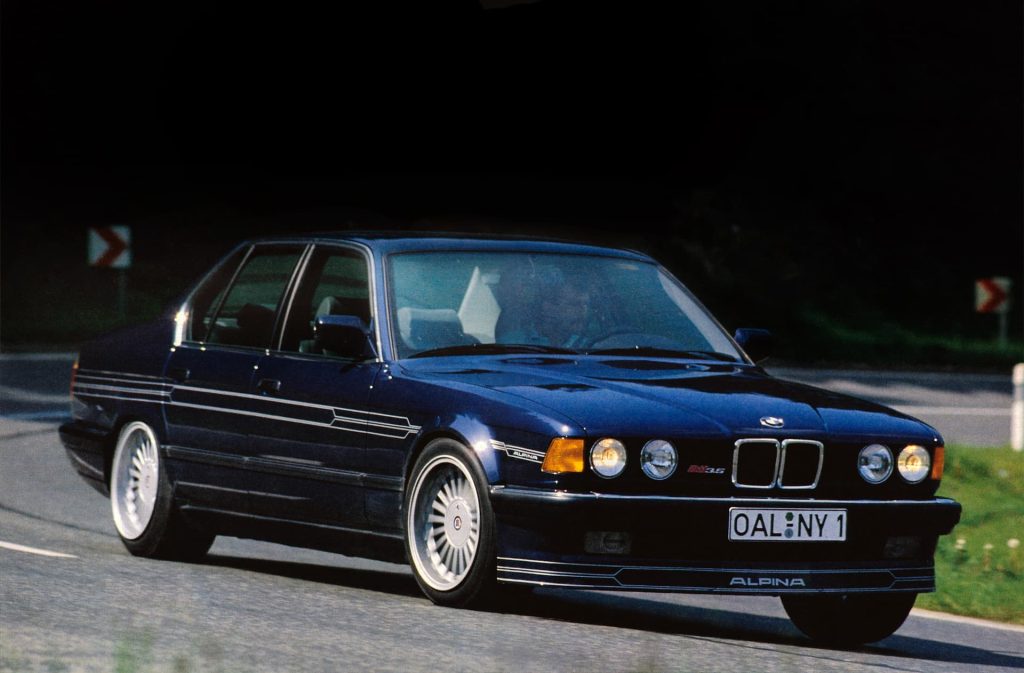
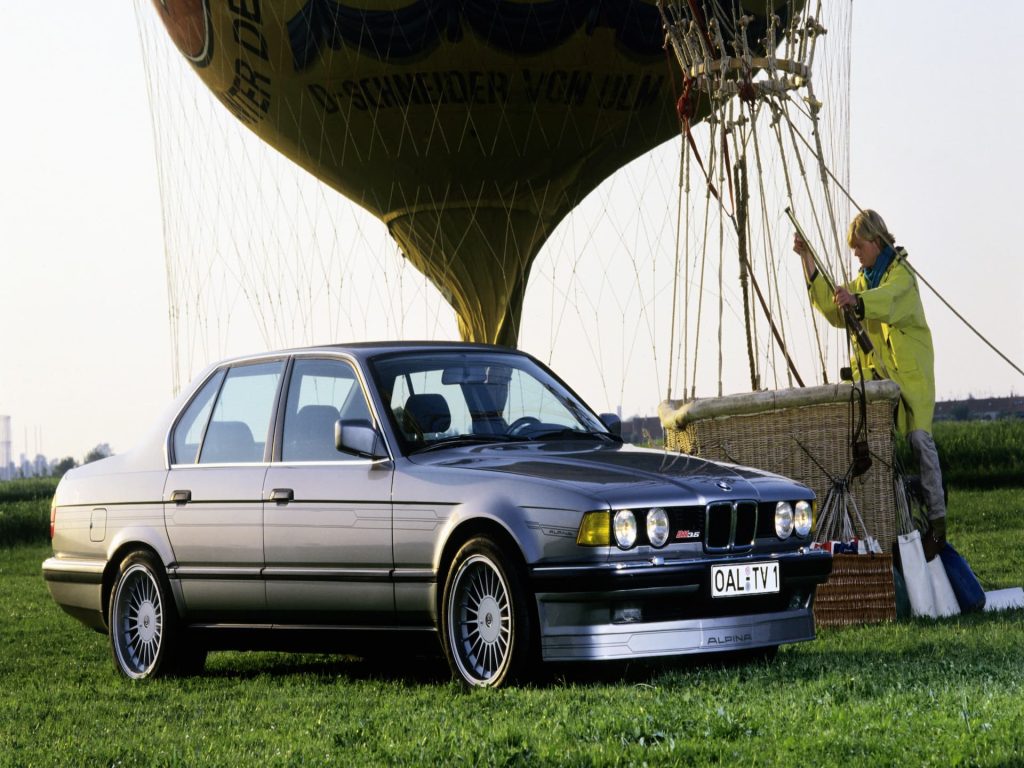
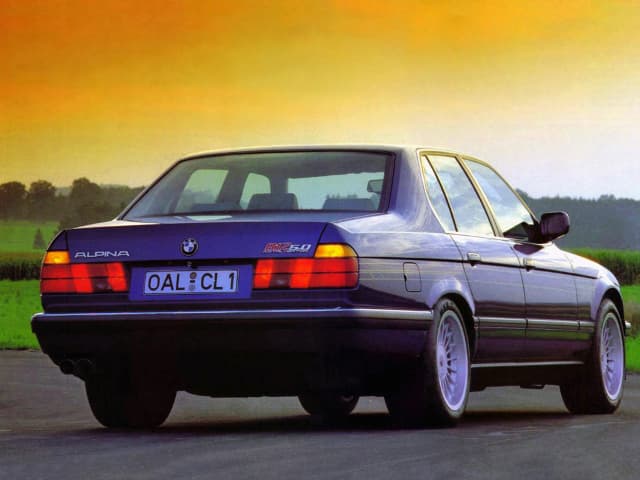
Looking for something very rare? Why not seek out one of the three Alpina variants. The B11 3.5 was based on the E32 735i and launched in 1987, powered by a straight-six engine producing 251bhp. Between 1987 and 1993, 332 examples were built. The B11 4.0, derived from the 740i, featured a modified engine making 311 bhp and 302 lb ft of torque, a significant step up from the standard 740i’s 282 bhp, but only seven were made between 1993 and 1994. At the top of the range, the Alpina B12 5.0, based on the 750i/750iL, used a modified V12 producing 345 bhp and 347 lb ft, compared with the standard 295 bhp, and a total of 305 were produced.
However, the beauty of the E32, the V12 model in particular, isn’t just in numbers; it’s the experience. You get refined, effortless speed, a cockpit dripping with late‑80s tech, and a car that still has presence and poise. Understated, well-engineered and totally rewarding — it’s an old-school German flagship done right.
Insure your classic with a specialist insurer
If you’re looking for cover for your pride and joy, why not consider Hagerty UK? Not only are we classic car insurance specialists, but we are enthusiasts at heart. Call us for a quote on 0333 323 1138.